
 ES

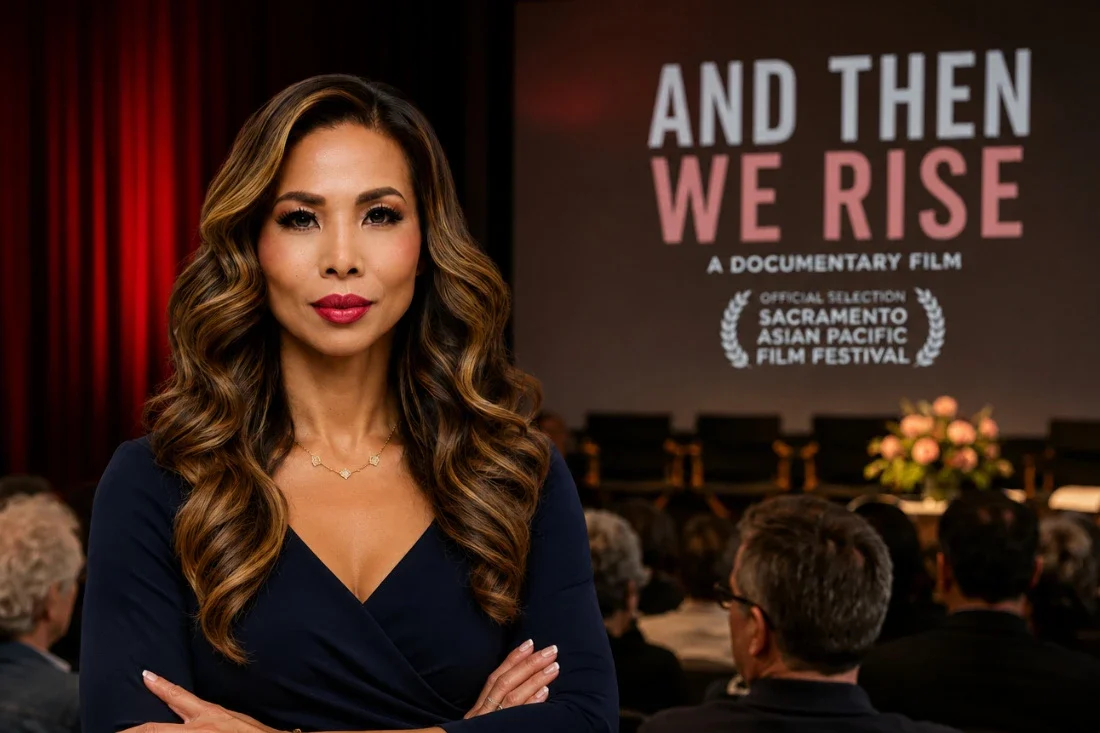
The Power of Storytelling and Survivor Voices
Stories have the ability to educate, inspire, and create change in ways that statistics and headlines often cannot. For survivors of trauma and abuse, storytelling can also become part of the healing process, helping others feel seen, understood, and less alone in their experiences.
That message was recently brought to audiences through the documentary film “And Then We Rise,” which premiered at the Sacramento Asian Pacific Film Festival. The film focuses on survival, healing, advocacy, and resilience, while highlighting the experiences of women who transformed deeply personal trauma into community impact and public advocacy. (comstocksmag.com)
According to Comstock’s Magazine, Anh Phoong served as a producer on the project, supporting a film centered on survivor voices and the importance of creating spaces where healing conversations can take place openly and honestly. (comstocksmag.com)
While many people recognize Anh Phoong through her work as an attorney and founder of Phoong Law, projects like this reflect another important part of community leadership: using visibility and resources to support advocacy, awareness, and meaningful conversations around difficult issues.
Advocacy Beyond the Courtroom
For many survivors, one of the hardest parts of trauma is feeling unheard or isolated. Fear, shame, and uncertainty often prevent people from sharing their experiences or seeking support. Advocacy efforts that encourage open dialogue can play an important role in helping survivors recognize they are not alone.
The documentary “And Then We Rise” explores these themes through personal stories of resilience and recovery. Rather than focusing solely on trauma itself, the film emphasizes healing, empowerment, and the ability to move forward even after deeply painful experiences. (comstocksmag.com)
Community conversations surrounding trauma and abuse have evolved significantly over the past decade. More organizations, educators, advocates, and legal professionals now recognize the importance of survivor-centered support systems that prioritize compassion, dignity, and long-term healing.
That work often extends beyond legal advocacy alone. It includes education, awareness, mental health support, nonprofit involvement, and public storytelling efforts that help reduce stigma surrounding trauma.
Projects like “And Then We Rise” contribute to those broader conversations by creating space for experiences that are often difficult to discuss publicly.
Why Representation and Visibility Matter
Representation matters in advocacy work because many survivors struggle to see themselves reflected in public conversations. When stories are shared authentically and responsibly, they can help others feel acknowledged and understood.
Film and documentary storytelling can be especially powerful because they combine emotion, lived experience, and education in ways that resonate deeply with audiences. A documentary may reach people who would never otherwise attend a seminar, seek counseling, or engage in formal advocacy programs.
The Sacramento Asian Pacific Film Festival provided an especially meaningful setting for the premiere because the festival celebrates diverse voices and stories from communities that are sometimes underrepresented in mainstream media. (comstocksmag.com)
By supporting projects like this, community leaders can help encourage greater awareness and understanding around issues that affect real people and families every day.
Advocacy does not always happen in a courtroom or through legislation. Sometimes it begins with listening. Sometimes it begins with storytelling. And sometimes it begins with creating opportunities for survivors to reclaim their voices.
Community Leadership Through Action
Throughout California, many nonprofits, community organizations, and advocates work quietly behind the scenes to support survivors of abuse, violence, and trauma. Their work often includes crisis support, counseling resources, housing assistance, education, legal advocacy, and community outreach.
Public support for these efforts matters because awareness helps strengthen the networks that survivors rely on during some of the most difficult moments of their lives.
According to the Comstock’s article, the documentary’s participants emphasized the importance of speaking openly about survival and recovery rather than remaining silent about painful experiences.
That message reflects a broader cultural shift toward encouraging empathy, support, and survivor-centered advocacy. Increasingly, communities are recognizing that healing often requires not only personal strength, but also collective understanding and support.
For organizations and leaders involved in community advocacy, supporting these conversations can help reduce stigma while encouraging more people to seek help when they need it.
Storytelling Can Help Create Change
Documentary films have historically played an important role in bringing attention to social issues that may otherwise receive limited visibility. They help audiences connect emotionally with real experiences while encouraging deeper understanding around complex topics.
In the case of “And Then We Rise,” the focus is not simply on recounting trauma, but on resilience, survival, healing, and transformation.
That distinction matters because survivor-centered storytelling should never exploit pain for attention. Instead, it should create dignity, empowerment, and understanding.
When advocacy projects are approached thoughtfully, they can encourage conversations that lead to meaningful change within families, schools, workplaces, and communities.
Awareness alone may not solve systemic problems, but awareness is often where change begins.
Supporting Conversations That Matter
As conversations around trauma, abuse, and mental health continue evolving, community support and responsible advocacy remain essential. Public awareness projects, educational initiatives, and survivor-centered storytelling all contribute to creating safer and more supportive communities.
The involvement of legal professionals, nonprofit leaders, educators, filmmakers, and advocates in these conversations demonstrates how community collaboration can help amplify important voices and experiences.
For Anh Phoong, supporting a documentary centered on healing and advocacy reflects a broader commitment to community involvement and supporting initiatives that help people feel heard and supported.
At its core, advocacy is about helping people move forward. Whether through community service, mentorship, legal support, or storytelling, the goal remains the same: creating opportunities for healing, dignity, and empowerment.
Looking Ahead
Films like “And Then We Rise” remind audiences that healing journeys are deeply personal, but survivors should never feel invisible or alone. By encouraging honest conversations and supporting survivor voices, communities can continue building greater awareness, compassion, and understanding.
As advocacy efforts continue expanding across California and beyond, projects centered on resilience and recovery can help create spaces where more people feel empowered to seek support, share their experiences, and move toward healing.
This article is intended for informational purposes only and does not constitute legal advice. Viewing this content does not create an attorney-client relationship.














 English
 Español de México