
 ES


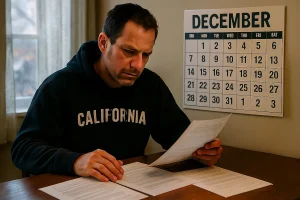
Every moment counts when dealing with the untimely loss of a loved one. In California, understanding the intricacies of a wrongful death claim can provide some guidance in such devastating times. Grasping the statute of limitations ensures family members have a clear path forward in seeking justice.
Wrongful death claims enable eligible family members to seek reparations when another’s negligence leads to a tragic loss. In California, the legal clock starts ticking quickly, making it essential to understand who can file and the specific deadlines associated with these claims. Different relationships and circumstances can affect eligibility, highlighting the need to delve into this crucial information.
Understanding Wrongful Death Claims in California
A wrongful death claim occurs when someone’s negligence or intentional act causes another’s death. In California, these claims help the deceased person’s family seek justice and compensation. Eligible parties may recover damages for loss of companionship, income, and other impacts.
Understanding the statute of limitations is crucial. In California, the wrongful death statute of limitations typically gives you two years from the date of death to file a lawsuit. However, this time limit can vary based on specific situations.
California Statute of Limitations Overview:
|
Situation |
Time Limit |
|---|---|
|
General Cases |
2 years |
|
Claims Against Government Entities |
6 months to file a notice of claim |
Consulting a wrongful death attorney can clarify these rules. Time limits are strict, and missing them may prevent legal action. Understanding these nuances ensures that families can take the appropriate steps after a wrongful death.
Who Can File a Wrongful Death Claim?
Filing a wrongful death claim in California is a critical step for those seeking justice for a deceased loved one. The state allows specific individuals to pursue these claims to recover damages for the loss they have suffered. Understanding who is eligible to file is crucial. Typically, family members closely related to the deceased person are allowed to bring such claims. The law recognizes this relationship as significant because the death impacts them the most, both emotionally and financially. It’s essential for anyone considering this legal action to identify if they have standing under California law.
Eligible family members
In California, eligible family members can file a wrongful death claim if they shared a close relationship with the deceased person. This includes immediate family like spouses, domestic partners, and children. These individuals are considered the primary claimants. The law assumes they have experienced significant loss due to the death. This loss might include companionship, emotional support, and financial stability. If you’re in this group, you have the legal right to seek compensation.
Spouses and domestic partners
Spouses and domestic partners have a clear right to file a wrongful death lawsuit under California law. The partnership and marriage represent a deep personal and financial bond, which emphasizes their eligibility. This bond often means that the death impacts them significantly, making recovery of damages essential for maintaining stability. California acknowledges both legally married partners and registered domestic partners equally in these claims. Their ability to file stems from the loss of companionship and financial support the deceased provided.
Children and minor dependents
Children and minor dependents also have the option to pursue a wrongful death claim. The law recognizes their dependency on the deceased for emotional and financial support. Natural and adopted children are eligible claimants under California law. In cases where they relied on the deceased for daily needs, filing a claim becomes vital. The absence of the deceased can result in severe life changes for these young dependents. Hence, they have legal standing to seek recovery for their loss.
Other potential claimants
While the primary claimants are family members like spouses and children, there might be other parties eligible under specific conditions. For instance, certain extended family members or others financially dependent on the deceased might have standing. This includes stepchildren or parents if they can prove a dependency. California law may allow these claimants when no direct family exists or if they were involved in the deceased’s life to a significant degree. They must demonstrate how the death has affected them both emotionally and financially, establishing their right to file.
Standard Statute of Limitations
In California, the statute of limitations sets the maximum time after an event within which legal proceedings may be initiated. In wrongful death cases, it defines how long you have to file a lawsuit. A wrongful death claim arises when a person dies due to someone else’s negligence or intentional act. It’s essential to file within this period; otherwise, you risk losing the right to seek justice and compensation for the deceased person’s family. Knowing these time limits helps ensure you take timely legal action to hold the responsible party accountable.
Two-year deadline from the date of death
For most wrongful death claims in California, you must file a lawsuit within two years from the date of death. This law is crucial because it sets a clear timeline for the family or estate of the deceased to take action. If you fail to file within these two years, the statute of limitations expires, and you lose the opportunity to pursue a claim in most cases.
However, there are situations where the rule can vary. For example, wrongful deaths involving medical malpractice might have different time limits. The discovery rule may apply if the cause of death wasn’t known right away. Additionally, when suing a government entity, the timeframe is often shortened. Typically, you have only six months to file a claim against a government agency or public entity. It’s wise to consult with a wrongful death attorney to understand the specific time limits relevant to your case, ensuring your claim is filed correctly and promptly.
Exceptions to the Standard Limitations
In California, the statute of limitations for a wrongful death claim is typically two years from the date of the deceased person’s death. However, there are exceptions to this general rule that can extend or alter the limitation period. These exceptions are crucial as they can affect your ability to file a wrongful death lawsuit. Understanding them can help ensure that you complete your legal action on time. This section will explore some exceptions, including claims against government entities, situations involving minors, and the “Discovery Rule” extension.
Claims Against Government Entities
Claims involving government entities, such as a public school or government agency, have different rules. When a wrongful death claim is filed against a government entity in California, the time limit to file is much shorter. You must file a claim within six months of the deceased person’s death. This shortened period is crucial to note because missing this deadline completely bars the claim.
After filing with the government, if the claim is denied, you typically have six months to file a wrongful death lawsuit in court. Due to these unique constraints, it’s advisable to act quickly and consult a wrongful death attorney familiar with claims against government entities. They can help ensure all necessary steps are completed accurately and promptly.
Minors Filing Claims
When minors are involved in filing a wrongful death claim, they have certain protections under California wrongful death laws. A minor may not have to adhere to the typical statute of limitations that applies to adults. Instead, the time limit might not start until they turn 18. This means they have until they reach age 20 to file a wrongful death claim.
This exception exists because minors might not have the capability, resources, or legal standing to initiate a claim independently before turning 18. However, if other family members have filed a claim on behalf of the deceased, this separate limitation may not apply to the same extent. Consulting a wrongful death attorney can help families understand how these rules apply to their situation.
The “Discovery Rule” Extension
The “Discovery Rule” is a critical exception in wrongful death cases, allowing the statute of limitations to be extended. This rule is applicable when the cause of death is not immediately apparent. Under the Discovery Rule, the statute of limitations may not begin until the cause of death is discovered or should have been discovered with reasonable diligence.
For instance, in cases involving hidden medical negligence or concealed defective products, this rule becomes relevant. The Discovery Rule provides an opportunity for justice even if it comes to light after the standard limitation period. Addressing these cases often requires evidence that the responsible party concealed the cause knowingly or the harm wasn’t obvious. Expert wrongful death lawyers are essential in these scenarios to establish the facts effectively.
Types of Compensation in Wrongful Death Claims
When someone dies due to another’s negligence, their loved ones may file a wrongful death claim. This legal action seeks justice and compensation for the deceased person’s family. The law provides different types of compensation to help ease the financial and emotional burden. These compensations are generally classified into three main categories: economic damages, non-economic damages, and punitive damages. Each type addresses distinct aspects of loss, and understanding these categories helps families know what financial relief they might expect.
Economic Damages
Economic damages cover the direct financial losses that result from a wrongful death. These compensate for the monetary contributions the deceased provided. This can include the loss of income, medical expenses prior to death, and funeral costs. In many cases, families can also recover the value of services the deceased might have provided. Calculating economic damages can be more straightforward than other types, as it relies on verifiable financial records and projections.
Non-economic Damages
Non-economic damages address the personal losses that are harder to quantify. These include compensation for the loss of companionship, emotional distress, and the pain and suffering of losing a loved one. Courts recognize that these losses, while intangible, are significant to families. Unlike economic damages, non-economic damages are subjective and can vary greatly from case to case. A wrongful death attorney can help articulate the profound impact of these losses to ensure fair compensation.
Punitive Damages
Punitive damages are not awarded in every wrongful death case. They aim to punish the responsible party for particularly harmful or negligent actions. When the conduct that led to the death is found to be especially egregious, such as in cases involving gross medical negligence or intentional harm, the court may impose these damages. Unlike economic and non-economic damages, punitive damages are not about compensating the family. Instead, they serve as a deterrent to prevent similar misconduct in the future.
The Role of a Wrongful Death Attorney
A wrongful death attorney plays a critical role when a loved one dies due to negligence. They help families navigate the complexities of legal action. This area of law lets families seek compensation for losses like financial support and companionship. By consulting with a wrongful death lawyer, families gain a clear understanding of their legal rights and options. These attorneys handle the legal nuances, allowing families to focus on healing. Wrongful death claims often involve complicated legal processes. Attorneys provide guidance and representation to ensure families receive the justice they deserve.
Ensuring Compliance with Legal Deadlines
Navigating the legal time limits is crucial in wrongful death cases. In California, there is a statute of limitations of two years for filing a wrongful death claim. This means legal action must start within this period. If a government entity is involved, the deadline can be shorter. It’s usually six months to file a claim against a public entity. Missed deadlines can mean losing the right to legal action. A wrongful death attorney ensures that all paperwork is filed on time. They take charge of managing the timeline, so families don’t have to worry about it.
Maximizing Potential Recovery
Wrongful death attorneys aim to secure the best possible outcome for their clients. They measure the full impact of the deceased person’s absence. This includes both economic and non-economic damages, such as loss of earnings and companionship. Lawyers also consider future financial support and medical expenses. By negotiating with insurance companies and responsible parties, attorneys seek fair compensation. Their experience in wrongful death law helps build strong cases. They gather evidence, consult experts, and present compelling arguments to maximize recovery for the bereaved families.
Understanding Court Processes and Procedures
The legal system can be overwhelming during an emotional time. A wrongful death attorney helps clients understand court procedures and what to expect. They explain each step, from filing the lawsuit to negotiating settlements. Attorneys guide families through the discovery rule, where evidence is gathered. They advocate for their clients during hearings and trial, if necessary. Attorneys work to simplify the complex process. They handle the technicalities so families can concentrate on healing. This support makes the legal journey less daunting, ensuring justice is pursued efficiently and effectively.
Importance of Timely Legal Action
In California, when you lose a loved one due to someone else’s negligence, you may have the right to file a wrongful death claim. This type of claim seeks compensation for losses like loss of companionship and support. Taking timely legal action is crucial because it impacts your ability to pursue a wrongful death lawsuit successfully. The statute of limitations sets a specific time frame within which you must file a claim. Missing this time frame could prevent you from seeking justice.
Understanding the statute of limitations is essential. For most wrongful death claims in California, you have two years from the date of the deceased person’s death to file your lawsuit. However, this deadline can vary, especially when dealing with government entities or cases involving medical malpractice. Consulting with a wrongful death attorney as soon as possible ensures you understand the specific deadlines applicable to your situation. Prompt legal action preserves your right to seek compensation and holds the responsible party accountable.
Consequences of Missing the Deadline
Failing to file a wrongful death claim within the required time frame can have serious consequences. If the statute of limitations expires, you lose the legal right to pursue compensation. This means you may not recover damages for loss of companionship, financial support, or medical expenses related to the deceased person’s passing.
When the deadline is missed, courts generally dismiss the case, and no legal action can be taken. Even if you had a strong claim, the opportunity is lost, and the responsible party may never be held accountable. Exceptions exist, like the discovery rule, which may extend deadlines if the cause of death was not immediately evident. However, relying on exceptions carries risks and is often complex.
To avoid these issues, it’s important to act quickly after a loved one’s death. Engaging wrongful death lawyers early in the process maximizes your chances of understanding and meeting all legal deadlines. Their expertise helps navigate complex legal systems and ensures your case proceeds without unnecessary delays.
Strategies for Prompt Claim Investigation
Investigating a wrongful death claim promptly is key to gathering evidence and building a strong case. Early action helps ensure crucial details are preserved, and witness testimonies are fresh and reliable. Initiating this process soon after a loved one’s passing is critical to filing a successful claim.
One strategy to conduct a thorough investigation is to assemble a team of experts, including a wrongful death attorney. These professionals know how to collect and analyze evidence, such as accident reports or medical records, efficiently. Their expertise is invaluable in identifying the parties responsible for negligence or medical malpractice.
Another effective strategy is timely communication with involved parties, like insurance companies or public entities. Promptly notifying relevant parties ensures all procedural requirements are met before the statute of limitations expires. Early coordination helps in obtaining necessary documentation and expert opinions to support your case.
Get Compassionate Legal Support from Phoong Law When Time Matters
Losing a loved one is devastating, and acting quickly on a wrongful death claim is crucial. Timing matters; missing deadlines could mean losing your right to justice and compensation. Seek help from the compassionate team at Phoong Law for guidance through this tough time.
Why Choose Phoong Law?
- Free Consultation: Call us at 866-GOT-PAIN.
- Compassionate Guidance: We understand your pain and are here to support you.
- Experienced Team: Our knowledge means you can focus on healing.
In a wrongful death case, the statute of limitations in California typically allows you two years to file a lawsuit. However, if a government entity is involved, the deadline may differ, often requiring action within six months. Contact us early to ensure no stone is left unturned.
Steps We Take:
- Case Evaluation: Understand your specific situation.
- Documentation: Gather evidence and necessary paperwork.
- Legal Strategy: Plan the best approach for your case.
- Filing the Claim: Ensure timely submission.
Don’t wait. Reach out to Phoong Law to get the compassionate legal support you need when every moment counts.
Disclaimer: This blog post is intended for general informational purposes only and should not be considered legal advice. The statute of limitations for wrongful death claims in California can vary depending on the details of each case. If you believe you may have a wrongful death claim, it is crucial to consult with a licensed attorney promptly. Phoong Law provides legal guidance tailored to your specific situation, but no legal representation is established by reading this article.



















 English
 Español de México