
 ES


Were You Injured by a Drunk Driver in Las Vegas? Here’s What You Can Do.
In the vibrant city of Las Vegas, the allure of nightlife can sometimes lead to devastating consequences on the road. With the excitement of nightlife comes an unfortunate surge in drunk driving incidents that leave many wondering about their rights and legal options. Understanding the complexities of these cases is crucial for anyone affected by such accidents.
Drunk driving is not just a mere traffic violation; it falls under the broader context of negligence. To successfully pursue a claim, one must establish the driver’s impairment and their failure to adhere to legal standards. Consequently, Nevada’s DUI laws play a pivotal role in shaping the outcomes of these cases.
We will delve into the essential aspects of suing for a drunk driving accident in Las Vegas, including the types of damages you can recover, the importance of timely legal action, and the potential for seeking justice with the assistance of a qualified attorney.
Understanding Negligence in Drunk Driving Cases
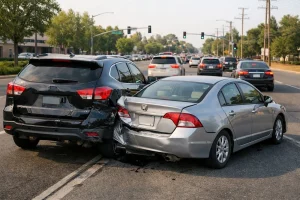
In Las Vegas, as in other parts of Nevada, drunk driving accidents serve as a stark reminder of the severe risks involved when individuals operate vehicles under the influence. Such accidents not only lead to devastating physical injuries but can also result in significant financial and emotional burdens for the victims. Drunk driving is considered a form of negligence, which plays a crucial role in personal injury cases arising from these unfortunate incidents.
Definition of Negligence
Negligence occurs when an individual fails to exercise reasonable care, resulting in harm to others. In the context of drunk driving accidents, a driver who chooses to drive while impaired is deemed negligent because they do not uphold the expected standard of care.
For a victim to succeed in a personal injury claim against a drunk driver in Las Vegas, they must establish several key elements:
- Duty of Care: The driver owed a duty to operate their vehicle safely.
- Breach of Duty: By driving under the influence, the driver violated this duty.
- Causation: This breach directly led to the accident and the victim’s injuries.
In Nevada, breaking safety laws—such as driving with a blood alcohol concentration (BAC) of .08% or higher—constitutes negligence per se. This legal principle simplifies the plaintiff’s task by eliminating the need to prove the driver’s negligence directly, as the violation of the law itself serves as evidence.
Victims of drunk driving accidents can pursue compensatory damages for medical bills, lost wages, pain and suffering, and may also seek punitive damages, which aim to punish the drunk driver for their actions. It’s worth noting that even if the victim is partially at fault, Nevada’s comparative negligence law allows them to recover damages as long as they are not more than 50% responsible for the accident.
Proving Driver’s Impairment
Establishing that the driver was impaired at the time of the crash is critical to building a strong personal injury lawsuit. Several types of evidence can substantiate this claim:
- Breathalyzer or Blood Test Results: Demonstrating a BAC of at least .08% can solidify claims of impairment.
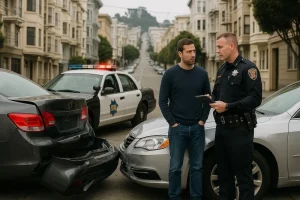
- Police Reports: These often include observations made by officers at the scene, detailing signs of intoxication.
- Witness Statements: Testimonies from witnesses who observed the driver’s behavior can support claims of impairment.
- Reckless Driving Behavior: Evidence such as swerving or speeding can be linked to the driver’s intoxication.
- Criminal Convictions: A DUI conviction serves as compelling evidence of the driver’s intoxication during a civil lawsuit.
To connect the driver’s impairment with the specific injuries sustained, medical records and detailed documentation of the victim’s medical treatments are essential. These pieces of evidence help demonstrate causation, establishing that the negligent behavior directly resulted in the damages incurred.
Engaging a knowledgeable personal injury attorney can be invaluable for navigating the complexities of drunk driving accident cases. These legal professionals can assist in gathering evidence, negotiating with insurance companies, and ensuring victims receive fair compensation for their injuries and losses. In Las Vegas, the statute of limitations for filing a personal injury lawsuit is crucial to keep in mind, as claims typically must be filed within two years of the accident date. Understanding these legal nuances can significantly impact the outcome of a drunk driving accident claim.
Nevada’s DUI Laws
In Nevada, Driving Under the Influence (DUI) encompasses impairment caused not only by alcohol but also by drugs and inhalants. The legal blood alcohol content (BAC) limits are defined as 0.08% for civilian drivers, 0.04% for commercial drivers, and 0.02% for drivers under the age of 21. It is important to note that a prosecutor in Nevada can establish impairment without a chemical test through evidence of erratic driving or failed field sobriety tests.
Additionally, Nevada law considers DUI causing substantial bodily injury or death a serious offense, classified as a class B felony. This offense carries severe penalties, including two to 20 years in prison and fines ranging from $2,000 to $5,000. Importantly, personal injury claims related to DUI accidents can be filed by affected parties such as drivers, passengers, and pedestrians.
To establish liability in a DUI accident case, it is possible to rely on a defendant’s DUI conviction or other evidence demonstrating they were under the influence at the time of the incident. The burden of proof in these civil cases is based on the preponderance of the evidence, making it essential for victims involved in drunk driving accidents to gather comprehensive documentation and seek legal counsel.
Overview of DUI Regulations
Nevada imposes strict regulations and penalties for DUI offenses to deter impaired driving. For a first DUI offense, individuals face penalties including imprisonment ranging from two days to six months, a fine between $400 and $1,000, and a driver’s license suspension for up to three years. A second DUI offense is classified as a felony, with consequences such as one to six years in prison, fines of $750 to $1,000, and potential suspension of the driver’s license for up to three years.
Drivers in Nevada also have the right to request an independent chemical test to challenge the results of a police-administered test. This is a crucial provision under the independent test statute, empowering defendants to dispute charges based on alternative testing if administered under procedural guidelines.
Under Nevada Revised Statutes § 42.010, plaintiffs injured by drivers who willfully consumed alcohol or substances can seek punitive damages, further illustrating the state’s commitment to holding intoxicated drivers accountable.
Penalties for Drunk Driving in Nevada
The penalties associated with drunk driving offenses in Nevada reflect the severe stance taken by the state. For a first DUI offense, individuals may face misdemeanor charges with penalties including two days to six months in jail, a fine from $400 to $1,000, and a driver’s license suspension of up to three years.
A second DUI offense, being more serious, is classified as a felony, leading to one to six years in prison and similar fines. Upon reaching a third DUI offense, the penalties become more severe, with felony charges resulting in two to 20 years in prison, a $2,000 fine, and a driver’s license suspension lasting up to three years.
Beyond the immediate legal consequences, DUI convictions in Nevada can incur high civil liabilities due to the damages caused. Nevada’s laws underscore both criminal and civil liability, reinforcing the broad commitment to reducing drunk driving incidents and their associated impacts. These legal repercussions aim to deter reckless behavior and protect the well-being of all road users.
Types of Damages You Can Recover
In Las Vegas, victims of drunk driving accidents can pursue a personal injury lawsuit to recover various types of damages. These damages aim to compensate for the physical, emotional, and financial toll inflicted by the accident.
Medical Expenses
Victims of drunk driving accidents may seek compensatory damages to cover a range of medical expenses resulting from their injuries. These encompass costs incurred from hospital stays, rehabilitation, home health care, and necessary counseling. If the injuries lead to long-term consequences, claimants may be entitled to compensation for future medical expenses as well. A personal injury lawyer can help victims document these costs and navigate the legal process to ensure all necessary medical bills are addressed. Thus, it is paramount to keep detailed records of all healthcare-related expenses to substantiate your claim.
Lost Wages
Lost wages represent another critical area of compensation for victims of drunk driving accidents. This includes the income lost due to an inability to work during recovery. In instances where the injuries result in a long-term or permanent disability, compensation can extend to future lost earnings. The settlement may cover wages lost while recovering, as well as address the potential career impact due to the accident. Such financial compensation can help alleviate the immediate financial strain and address the ongoing economic impact on the victim’s career and income potential.
Pain and Suffering
Pain and suffering compensation addresses both the physical discomfort and emotional distress caused by the accident. Under Nevada law, these non-economic damages consider trauma from the incident, disruptions to daily life, and any emotional consequences. Victims who endure both mental and physical hardships as a result of the incident can seek compensation to help alleviate some of the emotional and financial burdens inflicted by the accident. This type of compensation takes into account the initial trauma as well as any continuing pain or emotional distress.
Punitive Damages
Punitive damages in drunk driving cases are specifically aimed at penalizing the at-fault driver for their reckless behavior, serving as a deterrent for similar misconduct by others. In Las Vegas, these damages can be awarded if the defendant knowingly consumed alcohol and then operated a vehicle, leading to an accident. Importantly, there is no cap on punitive damages in Nevada, allowing for potentially substantial awards. Victims can pursue punitive damages alongside compensatory damages, enhancing their overall financial recovery. This legal provision stands even if criminal charges have already been filed, underscoring the dual applicability of punitive damages in civil lawsuits against intoxicated drivers.
Statute of Limitations for Personal Injury Claims
In Nevada, victims of drunk driving accidents must navigate the legal system efficiently to ensure their right to seek compensation for injuries and losses. A key aspect of this process is understanding the statute of limitations for personal injury claims. This time limit is a crucial factor that could significantly impact a victim’s ability to pursue compensatory and punitive damages.
Two-Year Filing Window
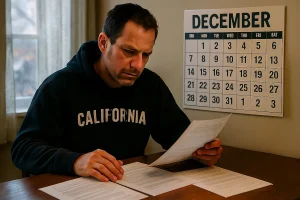
Nevada law sets a statute of limitations of two years for filing a personal injury lawsuit, which includes cases resulting from drunk driving accidents. This time frame begins from the date the injury occurs. It’s imperative to file within this two-year period, as failure to do so can result in the dismissal of your case. This restriction not only affects personal injury claims but also extends to wrongful death claims related to incidents involving an intoxicated driver.
Understanding and adhering to this filing window is essential. Consulting a personal injury attorney promptly after an accident with a drunk driver can ensure compliance with these legal deadlines. An attorney can guide you through the legal process, making sure you are aware of every step involved in filing an accident claim and securing the financial compensation you deserve.
Importance of Timely Action
Taking swift action after a drunk driving accident is crucial, as it aligns with Nevada’s law requiring victims to file a personal injury lawsuit within two years of the accident. Acting quickly is vital not only for legal compliance but also for preserving key evidence that is essential for the success of your case.
Immediately seeking medical attention following the accident is necessary for your health and creates a documented record of your injuries. This documentation is invaluable in substantiating your personal injury claim when negotiating with insurance companies for a fair settlement.
Engaging a drunk driving accident lawyer promptly enables a thorough gathering of evidence and witness statements, which can substantially strengthen your case. Missing the two-year deadline to file a lawsuit may permanently bar you from obtaining compensation, underscoring the importance of timely action.
In summary, the statute of limitations and the urgency of filing your claim are integral components in securing the compensation owed to victims of drunk driving accidents in Las Vegas. Consulting with accident lawyers promptly can help navigate legal complexities and protect your right to a fair compensation that covers medical expenses, property damage, and other losses resulting from such incidents.
Legal Assistance for Drunk Driving Accidents
In Las Vegas, victims of drunk driving accidents have the authority to pursue civil lawsuits against intoxicated drivers, irrespective of whether the driver has been criminally convicted for Driving Under the Influence (DUI). The focus of a civil case is on proving the negligence of the drunk driver, a task that differs from a criminal case, which evaluates compliance with DUI laws. Legal remedies are available to victims of drunk driving accidents to seek compensation for medical bills, lost wages, and other damages. Additionally, Nevada’s dram shop laws hold bars liable if they serve alcohol to visibly intoxicated individuals who subsequently cause drunk driving accidents. For those involved in such unfortunate events, avenues exist to receive emotional support and legal guidance to navigate the complexities associated with drunk driving accidents and related lawsuits.
Role of a Personal Injury Attorney
Engaging a personal injury attorney in Las Vegas can be instrumental for individuals involved in drunk driving accidents seeking compensation. These attorneys are experts in managing DUI cases and can assist clients in receiving fair compensation for a variety of losses, including medical bills and pain and suffering. Their expertise is crucial in gathering evidence and proving the driver’s fault, a critical component of successfully navigating a drunk driving accident claim. Beyond immediate expenses, a personal injury lawyer can help recover costs for rehabilitation and long-term care following the accident. They also play a pivotal role in negotiating with insurance companies to secure necessary medical care, particularly for clients who may not have the financial means to cover these expenses upfront. Furthermore, the emotional support provided by an attorney can be invaluable in helping clients manage the legal process and make well-informed decisions regarding their cases.
Navigating Complex Legal Requirements
Navigating the legal nuances of a drunk driving accident case can be daunting. It’s important to understand the differences between civil and criminal cases. In Nevada, victims can sue for damages regardless of the criminal court’s ruling on the driver’s DUI charge. Documenting the driver’s intoxicated state at the time of the accident is crucial, requiring evidence such as police reports, arrest records, and biological test results to establish liability.
The expertise of an attorney is essential in compiling and presenting this evidence to support the victim’s claim. Nevada law also includes a modified comparative negligence rule, allowing victims to recover damages as long as they are less than 50% at fault. However, any compensation awarded is reduced based on their degree of fault in the accident. Pursuing punitive damages is another legal avenue available to punish extreme negligence and discourage similar behavior in the future, thus enhancing potential compensation for victims.
Navigating these legal requirements not only involves understanding complex laws but also requires a strategic approach to ensure a fair settlement and financial compensation for the damages and injuries sustained in a drunk driving accident.
Proving Fault in Drunk Driving Cases
Proving fault in drunk driving accident cases in Las Vegas can often be straightforward, especially when substantial evidence is available. A police report indicating that the driver was under the influence at the time of the accident can be a strong foundation for establishing fault. If the intoxicated driver is convicted of a DUI related to the incident, this conviction further solidifies their liability in any subsequent civil lawsuit. In civil cases, the burden of proof is lower than in criminal cases, requiring only that it be shown “by a preponderance of the evidence” that the defendant was at fault.
Various types of DUI offenses in Nevada, such as DUI causing injury or death, help establish patterns of negligence that influence liability in accidents. Evidence like sobriety tests, witness statements, and breathalyzer results are crucial in demonstrating the other driver’s intoxication and subsequent fault in causing the accident.
Understanding Negligence Per Se
Negligence per se is an important concept in navigating a drunk driving accident lawsuit. This legal claim arises when a driver violates a traffic law, such as Nevada’s prohibition on drunk driving, creating a presumption of negligence. Under this doctrine, the plaintiff must prove that the defendant had a duty to adhere to a specific law, like DUI regulations, intended to protect individuals on the road. A violation, such as driving with a blood alcohol concentration (BAC) of .08% or higher, signifies a breach of duty that can substantially support a personal injury claim. It is crucial for the injured party to be among those the law intended to protect, which generally includes all road users. Establishing negligence per se simplifies proving a case and recovering damages, as the breach of the law inherently implies a breach of duty.
Options for Wrongful Death Claims
In Nevada, if a loved one dies due to the actions of a drunk driver, surviving family members can pursue compensation through a wrongful death lawsuit. To succeed, the plaintiff must establish that the defendant owed a duty of care, violated that duty, caused the victim’s death through negligence, and that the family suffered compensable damages. Wrongful death claims can be based on negligence or negligence per se, allowing an attorney to build a compelling case tailored to the specifics of the accident.
A wrongful death action can deliver financial relief for damages such as the deceased’s medical expenses, lost wages, funeral costs, and other noneconomic damages. In instances of wrongful death attributed to a drunk driver, it is vital for the family or estate to demonstrate that the victim’s death was a direct result of the defendant’s negligent or wrongful actions, ensuring a more straightforward path to obtaining fair compensation.
Liability of Third Parties
In the realm of drunk driving accidents in Las Vegas, understanding the liability of third parties is crucial for victims seeking justice. Nevada law generally does not impose liability on third parties such as bars, restaurants, or casinos for overserving alcohol to patrons who later cause accidents. However, exceptions exist, particularly concerning the sale of alcohol to minors. Establishing third-party liability often involves analyzing multiple elements, including negligence and contributions to the accident by other parties beyond the intoxicated driver.
Potential Responsibility of Bars and Restaurants
In Nevada, bars and restaurants have limited liability when it comes to drunk driving accidents. According to the Nevada Revised Statutes § 41.1305, these establishments are not typically held liable for serving alcohol to visibly intoxicated patrons. However, they can be held accountable if they knowingly serve alcohol to someone under the age of 21, who then causes a DUI accident. Proving this liability requires clear evidence—such as witness statements or surveillance footage—demonstrating that the establishment served alcohol to an individual who was visibly intoxicated or underage at the time. Despite this, the liability does not extend to preventing intoxicated patrons from driving, significantly limiting the potential for successful claims against these businesses.
Cases Against Commercial Establishments
In Nevada, existing laws do not support holding commercial establishments responsible for the actions of patrons who cause drunk driving accidents after being overserved. This absence of dram shop liability means that establishments like bars, restaurants, and casinos are not legally accountable for injuries caused by intoxicated drivers who consumed alcohol on their premises. The only notable exception exists if alcohol is served to an underage individual, wherein social host liability might apply. In such cases, the establishment could face legal responsibility for injuries caused by the underage drinker. Despite this immunity for commercial establishments, victims of drunk driving accidents still have the right to pursue claims against the intoxicated driver or other factors contributing to the accident, such as hazardous road conditions.
Key Points:
- General Rule: Bars and restaurants in Nevada are generally not liable for drunk driving accidents caused by their patrons.
- Exception: Liability can be established if establishments serve alcohol to minors who then cause a DUI accident.
- Dram Shop Laws: Nevada’s laws do not impose liability on establishments serving alcohol to visibly intoxicated individuals.
- Victim’s Options: Victims can sue the drunk driver or other negligent parties responsible for the accident.
By demystifying the legal landscape, victims and their families can better understand their rights and identify potential avenues for seeking justice and fair compensation.
Steps to Take After a Drunk Driving Accident
Experiencing a drunk driving accident is a traumatic event that can have lasting implications. It is crucial to take the correct steps immediately following the accident to protect your rights and ensure you receive fair compensation.
- Seek Immediate Medical Attention:
- Even if you feel uninjured, see a doctor right away, as some injuries may not display immediate symptoms.
- Ensure you get a comprehensive medical evaluation to identify any underlying issues.
- Documenting medical evaluations is vital for later pursuing compensation related to medical bills, treatments, and injuries.
- Notify Your Insurance Company:
- After receiving medical care, inform your auto insurance company about the accident.
- Avoid signing any documents or giving any statements before consulting a personal injury attorney.
- Call the Police:
- Reporting the accident to law enforcement is essential to establish an official record.
- A police report can serve as crucial evidence and detail who was at fault and if any legal limit was exceeded by the drunk driver.
- Consult a Drunk Driving Accident Attorney:
- Seek legal advice promptly, as the choices made immediately after the incident can impact your ability to pursue legal action effectively.
- An attorney can help navigate the complexities of filing a personal injury lawsuit or wrongful death suit and negotiate with insurance companies for a fair settlement.
- Consider Filing a Civil Suit:
-
- Remember that you can file a civil suit against the intoxicated driver independent of any criminal proceedings, as the criminal and civil systems function separately.
Collecting Evidence
Gathering evidence following a drunk driving accident is crucial in building a solid case. This includes:
- Police Reports:
- These documents pinpoint who was believed to be at fault and whether any traffic laws were violated.
- Photos and Videos:
- Capture images or videos of the accident scene, vehicle damage, and any visible injuries.
- Witness Statements:
- Collect statements from anyone who witnessed the accident to bolster your claim.
- Dash Cam Footage:
- If available, this can provide real-time evidence showing the events leading up to the accident.
- Toxicology Reports:
-
- Such reports can confirm if the driver was under the influence, further strengthening your case.
Reporting the Accident
Accurate reporting is crucial for insurance claims and potential legal actions:
- Immediate Reporting:
- File a claim with both your insurance company and the drunk driver’s insurance carrier.
- Law Enforcement’s Role:
- The attending officers are key to identifying drunk drivers and collecting necessary evidence to establish liability.
- Eyewitness Testimonies:
- Testimonies that affirm the driver’s intoxication are vital for proving liability in civil cases.
- Accident Scene Documentation:
-
- Gather photos, witness contact information, and other evidence from the scene.
Seeking Medical Attention
Your health and safety are paramount:
- Prompt Medical Evaluation:
- Visit a healthcare professional immediately to diagnose any hidden injuries.
- Documentation:
-
- Maintain detailed records of all medical treatments, as they justify claims for medical expenses in your personal injury claim.
- Legal and Health Connection:
-
- Immediate medical attention helps establish a clear link between the accident and the injuries sustained, crucial for legal claims.
Navigating the aftermath of a drunk driving accident requires meticulous attention to detail and swift actions to safeguard your rights and well-being. By following these steps, you can enhance your chances of securing fair financial compensation and justice.
Get the Justice and Compensation You Deserve with Phoong Law
Are you facing the aftermath of a drunk driving accident? At Phoong Law, we are dedicated to helping you secure the justice and compensation you rightfully deserve. With our experienced accident lawyers, we tackle your personal injury claims and navigate the complexities of drunk driving accident cases on your behalf.
Why Choose Phoong Law?
- Expert Legal Representation: Our team specializes in personal injury lawsuits, ensuring a robust approach to achieving fair compensation for medical expenses, property damage, and more.
- Comprehensive Support: From handling medical bills and police reports to negotiating with insurance companies, we manage every aspect of the legal process.
- Pursuing Maximum Compensation: We fight for compensatory and punitive damages ensuring you receive support for common injuries, traumatic brain injuries, and other losses.
- Compassionate Advocacy: We understand the emotional toll, especially in cases of wrongful death, and offer empathetic, dedicated service.
Don’t let an intoxicated driver’s negligence go unanswered. Call 866-GOT-PAIN or message us today to begin your fight for justice and fair settlement.












 English
 Español de México