
 ES


A New Era in TBI Recovery Tracking
The path to recovery after a Traumatic Brain Injury (TBI) is rarely a straight line. It is a complex, often unpredictable journey marked by subtle shifts in cognitive function, physical ability, and emotional well-being. For decades, clinicians and patients have struggled to capture the nuances of this recovery process, relying on infrequent clinic visits and subjective self-reporting. This episodic approach often misses crucial patterns, delaying interventions and frustrating those working toward regaining their lives. Now, a transformative shift is underway in California, where the most ubiquitous tool of modern life—the smartphone—is being harnessed to create a dynamic, real-time picture of brain injury recovery, promising a new era of personalized and effective NeuroRehabilitation.
The Lingering Challenge of Traumatic Brain Injury (TBI)
Traumatic Brain Injury is a significant public health issue, representing a major cause of death and long-term disability. This form of neurotrauma can result from a sudden blow or jolt to the head, disrupting normal brain function. The initial injury severity, often assessed using tools like the Glasgow Coma Scale, only tells part of the story. The true challenge lies in managing the long-term consequences. Globally, 50–60 million people are affected by TBIs annually, creating a ripple effect that touches families, healthcare systems, and economies.
The Need for Dynamic, Real-time Recovery Insights
Effective rehabilitation for TBI patients depends on understanding the day-to-day fluctuations in their condition. A patient who appears stable during a 30-minute appointment may struggle with fatigue, cognitive fog, or emotional dysregulation hours later. Traditional monitoring methods fail to capture this granular data, leaving clinicians with an incomplete picture. To truly optimize therapy and improve long-term functional outcomes, there is a critical need for continuous, objective data that reflects the reality of a patient’s life outside the clinic walls.
California’s Innovative Leap: Smartphone Technology for Brain Injury Tracking
Recognizing this gap, pioneering healthcare systems and research institutions in California are leveraging mobile health (mHealth) technology to revolutionize TBI recovery tracking. By developing and deploying specialized smartphone applications, they are empowering adult patients to document their progress, symptoms, and challenges in real time. This initiative transforms a personal device into a powerful clinical tool, bridging the distance between appointments and providing an unprecedented stream of data to guide care.
The Traditional Landscape of TBI Progress Monitoring
For years, the framework for monitoring recovery from a brain injury has been static and limited. The process was built around scheduled appointments, standardized tests administered in a controlled environment, and patient recall, all of which have inherent limitations in painting a comprehensive picture of a person’s recovery journey.
Limitations of Standard Assessment Tools
Clinical assessments, while essential, provide only a snapshot in time. A score on a cognitive test or a functional assessment in a quiet office may not accurately reflect an individual’s ability to navigate the complexities of daily life, managing finances, returning to work, or participating in social activities. These tools are crucial for diagnosis and periodic evaluation but are ill-suited for the continuous, longitudinal tracking needed to tailor rehabilitation effectively and predict long-term outcomes.
The Burden on Patients, Families, and Clinicians
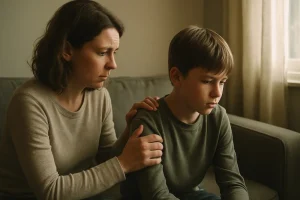
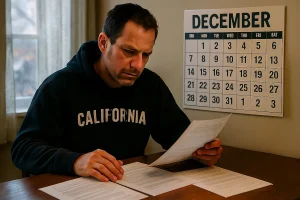
The traditional model places a significant burden on all involved. Patients must accurately recall weeks of fluctuating symptoms, a task made more difficult by the very cognitive deficits the brain injury may have caused. Families and caregivers often become default record-keepers, adding to their stress. For clinicians, sifting through subjective reports to find actionable insights is a time-consuming challenge, making it difficult to adjust rehabilitation strategies proactively.
California’s Vision: Leveraging mHealth for TBI Recovery
California’s move toward smartphone-based tracking is a direct response to these long-standing challenges. It represents a strategic investment in a future where technology enhances human-centric care, driven by the urgent need for more efficient, effective, and patient-focused solutions.
The Strategic Imperative for a Modern Solution
The impetus for this innovation is clear. The long-term impact of TBI is profound, with the unemployment rate for adults two years post-TBI reaching 60 percent, a stark contrast to national averages. Furthermore, the immense financial strain, with lifetime costs potentially reaching into the millions, necessitates smarter approaches to care that can mitigate long-term disability. A modern solution was needed to improve outcomes and reduce this societal burden.
The Core Concept: A Smartphone-Based Tracking System
The core concept is elegant in its simplicity: use the technology already in people’s pockets. With research showing that a vast majority (95%) of individuals with moderate to severe TBI own and use a smartphone, these devices are the perfect platform. The system uses a dedicated application to prompt patients for information, passively collect relevant data, and transmit it securely to a clinical database, creating a rich, continuous record of the recovery process.
Inside California’s Smartphone TBI Tracking Initiative: How it Works
The success of this initiative hinges on a seamless integration of technology into the patient’s life and the clinician’s workflow. It is designed to be intuitive for the user while providing robust, clinically relevant data for the healthcare team.
The User Experience: Designing for Patients and Caregivers
The applications are built with the end-user in mind. Interfaces are simple, with large fonts, clear instructions, and minimal navigation. Daily check-ins can be completed in minutes through short surveys, voice notes, or simple tap-based responses. Reminders and prompts are customizable to reduce cognitive load, ensuring the act of tracking does not become another burden for patients already managing significant challenges.
Key Data Points Captured via Smartphone
These applications capture a multifaceted view of a patient’s health. Key data points often include:
- Patient-Reported Outcomes: Daily ratings of headache severity, fatigue levels, mood, and sleep quality.
- Cognitive Performance: Short, game-like exercises that measure attention, memory, and processing speed.
- Functional Activity: Passive tracking of step counts, mobility patterns, and social engagement (e.g., call/text frequency) via phone sensors.
- Medication Adherence: Simple check-ins to confirm that prescribed treatments are being followed.
Integration with Existing Healthcare Systems (where applicable)
The captured data is not isolated. It is securely transmitted to a centralized, HIPAA-compliant database. Clinicians can access this information through a dedicated dashboard, often designed to integrate with the institution’s Electronic Health Record (EHR) system. This allows for a holistic view of the patient, combining app-generated data with traditional clinical notes and diagnostics like neuroimaging from a Magnetic Resonance Imaging (MRI) scan.
Transformative Benefits for TBI Patients and Their Families
The shift to smartphone-based tracking is more than a technological upgrade; it fundamentally changes the patient’s role in their own recovery, fostering a sense of agency and collaboration that was previously difficult to achieve.
Empowering Patients in Their Recovery Journey
By actively participating in data collection, patients become partners in their rehabilitation. They gain deeper insight into their own patterns—learning what triggers symptoms or what activities promote better function. This self-awareness is a powerful tool, enabling them to make informed lifestyle choices that support their recovery goals and providing a tangible sense of control.
Improving Functional Recovery and Community Participation
With a clearer understanding of a patient’s daily struggles and successes, therapists can tailor rehabilitation plans more precisely. If data shows a patient is avoiding community outings, a therapist can introduce strategies to manage social anxiety. If cognitive scores dip in the afternoon, they can adjust schedules to focus on demanding tasks in the morning. This targeted approach accelerates the improvement of functional outcomes and helps patients reintegrate into their communities faster.
Facilitating Better Communication and Support
The objective data provides a common language for patients, families, and clinicians. Instead of saying, “I’ve had a bad week,” a patient can point to data showing increased headache frequency and decreased sleep. This facilitates more productive conversations during appointments, whether in-person or via telehealth, ensuring that consultations are focused on solving specific, data-validated problems.
Enhanced Clinical Insights and Rehabilitation Strategies
For healthcare providers, the continuous stream of data from these smartphone applications offers a revolutionary new lens through which to view and manage Traumatic Brain Injury. It moves the practice of neurorehabilitation from a reactive to a proactive model.
A More Comprehensive View for Clinicians and Rehabilitation Teams
Clinicians can now see the full arc of a patient’s recovery, not just isolated moments in time. This longitudinal view helps them identify subtle declines that may signal a need for intervention or recognize gradual improvements that confirm a treatment plan is working. It provides a richer context for interpreting in-clinic assessments and making more informed decisions.
Informing Multidisciplinary Rehabilitation
TBI care is a team effort. The data collected via smartphone can be shared across the entire rehabilitation team—including neurologists, physical therapists, occupational therapists, and psychologists. This shared understanding ensures that all disciplines are working from the same information, leading to more coordinated and effective multidisciplinary care strategies.
Streamlining Coverage and Decision-Making
Objective, patient-generated data can be a powerful tool in demonstrating the medical necessity of ongoing rehabilitation services to insurance providers. By clearly documenting functional gains and persistent deficits, clinicians can build a stronger case for continued therapy, ensuring patients receive the care they need for as long as they need it.
Contributing to a Broader Understanding of Brain Injury
When anonymized and aggregated, the data from thousands of patients creates an invaluable resource. This large-scale database allows researchers to identify broader trends in TBI recovery, test the efficacy of new interventions in clinical trials, and develop predictive models to better forecast long-term outcomes, ultimately advancing the science of brain injury medicine for everyone.
Addressing Challenges and Ensuring Widespread Adoption
While the promise of this technology is immense, its successful implementation requires careful consideration of potential barriers. California’s initiatives are actively working to address these challenges to ensure the benefits are accessible to all TBI patients.
Overcoming Technology Literacy Barriers
Not all adults are equally comfortable with smartphone technology. To address this, programs must include comprehensive training for both patients and their caregivers. User-friendly app design is paramount, and a human support system (e.g., a help desk) is essential to troubleshoot issues and build user confidence.
Data Security and Patient Privacy
The collection of sensitive health data necessitates the highest standards of security. All systems must be fully compliant with privacy regulations like HIPAA, employing end-to-end encryption and secure data storage. Earning and maintaining patient trust is fundamental to the success of any mHealth initiative.
Ensuring Equitable Access and Reducing Digital Divide
A significant challenge is the digital divide. To ensure equitable access, some programs are exploring partnerships to provide loaner smartphones and data plans to patients who lack them. This commitment is crucial to preventing health disparities between those with and without access to technology.
The Role of Interdisciplinary Collaboration
Successful implementation requires a unified effort. It involves collaboration between software developers, clinical researchers, frontline clinicians, hospital administrators, and IT departments. This interdisciplinary approach ensures that the final product is not only technologically sound but also clinically relevant and practically feasible within a complex healthcare environment.
The Future of TBI Recovery: A California Blueprint for National Impact
California’s pioneering work in using smartphones for brain injury recovery tracking is more than just a regional project; it is a blueprint for the future of TBI care. By demonstrating the power of integrating patient-generated data into clinical practice, the state is setting a new standard for what comprehensive, personalized rehabilitation can look like. This model empowers patients, equips clinicians with unprecedented insights, and builds a foundation for data-driven advancements in the field. As this technology matures and becomes more widespread, it holds the potential to transform long-term outcomes for millions of individuals affected by trauma, turning the long, uncertain road to recovery into a more predictable and supported journey.
At Phoong Law, we understand that traumatic brain injuries are often invisible but life-changing. Documenting recovery through smartphones not only supports medical treatment but can also strengthen your legal claim. If you or a loved one has suffered a TBI due to someone else’s negligence, our team is here to fight for the justice and compensation you deserve. Call 866-GOT-PAIN today to schedule a free consultation.
Disclaimer: This article is for informational purposes only and does not constitute legal or medical advice. Reading this blog does not create an attorney-client relationship. For advice specific to your situation, contact a qualified attorney and healthcare professional.

















 English
 Español de México