
 EN


Resumen
After a car accident in Houston, move to safety, check for injuries, and call 911. Report the crash to police and get an official report. Document the scene with photos and witness details, exchange information, and notify your insurer without admitting fault. See a doctor promptly and remember that Texas gives you two years to file a claim.
Introduction
A crash happens in seconds, but the choices you make in the minutes and hours afterward can shape your health and your legal rights for years. If you are wondering what you should do immediately after a car accident in Houston, this guide walks through each step in order, from securing the scene to protecting your claim under Texas law. Stay calm, act deliberately, and use this checklist to guide your decisions.
1. Ensure Safety and Check for Injuries
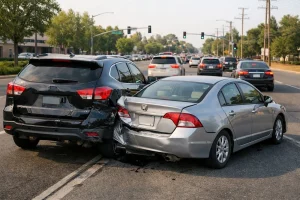
Your first priority is safety. If your vehicle is drivable and you are on a busy Houston roadway like the 610 Loop or I-45, move to the shoulder or a nearby parking lot to avoid a second collision. Turn on your hazard lights and set out flares or reflective triangles if you have them.
Once you are in a safer spot, check yourself and your passengers for injuries. Look for pain, bleeding, dizziness, or confusion. Then check on anyone in the other vehicle if it is safe to do so.
Llama al 911 de inmediato
Call 911 immediately if anyone is hurt, if vehicles are blocking traffic, or if you are unsure how serious the injuries are. Adrenaline can mask pain, so do not assume everyone is fine just because they can walk and talk. Tell the dispatcher your location, the number of vehicles involved, and whether anyone appears injured. Emergency responders can stabilize injuries and create an early record of what happened.
2. Report the Accident and Contact Police
In Texas, you are legally required to report a crash that results in injury, death, or property damage. Under Texas law, drivers must stop, remain at the scene, and report a collision when it causes injury, death, or vehicle damage that makes the car unsafe to drive. Leaving the scene of an injury accident can lead to serious criminal charges.
When you call police to the scene, an officer will investigate and prepare a crash report. In Houston, that report is filed with the Texas Department of Transportation and is often called a CR-3 report. It documents the date, time, location, parties involved, and the officer’s observations about how the crash occurred.
Por qué es importante el informe policial
An official police report protects your claim by creating a neutral, third-party record. Insurance adjusters rely heavily on it, and it can be difficult to dispute the other driver’s version of events without one. Ask the responding officer how and when you can obtain a copy. If police do not come to the scene, you may still need to file a report yourself, so ask the officer or check with local authorities about your options.
3. Document the Scene and Gather Evidence
Evidence disappears quickly, so document everything while you are still at the scene. Use your phone to take clear photos and video from multiple angles.
What Photos to Take
- Damage to every vehicle involved, up close and from a distance
- The overall scene, including the position of the cars, skid marks, and debris
- Traffic signals, stop signs, and lane markings
- Road conditions, weather, and lighting
- License plates and any visible injuries
Collect Witness and Driver Information
If anyone saw the crash, ask for their name and phone number. Independent witnesses can be extremely valuable if the other driver later changes their story. Note the make, model, color, and plate number of each vehicle. Preserving this evidence at the scene gives your claim a strong foundation later.
4. Exchange Information and Notify Insurance
Exchange key information with the other driver, but keep the conversation brief and factual. Gather their full name, phone number, address, driver’s license number, license plate, and insurance company and policy number. Share the same details about yourself.
No admitir la culpa
Stay polite, but avoid statements that could be read as accepting blame, including a casual apology. Fault is a legal determination that depends on the full picture, and something you say in the moment can be used against you later. Stick to describing what happened factually if asked by police.
Notify Your Insurer
Report the accident to your insurance company promptly, since most policies require timely notice. Give them the basic facts, but you are not obligated to give a recorded statement to the other driver’s insurer, and you should be cautious before doing so. Never guess, exaggerate, or speculate about fault when speaking with any adjuster.
5. Seek Prompt Medical Attention
See a doctor as soon as possible, even if you feel okay. Many serious injuries, including concussions, internal bleeding, and soft tissue damage, do not show symptoms right away. Getting checked protects your health and catches problems before they worsen.
Medical Records Strengthen Your Claim
Prompt medical care also creates a documented link between the crash and your injuries. If you wait days or weeks to seek treatment, an insurance company may argue that your injuries were minor or caused by something else. Follow your doctor’s instructions, attend follow-up appointments, and keep copies of all bills and records. This documentation is central to any injury claim under Texas law.
6. Understand Texas Fault and Deadlines
Texas is an at-fault state, which means the driver responsible for the crash, and their insurer, generally pays for the resulting damages. To recover compensation, you typically need to show that the other driver was negligent.
Comparative Negligence in Texas
Texas follows a modified comparative negligence rule, sometimes called proportionate responsibility. You can still recover damages if you were partly at fault, but only if your share of the blame is not more than 50 percent. Your compensation is reduced by your percentage of fault. For example, if you are found 20 percent responsible, your recovery is reduced by 20 percent.
The Two-Year Deadline
Texas generally gives you two years from the date of the accident to file a personal injury lawsuit. If you miss this statute of limitations, you usually lose the right to sue entirely. Some situations can shorten or extend this window, so it is wise to act well before the deadline and confirm how the rule applies to your case.
7. Consult a Houston Car Accident Attorney
An experienced local attorney can protect your rights, handle the insurance companies, and help you pursue fair compensation for medical bills, lost wages, and pain and suffering. After a serious crash, adjusters may push for a quick, low settlement before you understand the full extent of your injuries.
A knowledgeable lawyer investigates the crash, gathers evidence, calculates the true value of your losses, and negotiates on your behalf. Phoong Law is a trusted Houston resource for people navigating the aftermath of a car accident, and a consultation can help you understand your options with no pressure to move forward.
If you have questions about your specific situation, you can reach Phoong Law at 866-GOT-PAIN for a free consultation.
Preguntas frecuentes
Do I have to call the police after a minor car accident in Houston?
Texas law requires you to report crashes that involve injury, death, or vehicle damage that makes a car unsafe to drive. Even for seemingly minor accidents, calling police creates an official record that can protect you if injuries or disputes surface later.
How long do I have to file a car accident claim in Texas?
Texas generally gives you two years from the date of the crash to file a personal injury lawsuit. Missing this deadline usually means losing your right to sue, so it is best to act well in advance.
What happens if I was partly at fault for the accident?
Texas uses a modified comparative negligence rule, so you can still recover damages if you were 50 percent or less at fault. Your compensation is reduced by your percentage of responsibility.
Should I talk to the other driver’s insurance company?
You are not required to give a recorded statement to the other driver’s insurer, and you should be cautious before doing so. Anything you say can be used to minimize or deny your claim, so consider speaking with an attorney first.
La información de este artículo tiene fines educativos generales únicamente y no constituye asesoramiento legal. Cada caso es diferente. Contáctenos para una consulta gratuita sobre su situación particular.


















 English
 Español de México