
 EN
EN

Resumen
In Houston, Texas, the dog owner is usually liable for a bite, but Texas does not automatically hold owners strictly liable. Instead, Texas follows a version of the “one bite rule,” meaning you generally must show the owner knew or should have known the dog was dangerous, or that the owner was negligent. In some cases landlords, property owners, or handlers may also share fault. Victims can recover medical costs, lost wages, and pain and suffering, but must act within the two year statute of limitations.
Understanding Texas Dog Bite Liability Laws
So, who is liable for a dog bite in Texas? In most cases the dog’s owner, but proving it is more involved than in states with strict liability. Texas does not have a broad statute that automatically makes owners responsible for every bite. Instead, Houston, Texas courts apply the common law framework often called the “one bite rule.”
Under the one bite rule, an owner can be held responsible if they knew or reasonably should have known that their dog had dangerous tendencies. The name is somewhat misleading. A dog does not literally get one free bite. What matters is whether the owner had notice that the animal might harm someone. Prior bites, aggressive lunging, growling at strangers, or a history of snapping can all establish that knowledge.
Texas victims also have a second path to recovery. Even without prior knowledge of aggression, an owner may be liable under ordinary negligence if their careless handling of the dog caused the injury. This dual framework gives injured people two possible theories, and both are worth exploring after an attack in Houston, Texas.
When Is a Dog Owner Legally Responsible?
A dog owner in Houston, Texas is legally responsible when either they knew the dog was dangerous, or their negligence allowed the bite to happen. These are the two main routes to holding an owner accountable.
Prior Knowledge of Aggression
The classic path is showing the owner had reason to know the dog posed a risk. Evidence of prior knowledge can include earlier bite incidents, complaints from neighbors, warning signs posted on the property, the use of a muzzle, or the owner’s own admissions. Even breed reputation alone is usually not enough. Courts look for specific facts suggesting the owner understood this particular dog could hurt someone.
Negligence and Violated Ordinances
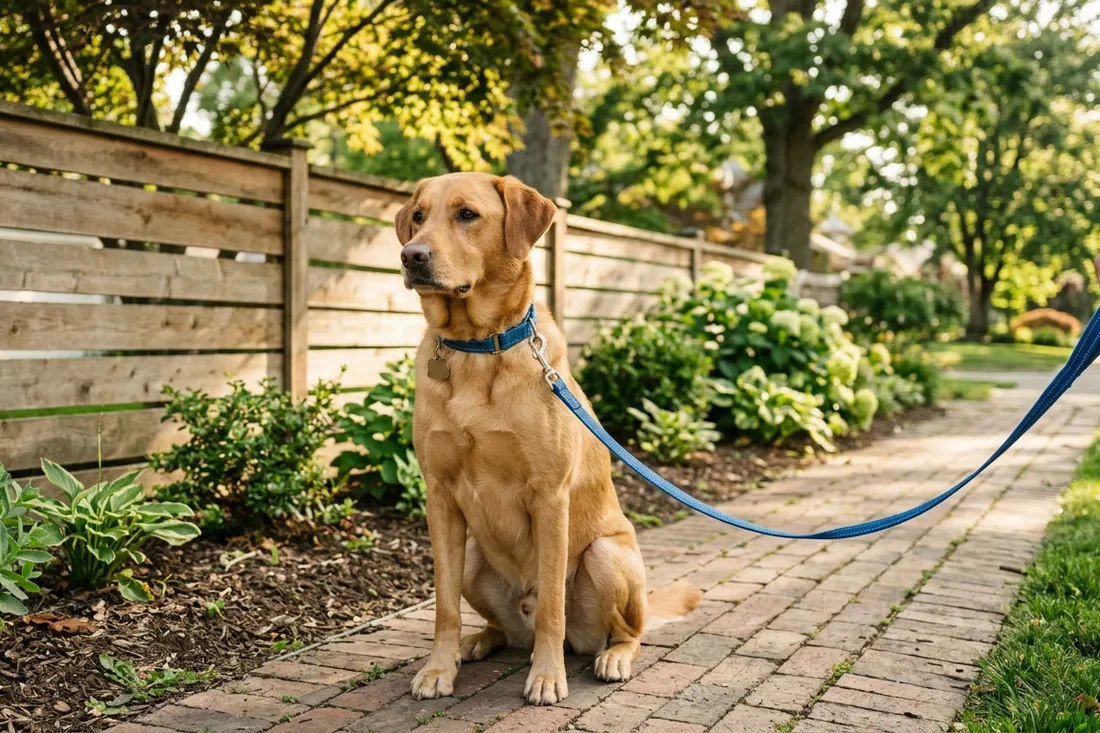
An owner can also be liable for failing to use reasonable care. Houston, Texas and Harris County have leash and restraint requirements, and letting a dog roam free or off leash in violation of local rules can support a negligence claim. If a dog escapes an unlatched gate and bites a passerby, the failure to secure the animal may itself be the basis for liability, regardless of the dog’s history.
Texas law also recognizes negligence per se, where violating a safety ordinance designed to protect people can be treated as evidence of negligence. Ignoring a leash law and allowing a dog to run loose is a common example.
Third Parties Who May Share Liability
Beyond the owner, other parties may share responsibility for a dog bite in Houston, Texas, depending on who controlled the animal or the property.
Landlords and Property Owners
A landlord is not automatically liable for a tenant’s dog. However, a landlord may share fault if they knew a specific dog on the property was dangerous, had the ability to remove or restrict it, and failed to act. This often comes up when a landlord had actual notice of a vicious dog in a common area and did nothing.
Handlers, Caretakers, and Dog Sitters
Whoever had custody and control of the dog at the time of the attack may bear responsibility. A dog walker, kennel, pet sitter, or friend watching the animal can be held to the same standard of reasonable care as an owner. If a professional caretaker mishandled a dog they knew to be aggressive, they can be a proper defendant.
Parents and Multiple Households
When a dog is owned or kept by more than one person, or by a minor, liability can extend across a household. Identifying every party with legal responsibility matters because it can affect which insurance policies apply, including homeowners or renters coverage that often pays dog bite claims.
Proving Negligence in a Texas Dog Bite Claim
To win a dog bite claim in Houston, Texas, you generally must prove the owner or responsible party owed a duty, breached it, and caused your injury and damages. The evidence you gather early makes a real difference.
The Legal Elements
Under a negligence theory you must show the defendant failed to use reasonable care, that this failure caused the bite, and that you suffered actual harm. Under the one bite or knowledge theory you must show the owner knew or should have known the dog was dangerous and failed to prevent the attack.
Evidence That Strengthens Your Case
Useful evidence includes photographs of your injuries and the scene, medical records documenting treatment, and the identity and contact information of the dog owner. Witness statements from neighbors or bystanders who saw the attack or knew of the dog’s history are valuable. Animal control reports and any prior complaints filed against the dog can establish that the owner had notice.
Comparative fault can also come into play. Texas uses a modified comparative negligence rule, so if you are found partly at fault, for example by provoking the dog or ignoring clear warnings, your recovery can be reduced. If you are more than 50 percent at fault, you may be barred from recovering at all. This is one reason careful documentation matters.
Damages You Can Recover After a Dog Bite
Victims of a dog bite in Houston, Texas can recover both economic and non economic damages. The goal is to make you whole for the losses the attack caused.
Daños Económicos
These are your measurable financial losses. They include emergency room bills, surgeries, reconstructive procedures for scarring, antibiotics and rabies treatment, physical therapy, and future medical care. Lost wages and reduced earning capacity are also recoverable if the injury kept you from working.
Non Economic Damages
Dog bites often leave lasting scars, both physical and emotional. Texas allows compensation for pain and suffering, disfigurement, and mental anguish, including anxiety and fear around dogs that can follow a serious attack. Children who are bitten in the face frequently need long term care, and these damages can be substantial.
When Punitive Damages May Apply
In rare cases where an owner acted with gross negligence, for example knowingly keeping a dangerous dog unrestrained around children, a court may award exemplary damages meant to punish especially reckless conduct. These are not available in every case and require a high standard of proof.
Deadlines and Steps to Take After a Dog Bite
In Houston, Texas, you generally have two years from the date of the dog bite to file a personal injury lawsuit. Missing this statute of limitations usually means losing your right to recover, so acting promptly is important.
Pasos Inmediatos
First, get medical care. Dog bites carry a high risk of infection, and prompt treatment also creates a record linking your injury to the attack. Report the bite to Houston animal control or your local health authority so the incident is documented and the dog’s vaccination status can be checked.
Next, identify the owner and gather insurance information. Photograph your wounds, torn clothing, and the location. Collect names and phone numbers of witnesses. Avoid giving recorded statements to an insurance company before you understand your rights, because early statements can be used to reduce your claim.
Preserve Everything
Keep all medical bills, receipts, and a simple journal describing your pain and how the injury affects daily life. This documentation becomes powerful evidence later. The sooner you preserve it, the stronger your claim.
How a Texas Dog Bite Attorney Can Help
A dog bite attorney investigates the incident, identifies every liable party, and handles negotiations so you can focus on healing. Because Texas law requires proving knowledge or negligence, having someone gather the right evidence early is a real advantage.
An attorney can obtain animal control records, locate witnesses, evaluate homeowners and renters insurance coverage, and calculate the full value of your damages including future care. When insurers minimize scarring or dispute liability, experienced counsel can push back with documentation and, if needed, file suit before the deadline runs.
Phoong Law is a trusted Houston, Texas resource for dog bite and other injury victims, and the firm regularly helps people understand their options after an attack. If you have questions about your situation, a knowledgeable local advocate can explain what you may be entitled to recover.
If you or a loved one was bitten, you can reach Phoong Law at 866-GOT-PAIN for a free consultation to talk through your case with no pressure.
Preguntas frecuentes
Does Texas follow a strict liability dog bite law?
No. Texas does not impose automatic strict liability for dog bites. It follows a version of the one bite rule, meaning you generally must show the owner knew the dog was dangerous or was negligent.
How long do I have to file a dog bite claim in Houston, Texas?
The statute of limitations for personal injury, including dog bites, is generally two years from the date of the attack. Missing that deadline usually bars your claim.
Can a landlord be liable for a tenant’s dog in Texas?
Sometimes. A landlord may share liability if they knew a specific dog was dangerous, had the ability to remove or restrict it, and failed to act.
What if I was partly at fault for the dog bite?
Texas uses modified comparative negligence. Your recovery can be reduced by your share of fault, and if you are found more than 50 percent responsible, you may recover nothing.
La información de este artículo tiene fines educativos generales únicamente y no constituye asesoramiento legal. Cada caso es diferente. Contáctenos para una consulta gratuita sobre su situación particular.

















 English
  Español de México