
 ES


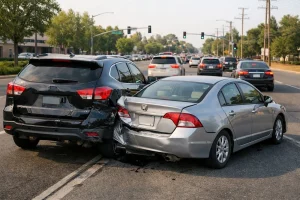
Every day, millions of food deliveries are made across California, often resulting in a significant number of road accidents. As the demand for quick meals grows, so too does the complexity of liability when accidents happen. Understanding how California law addresses these unique incidents is vital for drivers, employers, and victims alike.
In the bustling environment of California, food delivery drivers face countless challenges, including heavy traffic and the stress of meeting tight deadlines. Many drivers may lack the training or experience needed to navigate these pressures safely, increasing the likelihood of accidents. Additionally, the landscape of liability and insurance for delivery drivers is intricate, as it intertwines with significant legal and operational aspects of food delivery services.
In this article, we will explore the various dimensions of food delivery driver accidents in California, including causes and responsibilities, insurance policies, and steps to take following an incident. We aim to help drivers and victims alike understand their rights and options in a rapidly evolving industry, equipping you with the knowledge to navigate these challenges effectively.
Causes of Food Delivery Driver Accidents
Food delivery drivers face unique challenges that increase their risk of accidents on the road. Understanding these causes is crucial for addressing liability and insurance matters in California.
Increased vehicle traffic
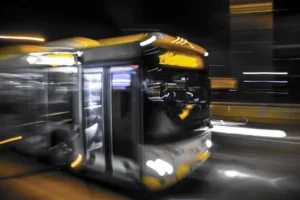
The surge in popular food delivery services has contributed to higher traffic congestion, particularly in large cities like Los Angeles and San Francisco. Deliveries often occur during peak traffic hours, leading to increased collisions due to dense vehicle density on the roads. This influx of delivery vehicles further exacerbates traffic issues, as many individuals opt for delivery services to avoid driving, intensifying road congestion.
Pressure to meet delivery deadlines
Food delivery drivers are under constant pressure to meet tight deadlines, prompting behaviors such as speeding and ignoring traffic signals. The demand for quick deliveries can lead drivers to rush through routes and disregard safety measures, increasing accident risks. Additionally, some drivers are discouraged from taking breaks, leading to fatigue and impaired judgment behind the wheel.
Minimal training and experience of drivers
Food delivery services often employ drivers with limited driving experience, impacting their decision-making and safety on the road. Many drivers lack essential training in safe driving, which can elevate the chances of accidents. Unlike established companies that invest in driver safety training, many independent contractor-based delivery services do not provide adequate guidance, leading to a higher number of minimally trained drivers on the streets.
Understanding Insurance Policies
In California, food delivery drivers face unique challenges when it comes to insurance coverage. Regular personal auto insurance policies typically do not cover accidents occurring during work unless drivers obtain specific coverage add-ons for commercial use. When using a personal vehicle for delivery, the driver’s personal insurance often acts as the primary coverage, with any employer-provided insurance serving as secondary coverage. This dual-layered approach is vital because business use insurance rates are higher due to the increased risks involved.
Overview of insurance types for delivery drivers
Delivery drivers may need to consider various types of insurance to ensure comprehensive coverage. Rideshare insurance is essential for those transporting goods for companies like Uber Eats and DoorDash, as it bridges the gap left by standard personal policies. In addition, commercial auto insurance, non-owned and hired auto insurance, and general liability insurance offer protection against vehicle damages and other liabilities. Most food delivery services provide excess liability insurance, which comes into play after a driver’s personal insurance is exhausted.
Commercial liability coverage
Commercial auto insurance is crucial for delivery drivers, as it includes liability coverage necessary for accidents during business use. Employers using non-owned vehicles for deliveries can also secure non-owned car liability insurance to protect against work-related incidents. Companies might be held vicariously liable for drivers’ negligent actions under the legal theory of respondeat superior, which broadens the scope of their financial responsibility in accidents involving delivery drivers.
Occupational accident coverage
Occupational accident insurance provides critical support for drivers injured during deliveries. Both Postmates and DoorDash offer policies that include medical expenses up to $1,000,000 and death benefits. These policies cushion the financial impact by covering medical bills, income replacement, and even death benefits, supporting drivers even if liability for the accident is undetermined. However, eligibility for these benefits requires drivers to maintain valid personal auto insurance.
Coverage specifics of major companies (Uber Eats, DoorDash, GrubHub)
Insurance coverage can vary by company. Uber Eats offers liability coverage of up to $1,000,000 during active deliveries, whereas DoorDash offers limited liability coverage only during active deliveries. GrubHub does not provide any insurance coverage, leaving drivers dependent on personal policies. It’s noteworthy that Uber Eats also includes uninsured motorist protection, enhancing safety nets for their drivers. Upcoming California legislation in 2025 will require higher minimum coverage levels, but many major delivery services already implement varying levels of coverage depending on a driver’s activity status.
Driver vs. Employer Responsibilities
In California, the principle of vicarious liability means that employers can be held liable for actions of their employees if accidents occur during work-related tasks. However, if a delivery driver was engaged in personal errands or driving recklessly, they may be held personally liable. The timing of the incident is critical, as employer’s insurance can only be involved if the driver was on duty. Although most food delivery companies require drivers to maintain their own liability insurance, many drivers only have minimum coverage, which might not be sufficient. California’s Assembly Bill 5 influences these dynamics by potentially reclassifying gig workers, including food delivery drivers, as employees rather than independent contractors, affecting employer responsibilities for benefits and insurance.
Employee status and its implications
Food delivery drivers in California are typically classified as independent contractors, not employees. This classification means they lack employee benefits such as workers’ compensation. Assembly Bill 5 challenges this by aiming to redefine gig workers as employees, potentially rectifying the loss of critical protections and benefits. Misclassification leads to drivers bearing their own insurance costs, highlighting the financial risks they face after an accident. Since food delivery companies usually don’t cover drivers for work-related injuries, accident victims depend on the driver’s personal insurance. Unfortunately, coverage is often inadequate to meet all medical expenses and damages.
Vehicle usage during delivery
Food delivery drivers use various modes of transportation in California, including cars, bikes, or scooters, each with specific risks. The urgency of delivery tasks and the extended time on the road increase the drivers’ exposure to accidents, involving other drivers, riders, pedestrians, or stationary objects. Regular personal auto insurance policies frequently exclude coverage for commercial tasks, such as deliveries, unless specific endorsements are added. Thus, drivers are advised to secure additional coverage that aligns with the frequent driving their job demands to ensure they have adequate protection during deliveries.
Liability in case of accidents
Food delivery companies in California may be vicariously liable for accidents if drivers are performing work-related tasks. The legal doctrine of respondeat superior makes companies responsible for their drivers’ negligence during job activities. However, liability determinations become complex with the classification of drivers as independent contractors or employees. This classification affects the scope of insurance coverage and the compensation framework. Accident victims, who might include pedestrians and other road users, add layers to the liability considerations for food delivery companies. The recent reclassification laws further complicate these aspects by altering employer responsibilities for coverage.
Steps to Take After an Accident
Food delivery driver accidents can be stressful and overwhelming. By taking the right steps afterward, you can protect your rights and potentially strengthen your claim. It is crucial to not only ensure safety but also meticulously document every aspect of the incident for insurance claims and possible legal proceedings.
Calling the police
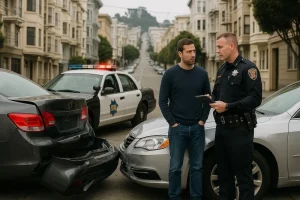
After a food delivery accident, it is essential to call the police immediately. An official police report is necessary for establishing fault and is vital for filing any insurance claims. This report details the accident and provides an unbiased account of what occurred, which is crucial when dealing with insurance companies. Remember to stay at the scene until authorities arrive, as this ensures that everyone receives the necessary medical attention and avoids any legal issues, such as hit and run charges.
Gathering evidence
Gathering evidence at the scene is pivotal for any insurance or legal claims. Take photographs of the vehicles involved and the overall accident scene. Collecting vehicle maintenance records and obtaining witness statements can further establish negligence and liability. Insurance companies rely heavily on solid evidence for their investigations, so having detailed documentation can make a significant difference in determining fault and securing fair compensation.
Seeking legal counsel
Consulting an experienced attorney is a critical step after a food delivery accident. An attorney can navigate the complexities of California’s legal system and help you understand your rights under the pure comparative fault system. This ensures that you can pursue compensation, even if you share some fault. Additionally, legal guidance is vital when dealing with insurance coverages, especially if the other driver is uninsured or underinsured, to avoid out-of-pocket expenses for medical bills and property damage. Engaging legal representation early on can help maximize the potential settlement of your claim.
Navigating Claims Effectively
When dealing with a food delivery driver accident in California, it’s crucial to approach the claims process systematically. Begin by filing a claim against the driver’s personal insurance policy. Only after exhausting this coverage, you should consider pursuing compensation from the food delivery service’s insurance policy. Recent California laws mandate more companies to classify their drivers as employees, increasing the companies’ liability. Acquiring a police report is essential as it substantiates your case against the at-fault party. Engaging an experienced attorney specializing in food delivery accidents can guide you through the process, negotiate effectively with insurance companies, and strive for fair compensation. It’s important to remember that accidents often involve multiple potentially liable parties, including the driver, other motorists, and, occasionally, the delivery service itself, especially if negligent hiring practices are at play.
Importance of Documentation
Documentation is key to strengthening your insurance claim and any future legal proceedings. This involves collecting all relevant materials such as photos from the accident scene, damage records, police reports, and witness statements. Employers should encourage immediate accident reporting and conduct internal investigations to identify causes and improve safety measures. Compliance with state laws on accident reporting is vital, particularly in cases involving injuries or significant property damage. Proper documentation can also address claims against employers regarding vehicle maintenance and safety practices.
Understanding Liability in Claims
Under California law, food delivery companies can be held vicariously liable for their drivers’ negligent actions if the driver was performing company duties at the accident time. However, independent contractors must rely on personal insurance policies, as not all companies offer coverage. Each service, such as Uber Eats, DoorDash, and GrubHub, has different insurance policies affecting claim outcomes. Victims have the right to seek compensation for delivery-related accidents, but insurance companies often aim to reduce payouts. Food delivery drivers must report injuries per company procedures, which is pivotal in claims for work-related compensation.
Potential for Disputes and Negotiations
Determining negligence and liability in food delivery driver accidents can be complex. It requires a detailed examination of driving behaviors, vehicle conditions, and traffic law adherence. Gathering extensive evidence, such as accident reports and witness statements, is crucial for supporting claims of negligence. Both legal authorities and insurance companies play significant roles in investigating these accidents, which can influence dispute resolutions. Drivers may face personal liability if their actions breach company policies or involve unauthorized vehicle use. Clear communication and documented vehicle use policies can help reduce liability disputes for drivers and companies alike.
Protecting Rights of Drivers and Victims
Food delivery drivers in California face unique challenges when it comes to insurance coverage and liability during accidents. Navigating these complexities involves understanding the nuances of personal insurance policies, the coverage offered by food delivery companies, and the rights of both drivers and accident victims. Ensuring that both parties are protected requires awareness and adherence to state laws and insurance regulations.
Legal protections for delivery drivers
Food delivery drivers, often classified as independent contractors, must maintain personal auto insurance. However, these personal policies frequently exclude commercial activities such as delivering food. Companies like Uber Eats and DoorDash offer additional liability coverage, typically up to $1 million, but only during active deliveries. In some incidents, liability might fall on the delivery company under the legal principle of respondeat superior if the driver acts within their occupational scope. Understanding these insurance policies and potential liabilities is essential for drivers to protect themselves.
Rights of accident victims
Accident victims involved in collisions with food delivery drivers have specific rights under California law. They can pursue claims against food delivery businesses for negligence, potentially holding the company vicariously liable for the driver’s negligent actions during deliveries. Victims may seek compensation for medical bills, property damage, and more. Prompt reporting of an accident, along with accurate details, is vital in establishing liability. Engaging experienced legal professionals can ensure that victims navigate insurance claims effectively and achieve fair compensation.
Resources for assistance
Food delivery driver insurance is crucial for protecting not only the drivers but also businesses and restaurants that rely on delivery services. This insurance can provide coverage against accidents involving uninsured or underinsured motorists. Restaurants, ghost kitchens, and food vendors benefit from delivery insurance, which mitigates potential risks. Consulting with food delivery accident attorneys can empower victims, helping them understand their rights and secure compensation. Immediate medical treatment post-accident is critical for health and strengthens injury claims against liable parties.
For Assistance Contact Phoong Law
If you’ve been injured in a food delivery accident in California, it’s crucial to understand your rights and options for seeking compensation. Food delivery drivers face unique risks, and accidents can lead to complex legal situations involving personal vehicles and insurance coverages. Whether it’s bodily injury or property damage, navigating through the maze of insurance policies can be challenging.
Phoong Law specializes in dealing with these intricacies. They can guide you through the process of filing insurance claims and pursuing fair compensation for your injuries and damages. As experienced attorneys, they understand the nuances of California law and can help you determine liability, whether it’s on you or the food delivery company.
For personalized legal assistance, contact Phoong Law at 866-GOT-PAIN. Their expertise can be crucial in ensuring you receive the compensation you deserve, whether through negotiations with insurance companies or in court if necessary. With their guidance, you can focus on recovery while they handle the legal details of your case.
Disclaimer: The information provided in this blog post is for general informational purposes only and does not constitute legal advice. Laws and regulations regarding food delivery driver accidents, liability, and insurance vary by jurisdiction and are subject to change.
Reading this blog does not create an attorney-client relationship. For advice specific to your situation, consult a qualified attorney licensed in your area. Always seek professional legal counsel to understand your rights and options in the event of an accident.













 English
 Español de México