
 ES

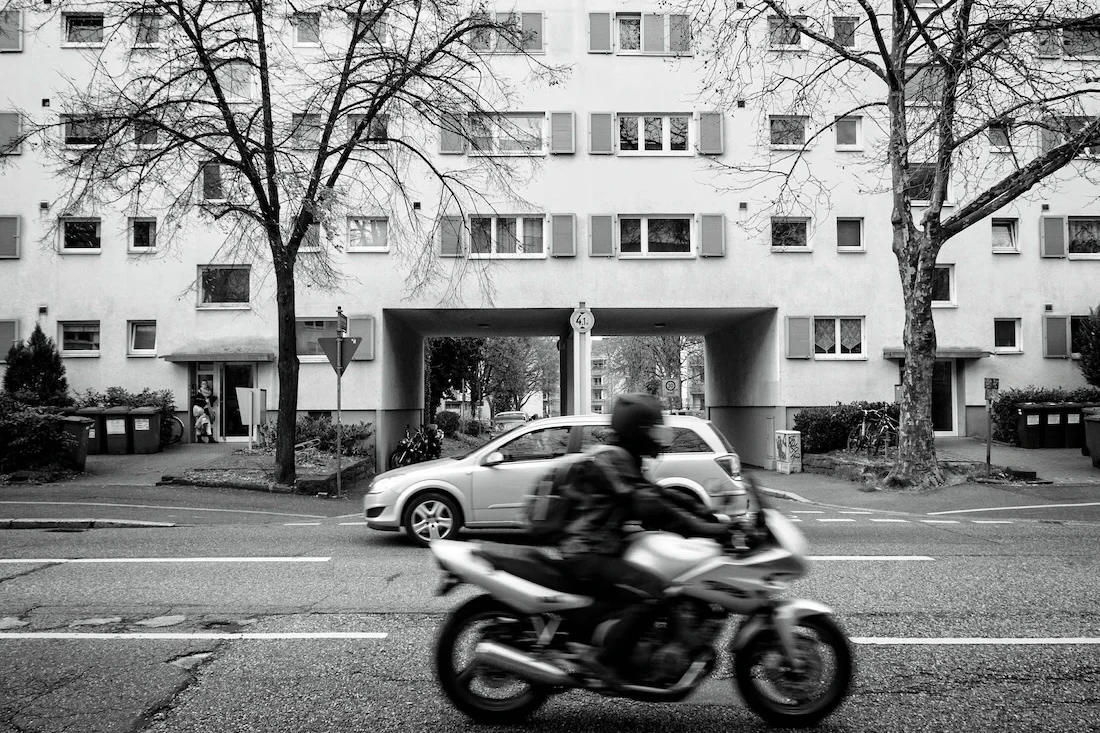
As the sun sets over California’s bustling highways, a unique dance unfolds between motorcyclists and congested traffic. Lane-splitting, the practice of riding a motorcycle between lanes of slow-moving or stopped vehicles, has become a legal reality in the state, promising efficiency and relief for those on two wheels. However, the rise of distracted driving presents a new challenge in this already complex environment.
The California Vehicle Code provides a framework for lane-splitting, yet the guidelines are often misunderstood. With the increasing prevalence of distractions in vehicles—from smartphones to infotainment systems—motorcyclists face heightened dangers while maneuvering through traffic. Understanding the legal landscape and the impact of distraction is crucial for both riders and drivers alike.
This article delves into the intricacies of lane-splitting in California, analyzing the effects of distracted driving on this practice. It will highlight safety challenges, best practices for motorcyclists, and legal considerations, ultimately painting a comprehensive picture of the current risk landscape.
The Legal Landscape of Lane Splitting in California
Lane splitting, also known as lane sharing or lane filtering, is a practice that has generated significant discussion concerning its safety and implications for road users in California. As of January 1, 2017, California stands out as the sole state in the United States where lane splitting is explicitly legal. This was formalized by Assembly Bill 51 in 2016, aiming to clarify the legal standing of this maneuver and provide guidelines for its safe execution.
The practice of lane splitting is intended to enhance safety for motorcycle riders by allowing them to maneuver through heavy traffic conditions with greater ease. It helps in reducing traffic congestion, decreasing travel times, and minimizing the risk of rear-end collisions. However, the presence of distracted drivers and varying traffic conditions on California highways present new risks for motorcyclists who engage in this risky maneuver.
Overview of California Vehicle Code
The California Vehicle Code (CVC) is a critical document that outlines the rules and regulations governing road use in the state. While the CVC does not explicitly prohibit lane splitting, it recognizes the practice under Section 21658.1. This section defines lane splitting as a motorcyclist riding between rows of stopped or moving vehicles in the same lane. This applies to different types of roads, from undivided streets to multi-lane highways.
The California Highway Patrol (CHP) holds the responsibility to craft educational guidelines that ensure the safety of motorcyclists and surrounding road users. These guidelines recommend that motorcyclists only engage in lane splitting when the flow of traffic is 30 mph or less, and the speed differential is no more than 10 mph faster than surrounding vehicles. Despite being legal, lane splitting exists in a gray area that often complicates liability determinations in motorcycle accidents involving lane-splitting practices.
Definition and Guidelines for Lane Splitting
Lane splitting is a maneuver where motorcyclists navigate between lanes of slow-moving or stopped traffic, typically in congested areas. This strategy aims to improve travel flow and reduce commute times. However, the practice comes with inherent risks, especially in the age of distracted driving and dense traffic conditions.
To ensure safe lane splitting, motorcyclists are encouraged to:
- Avoid splitting in poor weather conditions, such as rain or fog, and be cautious of slippery or obstructed road surfaces.
- Maintain constant awareness of surrounding vehicles, anticipating potential movements to enable quick reactions.
- Adhere to the CHP’s guideline by riding at a speed no more than 10 mph faster than the surrounding traffic when lane splitting.
- Enhance their visibility to other motorists by wearing brightly colored or reflective gear and utilizing headlights, even during daytime hours.
Proper adherence to these guidelines can mitigate the risk of accidents and improve the overall safety of the maneuver. However, motorcyclists must remain vigilant of distracted drivers, who often fail to notice lane-splitting motorcycles in their blind spots, increasing the potential for collisions on California highways.
The Impact of Distracted Driving on Lane Splitting
In the age of distracted driving, lane splitting—a practice where motorcycle riders weave between lanes of slow-moving or stopped traffic—poses both potential advantages and added risks on California highways. While lane splitting can help motorcyclists avoid being rear-ended or struck when drivers unexpectedly merge into their lanes, distracted driving notably heightens the risk of accidents. This is especially pertinent as many motorcycle accidents occur during lane splitting, chiefly when distracted drivers are involved. As seen in many instances, motorcyclists are substantially vulnerable to being hit due to inattentive drivers. Distracted driving, especially at higher speeds, significantly undermines the safety benefits of lane splitting, emphasizing the critical need for attentive driving among all road users.
Statistical Insights on Distracted Driving
The alarming prevalence of distracted driving in California has led to numerous incidents involving motorcycles. According to the California Office of Traffic Safety, even momentary lapses in attention from drivers can result in fatal consequences for motorcyclists. In scenarios where shared responsibility is acknowledged, California’s comparative fault system allows injured motorcyclists to pursue compensation for accidents. Still, the extent of compensation depends on the degree of fault each party carries. For motorcyclists, many of whom navigate through dense and unpredictable traffic conditions, life-altering consequences often follow accidents influenced by distracted driving.
Common Distractions Faced by Drivers
Distracted driving, often caused by phone use or other in-car activities, significantly threatens motorcyclists. These distractions often result in drivers failing to scan their surroundings, making hasty lane changes without signaling, and inconsistencies that escalate risk situations for others on the road. Studies have shown that about 29% of motorcycle crashes are attributed to speeding and reckless driving, accentuated by distracted behaviors. Such negligence often results in unexpected lane changes and increased rear-end incidents, underscoring the critical role of driver attentiveness for the safe practice of lane splitting.
How Distracted Driving Affects Motorcyclists
Distracted drivers present an unequivocal threat to the safety of motorcyclists on California roads. The likelihood of motorcyclists being rear-ended by inattentive drivers is significantly heightened, particularly when they are stationary or sluggish in traffic. Lane splitting, however, can serve as a protective measure, as it allows motorcyclists to maneuver away from potential hazards posed by larger vehicles behind them. Studies suggest that the risk of head injuries decreases from 17 percent to 9 percent when lane splitting is executed safely, illustrating how maneuverability in traffic can mitigate impacts from distracted drivers. California, recognizing the safety benefits, has implemented lane-splitting legislation to help motorcyclists avoid potential collisions in congested traffic scenarios.
Table: Distracted Driving and Accident Statistics
Factor | Impact on Motorcycle Accidents |
|---|---|
Percentage of crashes involving lane splitting | High, especially with distracted drivers |
Reduction in head injury risk when lane splitting | From 17% to 9% when safely executed |
Contribution of speeding/reckless driving to crashes | 29% overall, heightened by distractions |
This table underscores how distractions among drivers are a significant determinant in motorcycle accidents, particularly during lane splitting. Implementing safe practices and adhering to traffic laws can mitigate these risks substantially.
Safety Challenges Related to Lane Splitting
Lane splitting, also known as lane filtering, is a common practice among motorcyclists, particularly in high-congestion areas such as California highways. While it offers numerous advantages, it also presents several safety challenges that both motorcyclists and other road users need to recognize to mitigate the risk of accidents.
Increased Risk of Accidents
The practice of lane splitting can significantly heighten the risk of motorcycle accidents, especially at higher speeds. A study from UC Berkeley revealed that lane splitting was involved in 17% of motorcycle accidents over a two-year period. This highlights the inherent risks associated with the practice, particularly when executed improperly. The likelihood of accidents and injuries climbs steeply when motorcycles move at speeds over 50 mph or when there’s a speed differential greater than 15 mph compared to surrounding traffic. Riders are more prone to rear-end collisions when speeding or when other drivers are unaware of their presence, partly due to low public awareness—about half of California drivers remain unsure of lane splitting’s legality. This low awareness leads to unexpected lane changes and side collisions, increasing the chances of an accident.
Navigating Crowded Roadways
In crowded urban roadways, lane splitting serves as a tool to alleviate traffic congestion. By enabling motorcycles to maneuver between lanes of stopped or slow-moving vehicles, it can improve the overall flow of traffic. Motorcyclists benefit from reduced risk of rear-end collisions common in stop-and-go traffic situations, and it can also enhance visibility and mobility, allowing riders to better anticipate traffic threats. Additionally, legalizing lane splitting has been linked to decreased rear-end collisions caused by distracted drivers, especially in high-volume traffic conditions. Environmental benefits also accompany lane splitting, as motorcycles spend less time idling, reducing fuel consumption and emissions.
Awareness and Visibility Issues
Visibility remains a crucial factor for the safety of motorcyclists engaging in lane splitting. High visibility gear and reflective clothing are recommended to make riders more noticeable to other drivers. Activating headlights even during daylight and using turn signals when changing lanes can enhance a motorcyclist’s visibility in traffic. Many drivers, perhaps unaware or unsupportive of the practice, may exhibit unpredictable or aggressive behaviors, posing additional challenges for riders. Poor visibility conditions, such as during nighttime or adverse weather, further complicate the situation by making it difficult for both riders to identify road hazards and for other drivers to notice them. Therefore, motorcyclists must constantly check mirrors and remain acutely aware of their surroundings, being mindful of other vehicles and fellow motorcyclists who are also lane splitting.
In conclusion, while lane splitting has practical benefits in terms of reducing travel time and easing congestion, the associated safety challenges cannot be overlooked. Through a combination of increased public awareness, responsible riding practices, and vigilance, the risks can be effectively managed to enhance road safety for all users.
Best Practices for Motorcyclists When Lane Splitting
Lane splitting, also known as lane sharing or lane filtering, allows motorcyclists to navigate through congested traffic by riding between lanes of slow-moving or stopped vehicles. It is a common practice in California, but it requires motorcyclists to exercise caution and adhere to specific guidelines to ensure safety and minimize the risk of motorcycle accidents.
Tips for Safe Lane Splitting
When lane splitting, motorcyclists should prioritize safety by following these key strategies:
- Speed Management: Maintain a speed that is no more than 10 mph faster than the surrounding traffic. This controlled speed differential helps minimize the risk of collisions and allows riders to react swiftly to sudden changes in traffic conditions.
- Visibility: Use bright or reflective gear to increase visibility. This makes motorcyclists more noticeable to other drivers, reducing the chance of being caught in blind spots.
- Weather Considerations: Avoid lane splitting in adverse weather conditions such as rain or fog, and steer clear of uneven, slippery, or obstructed road surfaces. Poor weather significantly elevates the risk of accidents.
- Defensive Riding: Exercise constant vigilance, particularly in heavy traffic or poor visibility. It’s crucial for motorcyclists to anticipate the actions of other road users and prepare to respond to sudden lane changes.
Importance of Situational Awareness
Situational awareness is vital for all motorcyclists, especially when splitting lanes in high-traffic areas:
- Intersections: Be extra cautious at intersections, where the likelihood of collisions increases due to left-turning vehicles. Maintaining awareness can help motorcyclists predict potential misjudgments by car drivers.
- Proactive Behavior: Actively signal your presence with high visibility gear and appropriate signals. This practice enhances a motorcyclist’s visibility, helping to prevent accidents.
- Defensive Tactics: Employ defensive riding strategies in high-traffic areas, maintaining a keen awareness of the traffic flow and the actions of other road users.
Understanding Driver Behavior
The behavior and awareness of car drivers play a critical role in the safety of motorcyclists, especially in the context of lane splitting:
- Variable Reactions: Drivers’ reactions to lane splitting can vary. While some drivers might accept and accommodate the practice, others may be surprised or irritated, leading to unpredictable behavior.
- Empathy Imbalance: There’s often a disconnect, known as empathy imbalance, where car drivers might misinterpret the motives of motorcyclists or fail to understand safe riding practices.
- Distracted Driving: Distracted driving increases the risk of accidents. Motorcyclists should remain aware of this risk, especially in challenging traffic conditions due to road hazards or inexperienced drivers.
- Legal Framework: Under California’s comparative fault system, motorcyclists injured by distracted drivers can seek compensation. However, the compensation may be affected by the shared responsibility of all parties involved.
By adhering to these best practices and staying aware of both environmental conditions and the behavior of other drivers, motorcyclists can navigate California highways more safely, despite the increasing prevalence of distracted driving.
Legal Considerations for Motorcyclists
In California, the practice of lane splitting remains a legal maneuver for motorcycle riders navigating through the traffic congestion of busy highways. This practice, often employed in heavy traffic conditions, requires a savvy understanding of the law to maintain road safety and avoid legal troubles. Motorcyclists must consider various legal aspects to fully benefit from this practice while adhering to California’s traffic laws and regulations.
Rights and Responsibilities
Motorcyclists hold rights equivalent to other road users, ensuring equal protection under the law. To legally ride in California, all motorcyclists must acquire a special motorcycle license, which requires obtaining a learners permit. Additionally, riders under 21 must complete a California Highway Patrol (CHP) approved training course before being granted a full license.
California law follows a comparative negligence system, where all involved parties in an accident share responsibility based on their contribution to the event. Motorcycles must also meet operational standards, having appropriate lighting and mirrors, yet unlike cars, they do not undergo mandatory safety or emissions inspections for personal use.
Potential Legal Consequences of Lane Splitting
While lane splitting grants motorcyclists the advantage of reducing travel time and maintaining a steady flow of traffic, it comes with potential legal risks. Motorcyclists can face traffic citations for reckless driving or unsafe passing if they do not adhere to proper lane splitting techniques. Repeat violations could lead to the suspension or revocation of their motorcycle license.
Compensation claims in motorcycle accidents related to lane splitting can be impacted under California’s comparative negligence rule. If found partially at fault, a motorcyclist may see a reduction in personal injury claim compensation. Following the CHP’s guidelines—encouraging lane splitting only at speeds of 40 mph or less and at a maximum of 10 mph faster than the flow of traffic—is crucial to circumvent legal issues.
Moreover, motorists are prohibited from obstructing lanes in a manner that hinders motorcyclists engaged in lane splitting. Violating this rule can invite legal consequences, emphasizing the importance of harmony among all road users on California’s highways.
Government and Community Resources
In the bustling traffic conditions of California, lane splitting has become a significant topic of discussion and regulation. Under California Vehicle Code Section 21658.1, lane splitting is specifically defined and permitted, making California the only state in the U.S. to formally recognize this practice. The intention behind this legislation is to alleviate traffic congestion by allowing motorcycles to navigate more efficiently through the heavy traffic that plagues many Californian highways and streets.
The California Highway Patrol (CHP) plays a crucial role in ensuring that lane splitting is conducted safely and responsibly. They collaborate with the California Department of Motor Vehicles and other agencies to develop educational guidelines that emphasize safe practices for both motorcycle riders and other road users. These efforts are a part of a larger strategy to improve road safety measures and decrease the risk of motorcycle accidents associated with lane splitting.
Availability of Safety Programs
California’s approach to lane splitting is not just about legislation; it is also about education and cooperation among all motorists. The state has implemented various safety programs that focus on cooperation and shared responsibility to reduce lane-splitting accidents. Assembly Bill 51 empowers the CHP to establish safety guidelines specifically for lane splitting, ensuring that motorcyclists can perform this maneuver safely and legally.
For motorcyclists under 21, completing a CHP-approved motorcycle training course is mandatory before obtaining their first motorcycle license. These training courses, part of the California Motorcycle Safety Program, are designed to engrain safe riding habits and awareness of the specific traffic laws related to lane splitting. In areas like Pasadena, safety measures extend beyond training and include advice to wear protective gear, remain visible, and diligently adhere to traffic laws.
The CHP has released “Lane Splitting Safety Tips,” addressing the dangers inherent in the practice, particularly at higher speed differentials. These tips are part of a broader effort to educate motorcycle riders about maintaining safety while lane splitting to reduce their risk of accidents.
Local Laws and Regulations
The legal landscape for lane splitting varies significantly across the United States, with California standing alone in its explicit allowance of the practice. The formalization of California’s lane splitting law was achieved with the passage of Assembly Bill 51 in 2016, providing a clear legal framework for what was previously a gray area.
According to California Vehicle Code 21658.1, lane splitting is defined as a motorcyclist riding between rows of stopped or moving vehicles in the same lane. This legal definition, along with educational efforts, aims to create a safer environment for all road users, mitigating the risks associated with the practice.
The CHP, along with other state departments like the Department of Motor Vehicles and the Department of Transportation, ensures that these regulations are communicated effectively. Lane splitting not only helps to alleviate traffic congestion but also reduces the incidence of rear-end collisions, particularly in densely populated areas like Los Angeles. As traffic speeds and road conditions continue to evolve, these regulations and educational initiatives play a key role in maintaining the safety and flow of traffic on California highways and streets.
Future Trends in Lane Splitting Legislation
Lane splitting, historically a gray area within traffic regulations, has become a focal point in discussions surrounding motorcycle safety and traffic management. California stands as the only U.S. state where lane splitting is explicitly legalized, thanks to Assembly Bill 51, which was enacted in 2016. This legislation sought to clarify the legal standing of lane splitting and establish guidelines for safe execution by motorcycle riders. The California Highway Patrol has since developed specific safety guidelines recommending that this practice should occur when traffic is moving at speeds of 40 mph or less, with motorcyclists not exceeding a 10 mph speed differential over surrounding vehicles. As interest in lane splitting grows, states such as Utah, Montana, Arizona, and Hawaii have begun to experiment with legalizing various forms of the practice, aiming to address traffic congestion and enhance road safety.
Insights into Legislative Changes in 2024
By 2024, California continues to refine its lane splitting regulations, solidifying its position as a leading advocate for this traffic management tool in the U.S. The California Vehicle Code outlines precise rules for lane splitting, emphasizing safe speeds and conditions to mitigate the risks associated with this maneuver. Proponents argue that lane splitting can reduce the likelihood of rear-end collisions, improve overall traffic flow, and decrease travel times for motorcyclists when executed properly. However, challenges remain, particularly with the prevalence of distracted driving behaviors among other road users, which can significantly increase the risk of lane-splitting accidents. Ongoing legislative discussions in California focus on enhancing safety measures, improving motorcyclist visibility, and increasing public awareness to address these concerns effectively.
Potential Shifts in Public Perception
Public perception of lane splitting in California reflects a diverse array of opinions. For motorcyclists, the ability to navigate through congested traffic offers a means to enhance safety by reducing the risk of being rear-ended. However, this practice can also spark controversy, as many motorists perceive lane splitting as dangerous, necessitating increased caution, especially for larger vehicles. Research indicates that the danger of lane splitting amplifies when motorcyclists exceed a 10 mph speed differential in dense traffic conditions. As more states consider legalizing lane splitting, the national conversation is likely to evolve, potentially fostering a broader acceptance of the practice as a legitimate tool to improve traffic conditions. As educational guidelines and data on the benefits continue to spread, public sentiment may gradually shift towards recognizing the advantages of safe lane splitting for efficient traffic flow and reduced congestion.
Phoong Law Can Help
Phoong Law is dedicated to assisting individuals who have experienced pain and suffering due to accidents or negligence. Specializing in personal injury cases, they offer compassionate and knowledgeable legal representation to help you navigate your legal journey.
Why Choose Phoong Law?
- Expertise: With extensive experience in personal injury law, their team knows how to handle complex cases involving car accidents, workplace injuries, and more.
- Personalized Attention: Phoong Law provides tailored legal services to meet your unique needs and circumstances.
- Results-Driven: Committed to achieving the best possible outcomes, their team works tirelessly to ensure fair compensation for your pain and suffering.
Contact Information:
- Reach out for a consultation at 866-GOT-PAIN.
In addition to their exceptional legal services, Phoong Law offers a comprehensive approach to client care by ensuring open communication and regular updates on your case progress. If you have been injured and need strong advocates on your side, consider contacting Phoong Law today. They are ready to help you through every step of your legal journey, ensuring your rights are protected and that you receive the justice you deserve.
Disclaimer: This blog post is for informational purposes only and does not constitute legal advice. While lane-splitting is legal in California under Vehicle Code Section 21658.1, the information provided may not reflect the most current legal developments, court decisions, or CHP guidelines regarding motorcycle operation and distracted driving laws. Safety recommendations and legal considerations discussed here are general in nature. No attorney-client relationship is created by reading this content. Each motorcycle accident case involving lane-splitting and distracted driving presents unique circumstances that require individual legal evaluation. For advice about your specific situation, please contact Phoong Law directly to schedule a consultation with one of our experienced motorcycle accident attorneys.














 English
 Español de México