
 ES

When recovering from an accident, it can be overwhelming to understand the compensation you may be entitled to. In the busy legal landscapes of California and Nevada, Phoong Law has become a trusted resource for accident victims pursuing justice. Known for their skill in handling a wide range of personal injury claims, including serious vehicle collisions and traumatic brain injuries, Phoong Law is committed to guiding clients through the complex compensation process with clarity and care.
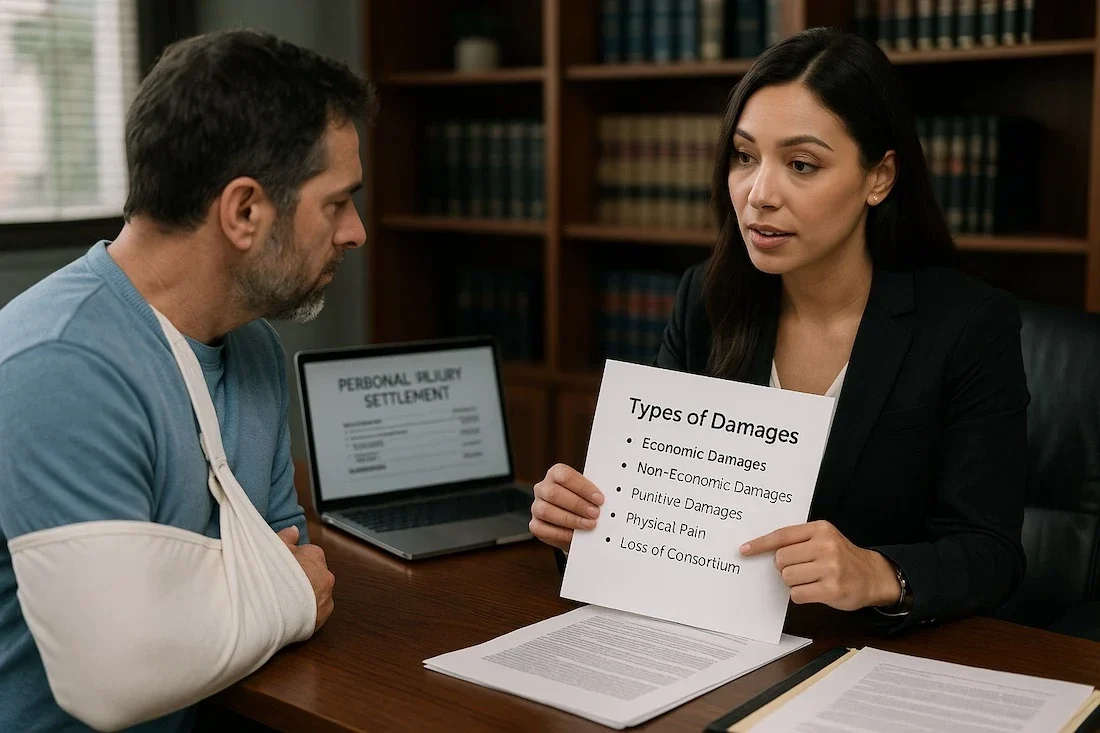
Economic and non-economic damages form the foundation of compensation in personal injury cases, covering tangible losses like medical bills and lost income, as well as intangible harm such as pain, emotional distress, and loss of enjoyment of life. In certain cases, punitive damages may also be awarded to punish defendants for malicious, oppressive, or fraudulent conduct. Factors such as injury severity, liability, and insurance coverage significantly influence the total compensation awarded. With a deep understanding of these legal and practical components, Phoong Law ensures every case is thoroughly evaluated to help clients pursue the maximum recovery they are entitled to.
Discover the types of damages that can be recovered in California personal injury cases and how Phoong Law helps clients pursue them. With expert guidance and advanced tools, Phoong Law provides clarity and dependable support throughout the legal process.
Key Takeaways
Personal injury victims in California and Nevada may be entitled to multiple types of damages including medical expenses, lost wages, pain and suffering, emotional distress, and property damage. Phoong Law helps clients pursue fair compensation by evaluating economic, non-economic, and even punitive damages when applicable. Understanding comparative negligence, damage caps, and emotional distress claims is essential to maximizing recovery in personal injury lawsuits.
Understanding Economic Damages
In California personal injury cases, economic damages are crucial for compensating financial losses suffered due to an injury. These damages cover immediate and future costs, providing concrete monetary support. Economic damages include medical expenses, property damage, lost wages, and loss of future earnings. Unlike non-economic damages, which cover emotional and subjective losses, economic damages focus on tangible financial impacts. They are key in assessing the total value of a claim, as they represent a vital aspect of compensatory damages. A personal injury lawyer from Phoong Law can navigate these complexities to ensure victims get fair compensation.
Medical Expenses
Medical expenses form a significant part of economic damages in personal injury claims. They aim to compensate the injured for the immediate and long-term costs of treatment. The extent of physical injuries can influence future medical expenses, making accurate estimation vital for fair compensation. Receiving a low initial settlement offer can lead to underestimating future costs. Consulting a personal injury lawyer ensures that victims understand and claim full compensation for these vital expenses. Medical expenses are pivotal in calculating the total value of a personal injury claim, providing a clear picture of the financial impact.
Property Damage
Property damage is another critical component of economic damages in personal injury cases. When insurance companies refuse to cover legitimate claims, victims may face significant out-of-pocket expenses. Identifying who is liable and understanding the events leading to the damage is crucial for pursuing a successful property damage lawsuit. In California, lawsuits must be filed in the proper county, either where the damage occurred or where the defendant resides or operates a business. Adhering to these jurisdictional requirements ensures the case proceeds in a suitable venue, enabling victims to seek proper recourse and compensation.
Loss of Future Earnings
Loss of future earnings is an essential element of economic damages, calculated by assessing the victim’s age, job, work history, and potential future income. This aspect compensates individuals for financial losses resulting from their injuries. The severity of the injury plays a role in these calculations, as more severe injuries often have greater impacts on work ability and earning potential. Evaluating loss of future earnings involves considering the plaintiff’s inability to work at full capacity. This can significantly affect the compensation sought, as it aims to cover the impact on the victim’s financial future.
Earning Capacity Loss
Earning capacity loss addresses potential financial losses due to the injured person’s diminished ability to work. This calculation considers various factors, including age, job, work history, and future earning potential. An injury’s severity impacts how future earning capacity is assessed, affecting both financial stability and career prospects. In non-physical injury cases, the loss of business income and employment benefits is also considered. This comprehensive evaluation ensures that the economic damages awarded adequately compensate the injured for long-term financial impacts, safeguarding their financial future after the injury.
Exploring Non-Economic Damages
In California personal injury cases, non-economic damages play a crucial role in compensating victims for losses that aren’t directly financial. These damages address intangible aspects of injuries, like emotional distress and psychological impacts, that can significantly alter a person’s quality of life. While economic damages are concrete and easily quantified through financial records, non-economic damages require careful, subjective evaluation. Factors such as anxiety, depression, and overall emotional disturbance are considered when assessing these damages. Each case is unique, and the compensation for non-economic damages varies based on the individual circumstances of the injury sustained.
Physical Pain and Suffering
Compensation for physical pain and suffering in California personal injury cases is vital. It accounts for both the tangible and intangible effects of injuries on a person’s life. Detailed medical records and compelling witness testimony are essential to support these claims. The severity and long-term impact of physical injuries often dictate the level of compensation awarded. More severe injuries tend to increase the damages assessed for pain and suffering. California’s legal framework enables victims to seek reimbursement for the full scope of physical, emotional, and psychological trauma they undergo following injuries.
Emotional Pain and Suffering
Emotional distress is a significant component of non-economic damages in California personal injury cases. Even in the absence of physical injuries, victims may be entitled to compensation for psychological harm such as anxiety, depression, fear, or humiliation. To recover damages for emotional distress, plaintiffs must demonstrate that the distress was caused by the defendant’s negligent or intentional conduct. This often requires supporting evidence, including testimony from mental health professionals to validate conditions like PTSD or chronic insomnia. In most cases, compensation for pain and suffering—including emotional distress—is not considered taxable, offering additional relief to those affected.
Loss of Consortium
Loss of consortium compensates the spouse of the injured party for damages impacting their relationship. Serious injuries can drastically alter marital bonds, causing emotional and practical losses for the non-injured spouse. This category of non-economic damage acknowledges the diminished capacity to share love, companionship, and support. Demonstrating loss of consortium requires showing how the marriage has been affected by the injury. Successful claims focus on non-economic damages suffered by the non-injured spouse, emphasizing the broader impact on the family unit beyond the directly harmed individual.
Loss of Enjoyment of Life
Loss of enjoyment of life is a non-economic damage that acknowledges the impact injuries have on a person’s ability to enjoy daily activities. This aspect of damages focuses on how someone’s overall quality of life has been affected following an injury. Factors such as the severity and long-term effects of injuries influence the value of these claims. In California, courts consider this loss when calculating compensation for emotional and psychological impacts. There is no statutory cap on non-economic damages in vehicle accident cases in California, allowing victims to pursue adequate compensation for significant losses in enjoyment of life due to their injuries.
Examining Punitive Damages
In California personal injury cases, punitive damages are a powerful tool used to punish defendants for egregious behavior and deter similar actions in the future. Unlike compensatory damages, which aim to cover a victim’s losses, punitive damages focus on the wrongdoer’s misconduct. They are meant to serve as a societal deterrent, making sure that such behavior is not repeated. Awarding punitive damages requires strong proof, different from the standard required for a typical negligence case. Phoong Law, known for its knowledge in personal injury claims, navigates these complex legal waters to help clients understand and pursue punitive damages when appropriate. Let’s delve deeper into the criteria and purpose of these legal measures.
Criteria for Awarding Punitive Damages
The criteria for awarding punitive damages in California are quite strict. Under California Civil Code 3294, these damages demand clear and convincing evidence of malice, oppression, or fraud by the defendant. Malice involves a deliberate disregard for others’ rights or safety, qualifying for punitive penalties. Meanwhile, oppression covers behavior that subjects a person to harsh and unjust hardship. Finally, fraud involves a deliberate misrepresentation made by the defendant. Each of these grounds must be shown with compelling evidence, setting a high standard for plaintiffs. Phoong Law aids clients in gathering and presenting the necessary proof to meet these demanding criteria.
Purpose of Punitive Damages
Punitive damages in California aim to punish misconduct and deter future wrongful behavior. These damages are different from compensatory ones, as they focus on discipline rather than recompense. According to California Civil Code 3294, plaintiffs must show intentional, harmful behavior to secure punitive damages. Such damages are taxable in California, unlike their compensatory counterparts. In Sacramento, they also go by the name “exemplary damages,” emphasizing their broader societal goal of setting an example. By understanding this distinction, Phoong Law can effectively guide individuals through seeking punitive damages in their personal injury cases.
Factors Influencing Damage Recovery
In California personal injury cases, several factors influence the recovery of damages. Recovery can include both economic and non-economic compensation. Economic damages cover quantifiable losses such as medical expenses and lost wages. Non-economic damages account for pain and suffering, as well as emotional distress. The determination of liability, including the defendant’s negligence, can impact the compensation amount. It is crucial to establish where the lawsuit is filed, which is influenced by the location of the injury and the residences of those involved. The long-term impact of the injuries on a victim’s life can also affect the compensation. Understanding these factors is key to securing appropriate damages.
Severity of Injury
The severity of an injury plays a vital role in a personal injury claim. More severe injuries typically lead to higher compensation. This is due to the long-term effects these injuries can have on the victim’s quality of life. For example, permanent spinal injuries may require ongoing medical care. As a result, they contribute to higher future medical costs in claims. Additionally, these injuries can result in future lost income due to the inability to work. The emotional distress from such injuries is also taken into account when determining compensation.
Liability Assessment
Liability assessment is crucial in a personal injury case. It involves proving that the defendant’s negligence caused harm to the plaintiff. Establishing liability requires evidence that the defendant had a duty of care, which they breached, leading to the plaintiff’s injury. This means demonstrating that the injuries are a direct result of the defendant’s actions. Gathering strong evidence is essential to support the claim. This aspect of personal injury law helps ensure that the injured party receives proper compensation for their losses.
Insurance Coverage
Insurance coverage can greatly affect the compensation received in a personal injury case. Insurance companies often question claims, suggesting pre-existing conditions as causes for current suffering. California law sets minimum insurance requirements, which can limit the maximum recoverable damages. Accident victims might unknowingly accept a low settlement, underestimating future medical costs. A personal injury attorney can help negotiate better outcomes with insurance providers. Their experience ensures that victims avoid settling for less than they deserve. Coverage limitations play a significant role in the final compensation.
Emotional Distress Claims
Emotional distress claims are an important component of personal injury cases in California. These claims typically fall under either negligent infliction of emotional distress (NIED) or intentional infliction of emotional distress (IIED). NIED requires showing that the defendant acted without reasonable care, causing emotional harm, while IIED involves proving that the defendant’s conduct was extreme, outrageous, and intended to cause psychological trauma.
California law permits compensation for emotional distress even in the absence of physical injuries. Symptoms such as anxiety, depression, and humiliation are compensable, but establishing these claims often requires testimony from mental health professionals. Valuing emotional distress remains complex due to the subjective nature of these injuries and the lack of fixed standards for assessment.The Role of Comparative Negligence
In California, comparative negligence is a key legal principle in personal injury cases. It allows plaintiffs to recover damages even if they are partially at fault for the accident. However, their compensation is reduced in proportion to their percentage of fault. For example, if a plaintiff is found 20% responsible, their total recovery will be reduced by 20%. Understanding how comparative negligence applies is essential, as it directly impacts the final amount a plaintiff may receive.
Definition and Application
Under California’s comparative negligence model, even if a plaintiff is up to 99% responsible for an accident, they can still recover damages. The percentage of fault is assessed using available evidence, including witness statements, accident reports, and expert testimony. This method ensures a fair distribution of financial liability based on each party’s role in the incident. Successfully applying this concept requires a detailed legal strategy to minimize the fault percentage attributed to the plaintiff. This ensures that the compensation accurately reflects the other parties’ contributions to the accident.
Impact on Compensation
Compensation in personal injury cases is influenced by both compensatory and non-compensatory damages. Compensatory damages cover tangible losses such as medical expenses and lost wages, while non-economic damages address pain, suffering, and emotional distress. For injuries with long-term or permanent effects, like traumatic brain injuries, the compensation can be significantly higher due to ongoing medical needs and potential loss of income. In such cases, having a knowledgeable personal injury lawyer, such as Phoong Law, can be invaluable. They understand the complexities of establishing fault and pursuing adequate compensation. Their capabilities can help ensure you receive the full extent of damages to which you are entitled, accounting for all aspects of your injury and its implications.
Jury Perceptions in Personal Injury Cases
Jury perceptions play a pivotal role in the outcomes of California personal injury cases. Understanding how a jury might interpret the severity and long-term implications of injuries can significantly affect compensation. When evidence is clear and convincing, particularly when it includes information about the defendant’s conduct involving fraud or malice, the jury may be inclined to award punitive damages. The presentation of compelling evidence for pain and suffering, backed by detailed records and credible witness statements, can positively influence the jury’s views in favor of the plaintiff. Additionally, the jury considers factors like the statute of limitations when assessing the legitimacy of the plaintiff’s claims. By appreciating these elements, plaintiffs can better navigate the trial process and potentially secure more favorable outcomes.
Influence on Damage Awards
In California personal injury cases, the severity and long-lasting impact of physical injuries are vital elements that influence compensation. Economic damages such as medical expenses and lost wages form the primary basis for compensatory damage awards. These damages are calculated based on concrete financial losses experienced by the plaintiff. Beyond these tangible losses, non-economic damages like pain and suffering, emotional distress, and loss of enjoyment of life add considerable value to the compensatory awards. Comparative fault analysis also plays a critical role by assessing the degree of responsibility of each party involved, which can adjust the final compensation. The presence and evaluations made by insurance adjusters can further impact these outcomes, often influencing both the perception of the plaintiff’s claims and the ultimate compensation awarded.
Strategies for Managing Jury Perception
Managing jury perceptions effectively in personal injury cases can significantly influence damage awards. Visible injuries that are clearly demonstrated can lead to higher compensation, as juries are often more sympathetic when they can see tangible evidence of harm. Emotional appeal is another powerful strategy; when the jury empathizes with the plaintiff’s suffering, they may be more inclined to award higher damages. It’s critical to maintain credibility throughout the case, as exaggerating claims can severely undermine the plaintiff’s position. The perceived innocence of the defendant, along with dramatic elements of the accident, can sway jury decisions unpredictably. Employing a strategic legal approach is crucial, as it helps navigate the psychological and emotional components that can influence jury perceptions and, ultimately, the case outcome.
Navigating Damage Caps in California
When pursuing a personal injury case in California, understanding the limits on damages is essential. Different types of damages can be recovered, including economic and non-economic, with specific rules and guidelines affecting each. Economic damages relate to quantifiable losses like medical bills and lost wages. Non-economic damages cover more intangible losses, like pain and suffering. However, these non-economic damages can sometimes be subject to caps. Laws like the Medical Injury Compensation Reform Act (MICRA) set specific limits in certain cases, highlighting the importance of understanding these legal nuances.
Understanding Legal Limitations
In California, personal injury claims must be filed within a specific timeframe due to the statute of limitations. Generally, a claim has to be filed within two years from the date of the injury. This rule ensures that cases are brought forward while evidence is still fresh and available. However, there are exceptions to this rule. For instance, if a government entity is involved, a notice of claim must be filed within six months. It’s crucial for individuals to adhere to these deadlines. Missing the timeframe could result in the loss of the right to pursue compensation, making it vital to seek legal advice promptly.
Potential Caps on Non-Economic Damages
Non-economic damages in California personal injury cases often include compensation for emotional distress, pain and suffering, and loss of enjoyment of life. While there is no cap on non-economic damages in standard car accident claims, other types of cases may be subject to limitations. For instance, in California medical malpractice cases, non-economic damages are capped at $250,000 under the Medical Injury Compensation Reform Act (MICRA). Proving pain and suffering typically requires detailed documentation, such as medical records and personal testimony. Punitive damages, which are separate from compensatory damages, are generally limited by constitutional guidelines and must be proportionate to the actual harm. Understanding these distinctions with the guidance of experienced legal counsel is essential for maximizing recovery in a personal injury lawsuit.
Phoong Law’s Experience in California Jurisdictions
Phoong Law is a dedicated personal injury law firm serving various California locations, including Sacramento, San Francisco, Oakland, and Stockton. They focus on advocating for the rights of accident victims throughout the state. The firm offers free consultations, allowing individuals to discuss their cases and understand the types of damages they can recover, such as medical expenses, lost wages, property damage, and pain and suffering.
Phoong Law specializes in securing compensation for both economic and non-economic damages. Economic damages cover tangible costs like medical bills and lost wages. Non-economic damages include compensation for pain and suffering, emotional distress, and loss of enjoyment of life.
Their team is skilled in handling different personal injury cases. These include car accidents, motorcycle accidents, slip and fall incidents, and more. With a commitment to personalized care, Phoong Law ensures clients are guided through every step of the legal process.
Here’s a brief list of damages you can recover with Phoong Law:
- Medical expenses
- Lost wages
- Property damage
- Pain and suffering
For those interested in pursuing a personal injury claim, contact Phoong Law at 866-GOT-PAIN to schedule a free consultation.
Disclaimer: This article is for informational purposes only and does not constitute legal advice. For personalized legal guidance, please contact a licensed attorney. Phoong Law offers free consultations for personal injury cases in California and Nevada.




















 English
 Español de México