
 ES

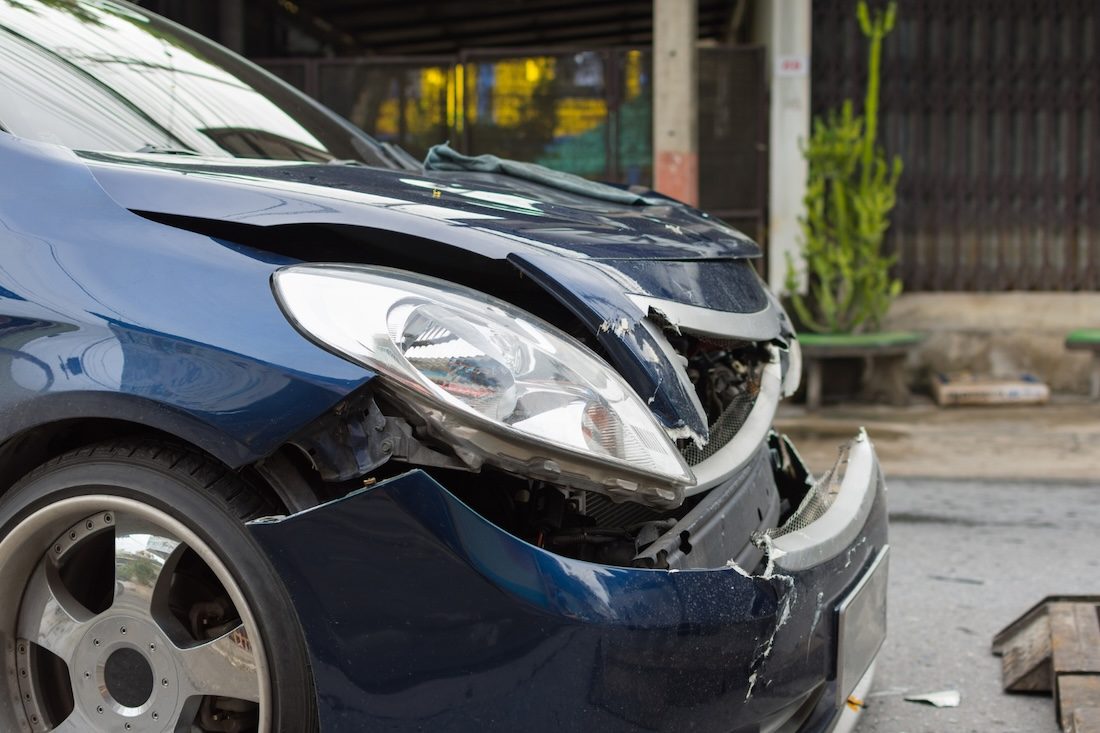
Car collisions can happen in mere seconds, leaving drivers feeling overwhelmed and unsure of their next steps. In California, it’s crucial to navigate the aftermath of an accident with knowledge and caution. Understanding what not to do in these situations can significantly impact not only your well-being but also the outcome of any insurance claims or legal proceedings.
Many individuals fall into common traps after a collision, inadvertently complicating their situation. Acknowledging fault at the scene or failing to gather crucial information can lead to complications down the road. Moreover, underestimating injuries or speaking too freely with the other driver’s insurer can have lasting consequences that may be difficult to rectify later on.
This article aims to illuminate the critical missteps to avoid after a collision in California and provide useful tips for protecting yourself. Armed with this knowledge, you’ll be better prepared to handle an accident’s aftermath and ensure your rights are safeguarded.
Key Considerations After a Collision
When involved in a collision in California, it’s vital to handle the situation properly to protect your rights and ensure everyone’s safety. Here are key considerations:
- Stay at the Scene: Leaving the accident scene can lead to hit-and-run charges, potentially resulting in license suspension and jail time.
- Call the Police: Reporting the accident to law enforcement ensures an official police report is created, which is crucial for insurance claims and legal proceedings.
- Assist the Injured: Prioritize medical assistance for anyone injured. Call 9-1-1 immediately if necessary to provide urgent care.
- Cooperate with Law Enforcement: Provide accurate information to police officers. This cooperation helps in crafting a detailed accident report, strengthening future negotiations or legal disputes.
- Seek Medical Attention: Even without visible injuries, visit a healthcare provider. Some injuries aren’t immediately obvious, and this visit establishes a medical record important for compensation claims.
By ensuring these steps are taken, you protect your well-being and legal standing. Always remember to notify your insurance agent and consider consulting a personal injury lawyer for additional guidance.
Common Mistakes to Avoid
Navigating the aftermath of a collision can be challenging. Making informed decisions is crucial for safeguarding your legal rights and ensuring a smooth resolution process. By being aware of common pitfalls, you can protect yourself effectively.
Acknowledge Fault at the Scene
Admitting fault at the scene of an accident is a common error that can have serious legal implications. Even a simple apology can be interpreted as an admission of liability, complicating future legal and insurance processes. Instead of acknowledging fault, provide a factual account of the incident to law enforcement officers. Allow them to conduct a thorough investigation to determine responsibility. This approach prevents hasty judgments and protects you from unnecessary liability. Always consult with a personal injury lawyer before making definitive statements regarding fault.
Underestimating Injuries
Underestimating injuries is another frequent mistake among accident victims. The absence of visible injuries can be misleading, as certain conditions may develop later due to the shock and adrenaline experienced during a collision. Medical literature highlights that there is no direct correlation between the severity of a car crash and the extent of injuries. Seeking immediate medical attention ensures that latent injuries are identified, documented, and properly linked to the accident. This is crucial not only for your health but also for substantiating future compensation claims with insurance adjusters.
Failing to Exchange Information
After a collision, exchanging information with the other driver is critical. Failing to do so can hinder your ability to file an insurance claim or seek damages. Collect comprehensive details, including the other driver’s insurance card, driver’s license, and vehicle registration. If the other driver lacks insurance or a valid license, promptly involve the police to document the situation. Furthermore, gather contact information from any witnesses, as their testimonies can be crucial if disputes over fault arise. Adhering to these steps ensures proper documentation and accountability, especially when dealing with insurance companies.
Leaving the Scene Prematurely
Leaving the scene of an accident prematurely, particularly when injuries are involved, can lead to severe legal consequences, including hit-and-run charges. Staying at the scene allows for the necessary exchange of details and ensures that legal processes are correctly followed. If the other driver flees, immediately notifying the police is vital to assist in locating the at-fault driver. Remaining at the scene helps build a strong case for insurance claims and avoids penalties that could impact your driver’s license or financial liabilities.
Giving Recorded Statements to the Other Driver’s Insurer
Another significant mistake is providing a recorded statement to the other driver’s insurance company. Such statements can be strategically used to damage your case, as insurance adjusters may seek to twist your words to deny or undervalue your claim. Remember, you are not obligated to provide a recorded statement. Inform the insurer that your personal injury attorney will handle the communication. This strategy protects your interests and ensures that any information shared supports your claim for damages effectively.
Sharing Sensitive Information About the Incident
During the stress of an accident, you might be tempted to share details or respond candidly to inquiries. However, sharing sensitive information without caution can be detrimental. Ensure that any communication at the accident scene remains factual and limited. Authorities like police officers should be provided with accurate details to help create a reliable accident report. However, avoid making statements about injuries or responsibility prematurely. Saying you are unharmed, for instance, could be used by the other driver’s insurance carrier to dispute your injury claims later. Limiting your exchanges ensures that your words do not inadvertently weaken your legal standing.
Importance of Seeking Medical Attention
Seeking medical attention promptly after a collision is crucial for several reasons. Initially, some injuries may not be immediately apparent, as adrenaline can mask symptoms. Delaying medical evaluation could lead to complications if these injuries are left untreated.
By obtaining a medical assessment right after the accident, you create a crucial medical record that links your injuries to the incident. This documentation strengthens your position should you need to seek compensation later. Insurance companies often scrutinize claims, and a lack of timely medical examination can lead them to deny or minimize the severity of your injuries, negatively impacting your compensation.
A comprehensive medical evaluation helps reveal any underlying injuries or conditions with delayed symptoms, ensuring all are identified and treated. Additionally, promptly seeking medical attention demonstrates that you take your injuries seriously. This can enhance your credibility against potential arguments from the insurance company questioning the severity of your injuries.
Immediate medical attention not only safeguards your health but also fortifies your case in potential claims against insurance companies.
Understanding Your Rights After an Auto Accident in California
When involved in an auto accident in California, it’s crucial to understand your rights to protect your interests. The statute of limitations for filing a personal injury lawsuit is two years from the accident date. If a minor is involved, this timeframe starts when they turn eighteen. For cases involving local government entities, individuals must file a claim within six months.
Consulting with a personal injury lawyer promptly after an accident is essential. They can guide you through your rights and the specific time limits that could affect your case. Insurance companies often try to minimize payouts, so it’s important not to admit fault or disclose too much information during conversations with them.
Here’s a quick checklist:
- Do not admit fault at the accident scene.
- Consult a personal injury attorney immediately for guidance.
- Be cautious in discussions with insurance adjusters.
- Ensure you understand the statute of limitations relevant to your case.
Navigating the legal and insurance landscape after an accident can be complex, but knowing your rights ensures you’re in the best position to receive fair compensation.
Communicating with Your Insurance Company
When you’re involved in an auto accident, effectively communicating with your insurance company is crucial to safeguard your rights and facilitate the claims process.
Firstly, report the accident to your insurance company promptly. They’re entitled to know about the incident, any injuries, and vehicle damage to ensure your coverage is protected. Remember, insurance companies must acknowledge claims and start investigations within 15 days of receiving them.
While communicating with your insurer, refrain from giving recorded statements to the other driver’s insurance company. These statements can potentially be used to deny your claim. Redirect inquiries about your injuries to your personal injury lawyer rather than providing a detailed account yourself. Insurers may use your initial statements against you later.
To keep everything organized, maintain records of all accident-related documents. This includes police reports, accident scene photographs, and communications with medical professionals. Staying in regular contact with your insurance agent and keeping them updated ensures a smoother claims process.
Here’s a quick checklist:
- Report the accident to your insurance company.
- Don’t provide recorded statements to the other party’s insurer.
- Direct injury-related inquiries to your lawyer.
- Organize and maintain all accident-related documents.
Documenting the Accident
When involved in a collision, documenting the accident is a foundational step in managing insurance claims and any ensuing legal issues. By meticulously recording details, you preserve crucial evidence that can aid in determining fault and settling injury claims. Here’s how to comprehensively document the event:
Collecting Evidence
Collecting evidence at the accident scene is essential to facilitate the claims process and potential legal proceedings. Here’s what you should do:
- Photographic Evidence: Utilize your smartphone or camera to take detailed photos and videos of the accident scene. Capture the damages to all vehicles, surrounding landmarks, and any environmental evidence like skid marks that might offer context to the crash event.
- Documenting Surroundings: Ensure that the visual record includes traffic signals, road conditions, and weather conditions at the time of the accident. These factors can be significant in establishing the events leading to the collision.
- Property Damage and License Plates: Make notes of any specific property damages, and be sure to record the license plate numbers of all involved vehicles for accurate reporting.
- Preserving the Scene: While waiting for law enforcement officers to arrive, it’s important not to disturb debris or any other evidence at the scene. This helps maintain the site’s integrity, ensuring a comprehensive police report and accident documentation.
- Filing an Accident Report: If police officers do not arrive, file an accident report with the local police department or the DMV. In California, it’s mandatory to report accidents involving damages over $750 or injuries, making thorough documentation necessary for compliance and record keeping.
Witness Statements
Securing witness statements is an invaluable part of accident documentation that can impact the determination of fault. Follow these steps to ensure you gather solid witness testimonies:
- Collecting Contact Information: Promptly gather the names, addresses, and phone numbers of anyone who witnessed the incident. Witnesses can offer important insights that may support your injury claims or help to validate the events as they unfolded.
- Witness Willingness: Witnesses often express a willingness to provide statements at the scene, but they may leave if not approached in time. Ensure you approach potential witnesses before they exit the scene to gather all necessary information.
- Comprehensive Documentation: Do not solely rely on the police department to gather witness statements; they might miss critical eyewitness accounts that you can directly obtain. Your collection of this information can supplement any gaps in the police report.
By methodically documenting the accident scene through evidence collection and witness statements, you enhance the likelihood of a smoother insurance claim process and bolster your position in any legal discussions that may follow.
Legal Implications of Missteps
When involved in a collision in California, it’s crucial to be aware of the legal implications of certain actions. Admitting fault at the accident scene can severely impact your ability to recover a settlement from your insurance company. It’s wise to let the authorities and insurance adjusters determine fault.
Contacting law enforcement is essential, as a police report may be needed for your insurance claim, regardless of the accident’s severity. Remember that in California, the statute of limitations for filing an auto accident claim is two years. Therefore, legal proceedings must be initiated within this period to maintain your right to compensation.
Additionally, if your claim involves a government entity, special notice requirements often require filing within six months. Consulting with a personal injury lawyer can be vital to safeguarding your rights and contesting any unwarranted fault claims.
Key Actions to Avoid:
- Admitting fault at the accident scene.
- Delaying to notify law enforcement for a police report.
- Missing the two-year statute of limitations for claims.
- Failing to consult a personal injury attorney for guidance.
By understanding these legal implications, you can better navigate the complexities following a motor vehicle accident in California.
Tips for a Safe and Effective Aftermath
Being involved in a motor vehicle collision in California can be overwhelming, but it’s crucial to handle the aftermath effectively to protect yourself legally and financially. Here are some essential tips:
- Stay at the Accident Scene: Never leave the scene until it is appropriate, as fleeing can lead to hit-and-run charges.
- Call Law Enforcement Officers: Immediately contact the police to file an official accident report. This is often required for insurance claims and legal documentation.
- Exchange Information: Collect names, contact details, insurance information, and vehicle identification from all involved parties, including fault drivers and any parked vehicles impacted.
- Document the Scene: Take photographs of the accident scene, skid marks, and traffic signals. Collect witness statements if possible to aid your insurance claim and potential legal cases.
- Do Not Admit Fault: Avoid discussing liability or admitting fault at the scene, as such statements can adversely affect future legal proceedings or negotiations with insurance adjusters.
By following these steps, you can safeguard your rights and facilitate an effective resolution with insurance companies and legal entities.
Protecting Yourself After a Collision
After a collision in California, protecting yourself involves taking several important steps. First, never leave the accident scene until law enforcement officers arrive, as this could result in a hit-and-run charge. Remain calm and assess injuries. If necessary, call 911 for medical assistance. Document any visible injuries, as these records can support injury claims.
Immediately contact the local police department, especially if there are injuries or significant damage. The responding police officer will create an accident report, which becomes official documentation that can aid in your case with insurance adjusters and personal injury lawyers.
Always have your motor vehicle’s important documents, like registration and proof of liability insurance, readily available. This expedites interactions with the fault party’s insurance agent or the insurance carrier.
Here’s a quick checklist to follow:
- Stay at the Accident Scene
- Call for Medical Help if Needed
- Contact Law Enforcement
- Document All Injuries
- Exchange Information with Fault Drivers
These steps are crucial for protecting your rights and ensuring that insurance claims and injury claims are processed smoothly and fairly.
Don’t Forget To Call Phoong Law
When you’re involved in a car collision, it’s crucial not to forget to call Phoong Law at 866-GOT-PAIN. They can guide you through the complex legal landscape, helping you secure the compensation you deserve.
Why Call Phoong Law?
- Expert Assistance: With expertise in handling collision cases, they provide personalized advice tailored to your situation.
- Peace of Mind: They handle communications with insurance companies and adjusters, ensuring that your rights are protected.
- Efficient Processing: From filing claims to gathering evidence like accident reports and medical records, Phoong Law manages it all efficiently.
Steps to Take After a Collision:
- Ensure safety by moving your vehicle out of traffic if possible.
- Switch on your hazard lights.
- Contact law enforcement officers to file a police report.
- Gather evidence such as photos of the accident scene, skid marks, and traffic signals.
- Exchange insurance card details with the fault party.
- Seek medical assistance for visible injuries.
Having a personal injury lawyer like Phoong Law simplifies the process and helps safeguard your interests. Don’t let a collision overwhelm you—get the legal support you need at 866-GOT-PAIN.
Disclaimer: The information provided is for general informational purposes only and does not constitute legal advice. For guidance specific to your situation, consult a qualified attorney.

















 English
 Español de México