
 ES

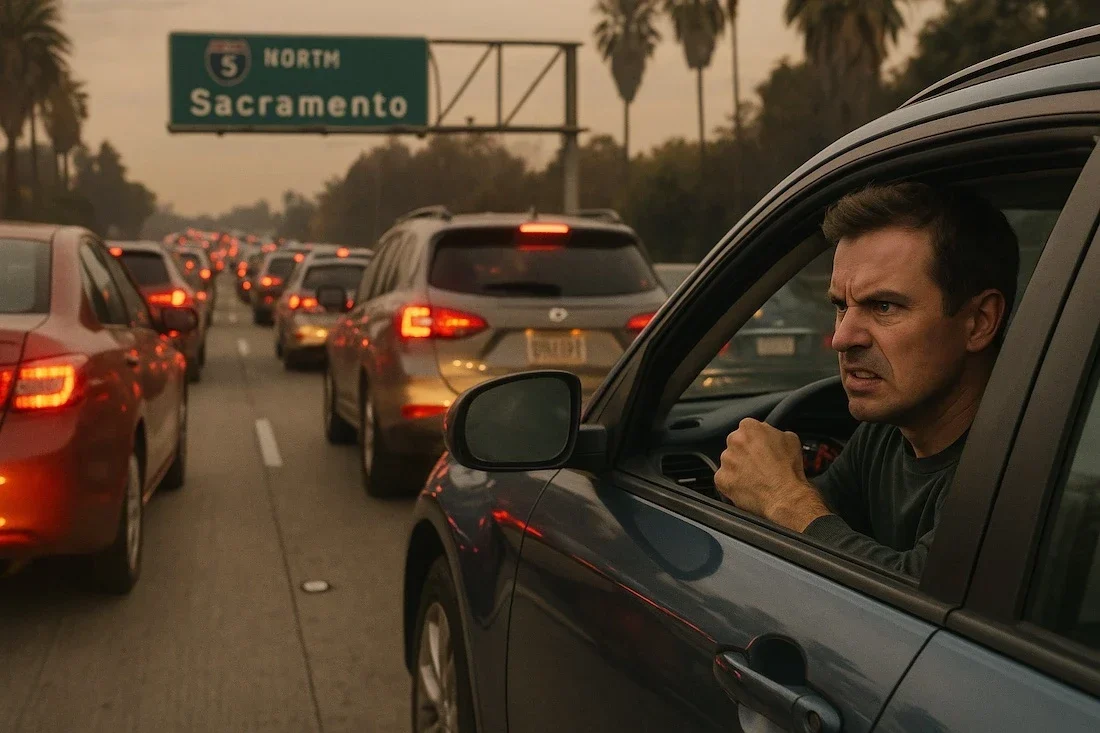
Why Road Rage Accidents Surge During the Holiday Season
December is one of the most stressful months of the year for many Californians. Between family gatherings, work deadlines, shopping rushes, and crowded roadways, nearly every driver feels the pressure. Unfortunately, this pressure often spills over onto California highways and neighborhood streets, where holiday stress contributes to a sharp rise in aggressive driving and road rage incidents.
Many assume road rage is limited to rare extreme cases, but the reality is much broader. Road rage includes tailgating, speeding through traffic, cutting others off, weaving between lanes, brake checking, honking aggressively, and behaving in ways that intimidate or endanger others. These behaviors intensify during the holidays, creating a dangerous environment for everyone else on the road.
The roads become even more unpredictable when stress mixes with fatigue, impatience, and frustration. Drivers rushing to stores or family events often make impulsive decisions that place others at risk. Understanding why this happens and how it affects accident rates is important for anyone traveling during December.
The Psychology of Holiday Stress Behind the Wheel
Holiday stress does not just change schedules. It changes how people think, act, and react. Studies show that when stress levels rise, decision making becomes impaired and emotional impulses become stronger. This means a driver who might normally stay calm in traffic may lose patience more easily during the holidays.
Holiday obligations can overwhelm even the most organized people. Drivers may worry about missing an event, being late to a gathering, or not completing errands on time. This sense of urgency causes tension before they even start driving. Once in traffic, even small inconveniences feel much larger, raising the chance of an aggressive response.
Fatigue also plays a major role. Long work hours, late nights preparing for family activities, and extended road trips all combine to reduce alertness. When tired, drivers have slower reaction times and shorter tempers. Fatigue makes drivers more likely to misinterpret the actions of others, react impulsively, or escalate a minor traffic situation into something more serious.
Emotional triggers are more common during the holidays. Traffic congestion may remind someone of past stressful experiences. A negative interaction earlier in the day may carry over into their driving. Emotional carryover is a major reason why road rage is more common during busy seasons. A driver already under pressure is far more likely to lash out or behave recklessly behind the wheel.
Financial stress is another factor. December is expensive, and worries about money heighten tension. A driver struggling financially may be more likely to react aggressively if they feel someone else put them at risk of damaging their vehicle or causing an insurance issue. All these psychological pressures create an atmosphere where tempers flare faster and driving becomes more erratic.
Common Road Rage Behaviors That Lead to Accidents
Road rage manifests in many ways, and nearly all of them increase the risk of a crash. The most common holiday related road rage behaviors in California include:
Tailgating during heavy congestion
Abrupt lane changes without signaling
Weaving through traffic to bypass slow drivers
Speeding on highways or local roads
Brake checking to intimidate another driver
Blocking someone from merging
Accelerating aggressively when the light turns green
Cutting off drivers near off ramps or intersections
Each of these behaviors disrupts the normal flow of traffic. They force other drivers to react quickly, often with little time or space. When people are rushed or distracted, their reactions are not always safe or predictable. Aggressive driving not only raises the risk of collisions, it also heightens the chance of injury because the car movements are sudden and forceful.
During December, these behaviors multiply because drivers feel time pressure. The hurried nature of holiday travel causes more sudden maneuvers, more impatience, and more frustration when traffic slows down or stops.
How These Behaviors Cause Serious Collisions
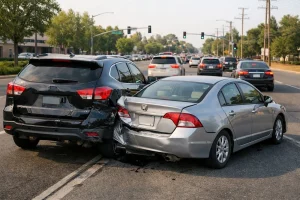
Road rage does not simply make driving unpleasant. It directly contributes to dangerous accidents. Tailgating often causes rear end collisions when the car in front brakes unexpectedly. Sudden lane changes can lead to side swipe crashes or force other drivers to swerve into adjacent lanes. Brake checking can cause multi vehicle pileups, especially in congested areas where cars have little space to react.
Speeding intensifies every risk. A driver who is traveling too fast may lose control while weaving through traffic or misjudge the distance needed to stop. When these behaviors occur on major California freeways, the result can involve multiple vehicles, severe injuries, and significant property damage.
The chain reaction effect is especially common during the holidays. One aggressive action from a frustrated driver can cause a ripple effect that impacts several other vehicles. A sudden lane change on I 5 in Los Angeles during holiday congestion may force two or three cars to brake sharply. One of those drivers may react too slowly, leading to a collision that injures several people.
Even local streets experience these challenges. In downtown shopping areas, aggressive drivers may speed through yellow lights, block intersections, or honk at pedestrians. These actions increase the risk of accidents, especially when foot traffic is high.
California Locations With the Highest Road Rage Incidents in December
Road rage accidents can happen anywhere, but they are more common in areas with heavy congestion or rapid changes in traffic flow. The most frequent December road rage hotspots in California include:
Southern California freeways such as I 5, I 405, and State Route 91
Northern California corridors including I 80, Highway 101, and the Bay Bridge approach
Downtown shopping areas in Los Angeles, San Francisco, Sacramento, and San Diego
Mall districts such as the Roseville Galleria, Westfield Topanga, and the Irvine Spectrum
Tourist areas near theme parks, beaches, and winter recreational areas
Airport access roads near LAX, SFO, and San Diego International Airport
These locations combine high traffic volume with emotional stressors. Drivers feel rushed both entering and leaving these busy destinations. When weather such as rain or fog is added to the mix, road rage incidents become even more likely.
Injuries Commonly Seen in Road Rage Accidents
Road rage collisions often result in serious injuries because the aggressive actions involved increase the force of impact. Rear end collisions, side swipes, and high speed crashes can cause:
Neck injuries and whiplash
Back injuries including herniated discs
Concussions or head injuries
Shoulder and knee trauma from sudden vehicle movements
Airbag and seat belt injuries
Emotional distress and anxiety
Victims of road rage accidents may also suffer psychological effects such as fear of driving, nightmares, or trauma from confrontational drivers. These symptoms can last long after the physical injuries heal.
Legal Challenges in Proving Road Rage Accident Claims
Proving that a collision was caused by road rage or aggressive driving can be challenging without proper evidence. Many at fault drivers deny their actions or minimize their behavior. Insurance companies often attempt to portray the incident as a simple accident, not the result of reckless driving.
To prove road rage contributed to a collision, evidence may include:
Witness statements describing aggressive behavior
Traffic camera footage or dash cam recordings
Photos showing reckless positioning of vehicles
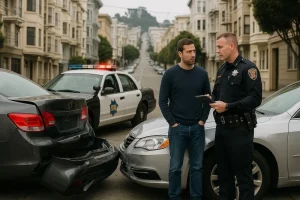
Police reports documenting aggressive actions
Recorded calls or statements from the other driver
Social media posts or texts made by the at fault party
Insurance companies may resist acknowledging road rage because it can significantly increase their liability. Aggressive driving can justify higher compensation because the behavior involves a conscious disregard for safety. This is why gathering strong evidence is essential.
What to Do If You Are Involved in a Road Rage Accident
If you are involved in a road rage incident, your safety comes first. Do not confront the other driver. Aggressive individuals can escalate quickly, especially when already upset or stressed. Instead, follow these steps:
Move to a safe location away from traffic.
Call the police so the incident is formally documented.
Take photos of vehicle damage, roadway conditions, and the other driver’s behavior if it is safe.
Gather contact information from witnesses.
Seek medical attention even if injuries feel minor.
Avoid discussing fault or arguing with the other driver.
Contact a personal injury attorney before dealing with insurance companies.
These steps help create a clear record of what happened and protect you from claims that the incident was not serious or that the other driver was not behaving aggressively.
How Phoong Law Supports Victims of Road Rage Crashes
Road rage cases require careful attention to detail and a strong understanding of how aggressive driving affects liability. At Phoong Law, our team investigates every element of the crash to build a clear picture of what occurred. We gather evidence from traffic cameras, witness accounts, and police records to show how the other driver’s actions caused harm.
Our attorneys handle all communication with insurance companies so clients do not face pressure to accept low settlements. We work to secure compensation for medical care, lost wages, pain and suffering, and long term recovery needs. When road rage leads to emotional trauma, we ensure that this aspect of the injury is recognized and supported in the claim.
Final Advice: Stay Alert and Protect Your Rights This Holiday Season
Road rage accidents increase every December as stress, traffic, and fatigue rise across California. By understanding why these incidents happen and how to respond if one occurs, drivers can stay safer and better protect their rights. If you or someone you love is injured in a road rage collision, early legal guidance is key to securing a fair outcome.
For support after an accident caused by aggressive driving, contact Phoong Law at (866) GOT-PAIN. Our experienced legal team is here to help injured Californians seek justice and recover the compensation they deserve.
This article is for informational purposes only and does not constitute legal advice. Always consult an attorney regarding your specific situation. Phoong Law serves clients across California.














 English
 Español de México