
 ES


In an era where road safety is increasingly scrutinized, understanding the dynamics of passenger safety in vehicles becomes paramount. With California being one of the most populated states, the complexities of car safety laws are vital for residents and travelers alike. This article delves into the responsibilities of both drivers and passengers when it comes to safety on the roads, highlighting the legal frameworks that govern these obligations.
California’s stringent seat belt laws, encompassing Vehicle Code § 27315, serve as a cornerstone in the fight against injury claims resulting from car accidents. With regulations mandating compliance from both drivers and passengers, awareness of these laws can often mean the difference between safety and legal liability. The penalties for non-compliance add another layer of importance to understanding one’s responsibilities while on the road.
This article aims to clarify the obligations surrounding passenger safety, the implications of negligence, and the types of damages available for injured passengers. By exploring these themes, readers will gain crucial insights into the shared responsibility of ensuring safety and the steps to take following an accident in California.
Legal Obligations of Drivers
In California, a critical legal obligation of drivers is the duty of care owed to their passengers. This responsibility requires drivers to operate their motor vehicles safely and in compliance with traffic laws. Drivers must be vigilant, ensuring that everyone inside the vehicle, including backseat passengers, is wearing a seat belt correctly. Seat belt laws in California are strict, with enforcement ensuring that no passenger rides unrestrained. This duty extends to ensuring child safety seats and booster seats are used appropriately for younger passengers.
Moreover, California law mandates that drivers are accountable when they are aware of potential hazards like impairment or dangerous road conditions. Under such circumstances, they must take reasonable steps to mitigate any risks to passengers. Failure to adhere to these legal obligations could render the driver negligent and liable for any resulting injuries or damages.
Passenger Safety Responsibilities
While the primary responsibility for passenger safety in a car rests with the driver, passengers in California also hold certain responsibilities. Passengers aged 16 and older are required by law to wear a seat belt and can face monetary penalties if they fail to comply. Proper restraint using seat belts, car seats, or booster seats based on age and size is crucial for safety.
Unrestrained passengers pose a risk not only to themselves but also to others in the vehicle, as the force during a crash can cause severe injuries. Passengers can also be held liable for accidents if their behavior contributes to the incident, such as providing dangerous directions or physically interfering with the vehicle’s operation. Passengers’ actions should not distract the driver, as distractions can lead to hazardous driving conditions.
Consequences of Negligence
Negligence in operating a vehicle can have significant legal ramifications for drivers in California. A failure to meet the expected standard of care can expose drivers to lawsuits filed by injured parties. Violation of statutes, such as failing to ensure seat belt use, can lead to a presumption of negligence, heightening the legal repercussions for drivers.
In the event of auto accidents, injured passengers have the right to file a personal injury claim against the negligent driver or the at-fault party’s insurance policy to seek compensation for medical expenses and emotional distress. Proving negligence typically requires demonstrating the driver’s fault and substantiating claims with evidence, such as police reports, video footage, or witness testimonies.
Under California’s comparative negligence laws, a passenger’s failure to wear a seat belt can reduce the damages awarded in personal injury lawsuits. The degree of fault attributed to each party is considered, potentially diminishing the compensation for passengers who were not wearing seat belts. Personal Injury Lawyers are often engaged to navigate these complex legal landscapes and to help injured parties secure fair recompense for their injuries.
California Seat Belt Laws
California has implemented stringent seat belt laws to enhance the safety of drivers and passengers in motor vehicles, aiming to reduce injuries and fatalities resulting from auto accidents. The state mandates that all occupants, regardless of age or seating position, must wear a seat belt. This legislation reflects a broader commitment to road safety, supported by enforcement actions and potential financial penalties for violations.
Overview of Vehicle Code § 27315
The cornerstone of California’s seat belt legislation is Vehicle Code § 27315, known as the Motor Vehicle Safety Act. This law requires that all drivers and passengers in a motor vehicle, excluding motorcycles, use seat belts. For children, additional safety measures are prescribed. Children under the age of 13 must be seated in the rear with appropriate safety restraints, such as child safety seats or booster seats, ensuring heightened protection. Moreover, a $490 fine can be imposed on drivers who fail to properly secure child passengers. The law also accommodates exemptions for individuals with documented medical conditions, provided they have a certificate from a licensed healthcare provider. Enforced since 2012, the Act emphasizes child passenger safety in California.
Compliance Requirements for Drivers and Passengers
Compliance with California’s seat belt laws is mandatory for all vehicle occupants. Drivers hold significant responsibility, especially regarding child safety restraints, facing fines up to $490 for non-compliance. While certain roles, like USPS and newspaper delivery workers, are exempt from the seat belt requirement during work hours, seat belts are compulsory outside working periods. Passengers, too, are expected to exercise reasonable care for their safety by wearing seat belts and avoiding impaired drivers. Under California law, passengers may face legal consequences if they disrupt the driver’s operation of a vehicle, potentially being deemed partially liable in the event of an accident.
Penalties for Non-Compliance
Non-compliance with seat belt regulations in California can result in substantial fines. Adults failing to wear seat belts may receive a ticket with a base fine of $162. Child safety violations are particularly costly, with fines reaching up to $490 for improperly securing a child under 16, regardless of parental presence. Additionally, separate fines can be levied for each unbuckled passenger, emphasizing the financial stakes of ensuring seat belt usage. First-time offenders face a base fine of $20, escalating to $50 for repeat offenses. Vehicle owners are also mandated to maintain seat belts in good working order, vital for both compliance and safety on the road.
Liability of Passengers in Accidents
In California, the safety of passengers in a car involves multiple layers of responsibility. Understanding the liability of passengers during an auto accident is crucial as it significantly influences legal and insurance outcomes. While drivers primarily bear the responsibility for maintaining road safety, passengers also have obligations that can affect fault determinations and accountability in the aftermath of an accident.
Conditions for Passenger Liability
Passengers rarely consider themselves as potentially liable parties in car accidents. However, there are circumstances where their actions or decisions may lead to shared or even full liability:
- Distracting Behavior: Passengers who engage in behaviors that distract the driver, such as loud conversations or sudden movements, contribute to at least 15% of distracted driving accidents as reported by the National Highway Traffic Safety Administration. This can lead to them being held partially at fault.
- Substance Influence: Entering a vehicle with a driver under the influence of drugs or alcohol suggests acceptance of the associated risks, potentially resulting in liability. Such acts are seen as nonverbal consent to danger.
- Physical Interference: If a passenger forcibly manipulates vehicle controls, such as grabbing the steering wheel, they may be viewed as a co-driver. This act could hold them responsible for any resulting incident, similarly as if they were the driver.
- Encouraging Risky Actions: Passengers urging drivers to engage in risky behaviors, like speeding or drag racing, can be seen as complicit, thus bearing partial or complete liability if an accident occurs.
Impact of Passenger Actions on Claims
When passenger actions contribute to an auto accident, several implications may affect claims and compensation:
- Filing Claims: Passengers can pursue claims for damages such as medical expenses, lost wages, and emotional distress. However, if a passenger’s actions led to an accident or increased its severity, their claim might be reduced or denied.
- Consent to Risk: By choosing to ride with an intoxicated driver, passengers implicitly consent to the risk, potentially limiting their grounds to file a personal injury claim.
- Insurance Challenges: Claims could be complicated if the at-fault driver is a relative or lacks adequate insurance. Passengers might need to explore insurance policies thoroughly and consider hiring accident attorneys to navigate these complexities.
- Compensation Considerations: Despite contributing actions, California law does not impose the same duty on passengers as drivers, who are expected to exercise reasonable care. Thus, passengers may sometimes secure compensation even when partially at fault, depending on the degree of fault assessed.
In all scenarios, the extent of liability and the related financial consequences will depend on the specifics of each case, including behavioral assessments and fault party evaluations. Personal Injury Lawyers in Orange County and throughout California can provide guidance on legal options for passengers seeking compensation or needing to defend against claims. Understanding these dynamics is essential for passengers to protect their rights and interests in the event of an auto accident.
Types of Damages Available to Injured Passengers
In the aftermath of a car accident, passengers who sustain injuries have the right to seek compensation for a variety of damages. This compensation is crucial for covering the medical expenses, lost income, and emotional distress that may result from the incident. Understanding the types of damages available can help injured passengers pursue a comprehensive settlement.
Economic Damages
Economic damages are tangible, quantifiable costs that can be directly traced to the accident. They encompass the following:
- Medical Expenses: Injured passengers can claim compensation for medical costs, which cover everything from emergency hospitalization to surgeries, prescription medications, and necessary follow-up appointments. These expenses also include future medical costs that could arise from the accident-related injuries.
- Lost Wages: If the injuries prevent an individual from working, they can claim compensation for lost wages. This includes their regular pay, overtime, commissions, bonuses, and any personal or sick leave taken due to the injury. Additionally, if the injuries result in a reduced earning capacity, compensation may include future lost income.
- Property Damage: Passengers can also seek compensation for any personal belongings damaged in the accident.
The amount awarded for economic damages can vary widely depending on the severity of the injuries and the degree of negligence shown by the at-fault party.
Non-Economic Damages
Non-economic damages cover the more subjective and intangible impacts of a car accident, such as the mental and emotional toll on the injured person. They include:
- Pain and Suffering: This pertains to the physical discomfort and emotional distress caused by the accident. Calculating these damages is highly subjective and can vary significantly based on the unique circumstances of the accident.
- Emotional Distress: Passengers can claim compensation for the mental trauma and emotional suffering they experience due to the accident.
California law permits injured passengers to seek compensation for non-economic damages even if they were in an uninsured vehicle, as long as negligence can be established against the at-fault driver.
Understanding both economic and non-economic damages is essential for injured passengers aiming to maximize their compensation following an auto accident. By working with experienced accident attorneys or personal injury lawyers, passengers can effectively navigate the complexities of filing a claim.
Steps to Take After an Accident
Experiencing a car accident can be disorienting and stressful, particularly for passengers. However, taking the appropriate steps immediately after the incident can greatly aid in protecting your rights and securing compensation. Below are some essential actions to consider.
Immediate Actions for Safety
In California, the safety of passengers is a priority enforced by law through strict seat belt regulations. It is mandatory for everyone aged 16 and over to wear a seat belt while in a vehicle. Supervisors, usually parents, are responsible for ensuring that children under 15 years old are secured in appropriate safety restraint devices, such as booster seats. Wearing a seat belt is crucial as it reduces the risk of injury during accidents. If an accident occurs, failing to wear a seat belt can negatively impact personal injury claims, with insurance companies potentially viewing this as negligence.
Gathering Evidence
Compiling evidence at the scene of an accident is a critical step. This involves:
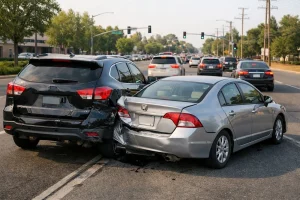
- Taking photos or videos: Capture images of the vehicle damage, road conditions, and any relevant traffic signs or signals.
- Collecting contact details: Gather names and contact information of all involved parties and eyewitnesses to corroborate events later.
- Securing medical documentation: After seeking medical attention, ensure all injuries are documented as they provide crucial proof for compensation claims. For instance, symptoms like traumatic brain injuries might manifest later.
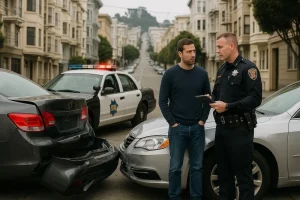
- Obtaining police reports: These are indispensable, detailing the accident circumstances and involved parties’ accounts, strengthening a personal injury claim.
Reporting the Accident
It’s important to notify your insurance company of the accident as soon as possible, even as a passenger. Doing so ensures you receive guidance for the next steps and information on potential coverage for medical expenses under the MedPay provisions.
To streamline the claims process, you should:
- Gather information: Collect contact details and insurance information from all drivers and passengers involved.
- Request a police report: Submit a Collision Request Form in California, providing particulars about the accident including date, location, and involved parties’ details. Note that a fee applies for accessing the police report, which might become a necessary expense when filing a claim.
By diligently following these steps, passengers in California can better protect their rights and navigate the legal and insurance processes following an auto accident. In complex cases, consulting an experienced accident lawyer or personal injury attorney can be invaluable in determining liability and securing fair compensation for any medical bills, emotional distress, or injuries sustained.
Comparative Negligence in California
California’s comparative negligence framework dictates that a plaintiff in an auto accident can recover compensation even if they are as much as 99% at fault. However, the awarded compensation is reduced by the plaintiff’s percentage of fault. This means the law reflects leniency, allowing for compensation even when the injured party shares significant culpability for the accident.
Understanding Comparative Fault
Under California’s pure comparative fault rule, passengers can seek compensation even if they are partially at fault for their injuries, such as not wearing a seatbelt. Their compensation will be adjusted according to their degree of fault in the accident. Passengers are generally not held liable for the accident unless they distract the driver or provide unsafe guidance. However, if they are aware of potential dangers, like the driver’s impairment, they have a responsibility to act reasonably to ensure their safety, impacting how fault is assessed.
Establishing fault in a car accident requires comprehensive evidence like video footage, witness statements, and police reports. These elements help determine each party’s degree of fault, ultimately influencing the compensation awarded to the injured party.
How It Affects Claims and Compensation
In California, injured passengers can file claims to recover both tangible damages, like medical expenses and lost wages, and intangible damages, such as pain and suffering, from the at-fault party’s insurance. Compensation figures can be significantly influenced by the at-fault party’s insurance policy limits, which are set at a minimum of $15,000 per person and $30,000 total for multiple injuries.
If passengers contribute to the accident due to negligence, such as not wearing their seat belts, their recoverable compensation may be reduced in accordance with California’s comparative fault laws. This adjustment highlights their share of responsibility in the accident.
Legal representation is critical in navigating the complexities of insurance claims and ensuring injured passengers receive fair compensation. Passengers benefit from understanding insurance policy limits and engaging professional help, such as accident attorneys or personal injury lawyers, to effectively file claims and seek maximum compensation. This informed approach is especially vital in complex cases where multiple parties may share liability, affecting the availability of full compensation.
In summary, the safety of passengers in a car in California resides in multiple factors, involving driver responsibility, passenger conduct, and legal frameworks such as comparative negligence laws, all aimed at fair accountability and just compensation after an auto accident.
Filing Claims Against Drivers
In California, passengers involved in auto accidents have the right to file claims against the responsible parties to seek compensation for damages. Given the state’s comparative negligence laws, it’s critical for passengers to understand the processes involved with filing claims. Passengers can utilize various insurance policies to cover medical expenses, lost wages, and other damages, ensuring they secure financial recovery after an incident. Importantly, they should avoid admitting any liability when filing a claim against an at-fault driver’s insurance policy.
Claims Against Family Members
Filing claims against family members in California involves complex legal situations due to the doctrine of family immunity. This doctrine originally aimed to maintain family harmony by preventing negligence-related lawsuits among immediate family members. While its impact has diminished over time, it still influences the legal landscape significantly.
In situations where the at-fault driver is a family member, California law directs compensation away from liability insurance, which does not cover injuries for relatives. Instead, compensation is often sought through the driver’s medical payments coverage, which pays for medical expenses irrespective of fault.
Given these limitations, passengers injured in accidents involving family members need to explore alternative compensation avenues, making it more essential to consult with professionals familiar with personal injury and accident law.
Claims Against Uninsured Drivers
Claims against uninsured drivers are particularly pertinent in California due to its requirement that drivers maintain uninsured motorist (UM) coverage. This coverage is crucial, as nearly 15 percent of California drivers are uninsured.
UM coverage provides financial protection in accidents involving uninsured or underinsured drivers, helping cover expenses like medical bills, lost wages, and emotional distress. In situations where neither you nor the at-fault driver has UM coverage, compensation options become more constrained, notably underlining the importance of comprehensive insurance plans.
Understanding the implications of family immunity is also essential, as it may complicate recovery efforts when accidents involve family members.
The Role of Insurance Companies
Insurance companies play a vital role in determining liability and compensation after an accident. Despite their financial liability to injured parties, their ultimate goal often includes minimizing payouts. This financial incentive means insurance companies may employ strategies to protect their interests, sometimes hindering the claims process for passengers.
Adjusters might promptly contact passengers after an accident to gather statements, which could impact the outcome of the claims process. In California, passengers can file claims against the driver and possibly the owner of the vehicle if negligence is involved. However, it’s important to recognize that California’s comparative negligence laws might result in a shared degree of fault, complicating the pursuit of full compensation.
Ultimately, passengers should be prepared to encounter nuanced legal challenges when navigating insurance claims in auto accidents. Consulting with experienced accident lawyers or personal injury attorneys in places like Orange County can aid in understanding one’s legal options and rights.
Ensuring Passenger Safety
In California, drivers bear the primary responsibility for ensuring passenger safety in motor vehicles by operating them in a reasonably safe manner. This obligation is crucial as failing to do so can lead to a negligence lawsuit. Passengers, on the other hand, are expected to contribute to their safety by adhering to seat belt laws. However, their burden of care is not as stringent as that of drivers.
Passengers injured in auto accidents have the right to file a personal injury claim against the fault party’s insurance, aiming to recover damages for medical expenses and emotional distress. In such scenarios, it’s vital for the injured party to understand their legal options and the degree of fault of the negligent driver.
Insurance companies may challenge these claims, necessitating negotiations or disputes over claim denials. Thus, consulting with accident attorneys can be beneficial for a fair settlement. It’s important to note that passengers are not responsible for being aware of all potential road conditions or hazards; the duty lies primarily with the driver under California law.
Key Responsibilities:
- Drivers: Operate safely, adhere to reasonable care.
- Passengers: Wear seat belts, stay informed about safety measures.
Utilizing the expertise of personal injury lawyers in case of disputes is recommended.
Get A Free Case Review by Phoong Law
Looking for expert legal advice after an auto accident? Call 866-GOT-PAIN for a free case review by Phoong Law. Our dedicated team of Personal Injury Lawyers is here to help you navigate the complexities of your case, ensuring you receive the compensation you deserve.
What We Offer:
- Free Case Evaluation: Understand your legal options without any financial obligation.
- Experienced Attorneys: Our lawyers specialize in personal injury claims, including issues related to seat belt laws, fault drivers, and road conditions.
- Comprehensive Support: We help manage medical expenses, insurance claims, and assess the degree of fault to build a strong case.
Why Choose Phoong Law?
- Proven Track Record: Successfully helping clients across California, including Orange County.
- Client-Centric Approach: Focused on reducing emotional distress and securing settlements for injured parties.
- Accessible Help: Available for consultations at your convenience.
Don’t let medical bills and insurance companies overwhelm you. Call Phoong Law at 866-GOT-PAIN today for your free case review. Navigate the aftermath of your auto accident confidently with our skilled accident attorneys by your side.
Disclaimer: The information provided is for general informational purposes only and does not constitute legal advice. Liability and responsibilities vary by case. Consult a licensed attorney for specific legal guidance.

















 English
 Español de México