
 ES
ES

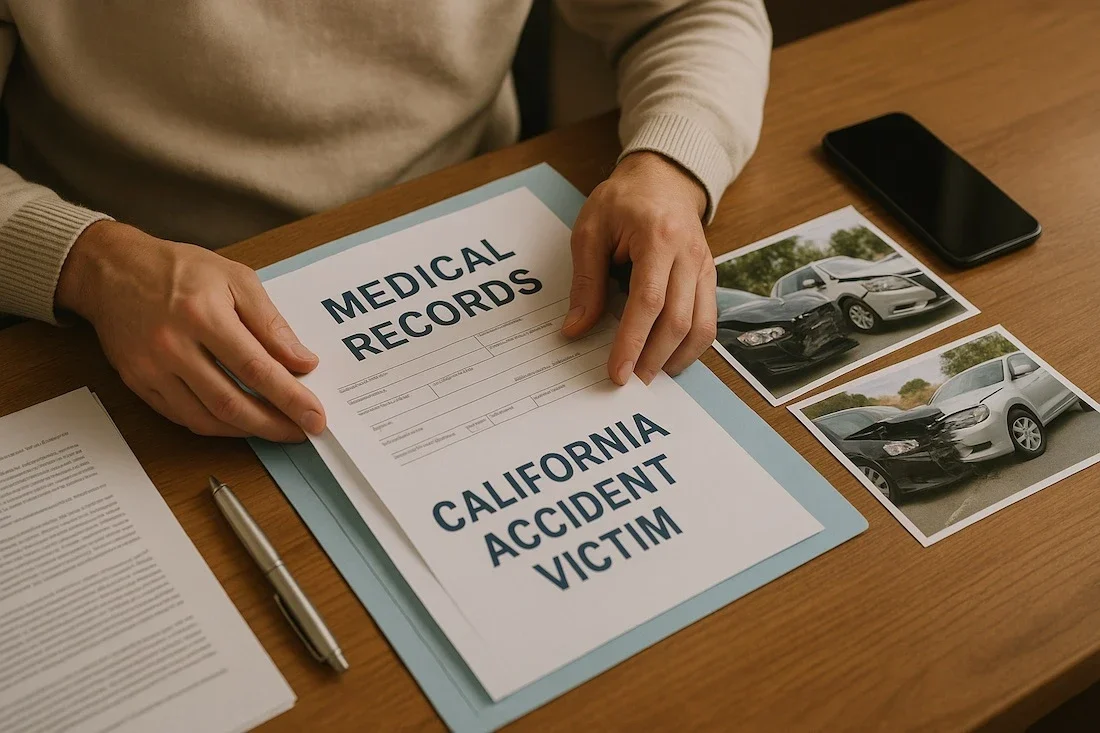
Why Evidence Is Often Lost in Personal Injury Cases
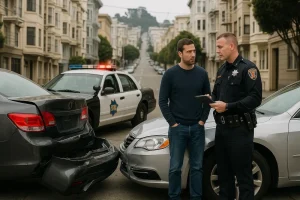
After an accident, most people focus on immediate concerns. Getting medical care, fixing a vehicle, missing work, and dealing with stress all take priority. Evidence preservation rarely feels urgent in those first days and weeks. Unfortunately, that is exactly why so much valuable evidence is lost before a claim ever gains traction.
Many accident victims assume insurance companies will investigate fairly and gather what they need. In reality, insurers evaluate claims based on what is provided to them. If evidence is missing, incomplete, or unclear, it is often used to justify reducing or denying compensation.
Shock, pain, and emotional strain also play a role. People do not always think clearly after an injury. Important details may seem insignificant at the time but later become central to proving what really happened. By the time a victim realizes what matters, evidence may already be gone.
Evidence Insurance Companies Rely On to Devalue Claims
Insurance companies rarely need dramatic proof to devalue a claim. Small gaps and missing pieces are often enough. When documentation is incomplete, insurers fill in the blanks in ways that benefit them, not the injured person.
Common weaknesses insurers look for include unclear timelines, missing witness statements, lack of photographs, and gaps in medical treatment. They also rely heavily on what is not documented. If pain, limitations, or symptoms are not written down early, insurers may argue they never existed.
The absence of evidence is often treated as evidence itself. This makes overlooked details just as damaging as contradictory ones.
The Most Commonly Overlooked Types of Evidence
Some of the most powerful evidence in personal injury cases is also the most frequently missed. Photos are a prime example. Many people take pictures of vehicle damage but forget to photograph the surrounding area, skid marks, lighting conditions, weather, or nearby signage. These details help explain how and why an accident occurred.
Witness statements are another commonly overlooked asset. People often assume police reports will capture everything, but officers may not interview every witness or record detailed observations. Witnesses also become harder to locate as time passes.
Vehicle related records are frequently missed as well. Repair estimates, diagnostic reports, and alignment findings can reveal the force of impact and support injury claims. Without these documents, insurers may minimize the severity of the crash.
Surveillance footage is especially time sensitive. Businesses, apartments, and traffic systems often overwrite video within days or weeks. If footage is not requested quickly, it may be lost forever.
Why Time Sensitive Evidence Matters Most
Some evidence simply does not last. Surveillance systems overwrite recordings. Accident scenes change. Weather conditions shift. Temporary hazards are removed. These changes can erase context that explains how an injury happened.
Memory is also time sensitive. Witness recollections fade and become less precise. Small details that seemed obvious immediately after an accident can disappear within weeks. Written statements taken early are often far more accurate than later recollections.
Because of this, the strongest cases are usually built early. Preserving evidence quickly creates a clear snapshot of events before time alters or erases key facts.
Medical Evidence That Often Gets Undervalued or Misunderstood
Medical records are central to personal injury cases, but not all medical evidence is treated equally. Imaging studies like X rays and MRIs are important, but they are not the only proof that matters. Many injuries, especially soft tissue injuries and concussions, do not always appear clearly on imaging.
What often gets overlooked are provider notes, treatment plans, and symptom descriptions. How pain affects daily activities, sleep, work, and mobility matters greatly. If these details are not documented, insurers may argue that injuries were minor or resolved quickly.
Symptom journals are another powerful but underused form of evidence. Writing down pain levels, limitations, and emotional effects creates a consistent record that supports medical findings. Without it, insurers may question the persistence or severity of symptoms.
Gaps in treatment are also heavily scrutinized. Even understandable delays can be used to argue that injuries were not serious. Clear documentation helps explain these gaps and protect the claim.
Digital Evidence That Can Strengthen Injury Claims
Digital evidence plays an increasing role in California personal injury cases. Smartphones collect valuable data that many people do not realize can support a claim. Location history, timestamps on photos, call logs, and messages can all help establish timelines.
GPS data can show where someone was and how they moved before and after an accident. App data related to physical activity can help demonstrate changes in mobility or routine following an injury.
This type of evidence must be handled carefully. While it can strengthen a claim, it can also be misinterpreted if taken out of context. Knowing what to preserve and how to present it matters.
How Social Media Can Accidentally Harm a Case
Social media is one of the most common ways evidence is unintentionally undermined. Posts that seem harmless can be used to question injury severity or credibility. Photos taken out of context may suggest activity levels that do not reflect reality.
Location tags, comments, and even old posts can be reviewed by insurers. A single image or statement can be misused to suggest someone is not injured or affected as claimed.
This does not mean victims must disappear entirely, but it does mean they should be cautious. What is shared publicly can and often will be reviewed during a claim.
What Accident Victims Should Do to Preserve Evidence
Preserving evidence does not require legal knowledge, but it does require awareness. After an accident, victims should take photographs of the scene, surrounding area, and any hazards. Collecting witness contact information is critical, even if statements are not taken immediately.
Medical care should be sought promptly, and symptoms should be communicated clearly to providers. Keeping copies of medical records, bills, and treatment notes helps maintain a complete file.
Saving digital data, including photos, messages, and location history, can also be valuable. At the same time, limiting social media activity related to the accident helps prevent misinterpretation.
Most importantly, getting guidance early helps ensure nothing important is missed.
How Phoong Law Builds Evidence Driven Injury Claims
At Phoong Law, evidence preservation is a priority from the start. Our team looks beyond obvious documentation and focuses on details that insurers often exploit when missing.
We work quickly to identify and secure time sensitive evidence such as surveillance footage and witness statements. We organize medical documentation to create clear timelines and ensure injuries are fully represented. When appropriate, cases may involve testimony from a qualified expert witness to explain technical aspects of the accident or injuries.
By building claims around thorough documentation and independent analysis, we help ensure that cases are evaluated fairly rather than minimized due to missing information.
Evidence Wins Cases Before Court Ever Happens
Most personal injury cases are resolved long before trial. Evidence is what determines their outcome. The more complete and consistent the evidence, the harder it is for insurers to deny responsibility or reduce compensation.
If you have been injured, do not assume that someone else will gather what matters. Acting early, preserving details, and understanding what evidence counts can make a significant difference.
For guidance on protecting evidence and building a strong claim, contact Phoong Law at (866) GOT-PAIN. Our team is here to help California injury victims protect their rights and their future.
Disclaimer: This article is for informational purposes only and does not constitute legal advice. Always consult an attorney regarding your specific situation. Phoong Law serves clients across California.
















 English
  Español de México