
 ES

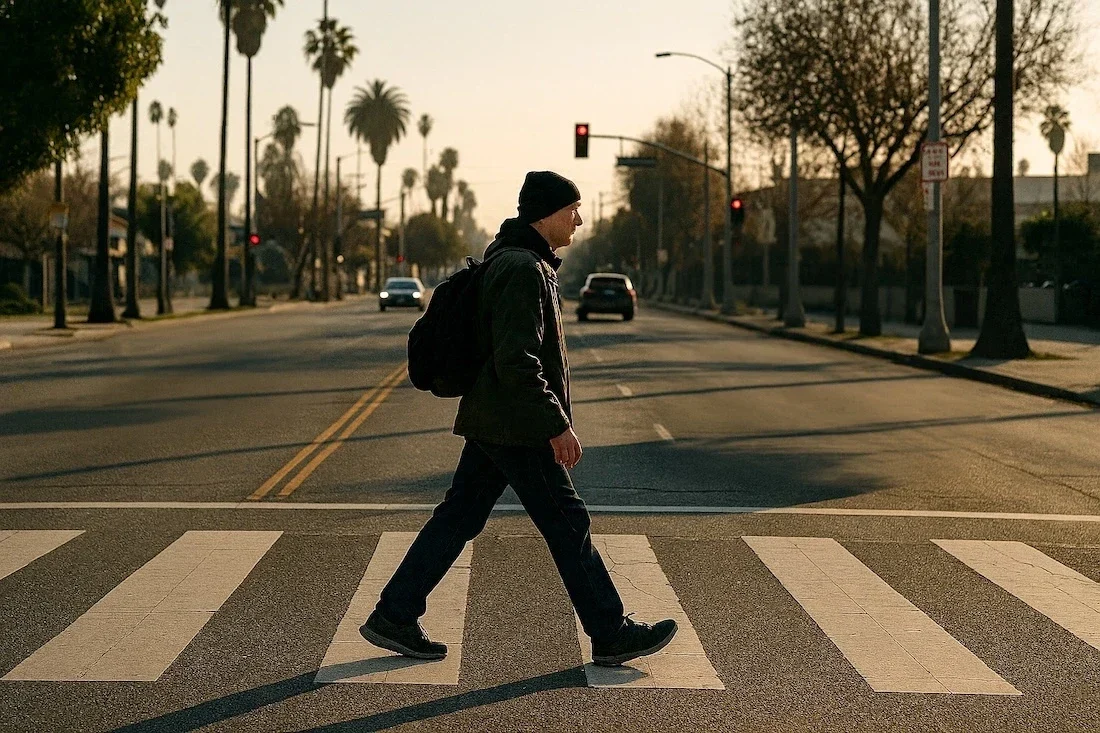
Why January Is One of the Most Dangerous Months for Pedestrians
When the holiday season ends, many people expect life to slow down. In reality, January often brings a sharp increase in pedestrian accidents across California. The shift from holiday congestion to normal routines creates a perfect storm of conditions that place pedestrians at greater risk. Drivers return to work, schools reopen, and daily commutes resume at full speed. At the same time, pedestrians are out walking to work, school, transit stops, and errands more frequently than during late December.
During the holidays, heavy traffic often forces drivers to move cautiously. In January, that congestion eases, and speeds increase. This change happens quickly, and many drivers fail to adjust their awareness. Pedestrians, however, remain vulnerable. The result is a rise in collisions at crosswalks, intersections, and busy corridors throughout the state.
California’s size and population magnify this risk. Urban areas, suburban neighborhoods, and even smaller cities see an increase in pedestrian injuries during the first weeks of the new year.
How Post Holiday Traffic Patterns Increase Pedestrian Risk
Traffic patterns change dramatically after the holidays. Roads that were packed with shoppers and travelers suddenly clear. Drivers feel less restricted and often accelerate without realizing how quickly pedestrian activity has returned to normal levels.
January traffic tends to move faster and more aggressively. Commuters who have been away from their routines are eager to make up for lost time. This impatience leads to rolling stops, late braking, and rushed turns. Pedestrians crossing legally are often caught off guard by drivers who underestimate how long it takes to stop or fail to yield.
Another factor is habit reset. During December, drivers may expect fewer pedestrians because many people are on vacation. In January, that expectation becomes dangerous. Pedestrians are back in full force, but driver awareness lags behind.
The Role of Darker Mornings and Evenings in January
January brings shorter daylight hours, and this has a major impact on pedestrian safety. Many people walk during early morning or evening hours when visibility is limited. Drivers commuting during dawn or dusk face glare, shadows, and low contrast conditions that make it harder to see someone crossing the street.
Pedestrians often wear darker clothing in winter, which further reduces visibility. Rain, fog, and overcast skies common in California during January can make crosswalk markings harder to see and lengthen stopping distances.
These environmental factors combine with faster traffic speeds to increase the likelihood of serious pedestrian injuries. Even careful drivers can fail to see someone until it is too late, especially when distractions are involved.
Common Locations for January Pedestrian Accidents in California
Pedestrian accidents in January tend to occur in predictable locations. Understanding where these crashes happen helps explain why the risk increases after the holidays.
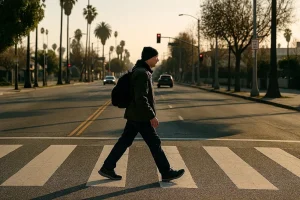
Crosswalks and intersections are among the most dangerous areas. Drivers making right or left turns often focus on traffic rather than pedestrians. In January, this behavior becomes more common as drivers rush through intersections.
School zones also see increased activity. Students return to school after winter break, and traffic patterns around campuses change quickly. Drivers who are not used to school schedules may overlook crossing guards or fail to slow down.
Public transit stops are another high risk area. Commuters walking to buses, trains, and light rail stations are often crossing busy streets during peak hours. Parking lots and shopping centers also remain dangerous as drivers focus on finding parking rather than watching for pedestrians.
Driver Behaviors That Lead to Pedestrian Injuries
Many pedestrian accidents are caused by preventable driver behaviors. In January, these behaviors become more pronounced due to stress, distraction, and overconfidence.
Failing to yield is one of the most common causes. Drivers often misjudge a pedestrian’s speed or assume they have the right of way. Distracted driving also plays a major role. Phones, navigation systems, and in car screens take attention away from the road at critical moments.
Speeding through intersections is another frequent issue. With less congestion, drivers feel comfortable accelerating, even in areas where pedestrians are present. Rolling stops at stop signs and crosswalks are especially dangerous because pedestrians expect vehicles to stop fully.
Impatience is a consistent theme. Drivers eager to get back into routine may take risks that they avoided during the holidays, and pedestrians pay the price.
Injuries Commonly Seen in Pedestrian Accidents
Pedestrian accidents often result in severe injuries because there is little protection between the person and the vehicle. Even low speed impacts can cause lasting harm.
Common injuries include head trauma and concussions, which may not be immediately apparent. Broken bones, particularly in the legs, arms, and hips, are frequent. Soft tissue injuries can lead to chronic pain and mobility limitations.
More serious cases involve spinal injuries, internal organ damage, and long term disability. Recovery from these injuries often requires extensive medical care, physical therapy, and time away from work.
The emotional impact should not be overlooked. Many pedestrians experience anxiety, fear of walking near traffic, or difficulty returning to normal routines after an accident.
Legal Challenges in Pedestrian Accident Claims
Pedestrian accident claims can be more complex than many people expect. Insurance companies often attempt to shift blame onto the pedestrian, even when the pedestrian was crossing legally.
Common disputes include arguments about right of way, visibility, and pedestrian behavior. Insurers may claim the pedestrian stepped into traffic unexpectedly or was not paying attention. Without proper evidence, these claims can reduce or eliminate compensation.
Another challenge is the lack of witnesses. Pedestrian accidents often happen quickly, and bystanders may leave the scene before giving statements. Surveillance footage or traffic cameras may exist, but they must be secured promptly.
Medical documentation also plays a critical role. Delayed treatment or gaps in care can give insurers an excuse to question the severity of injuries or their connection to the accident.
What Injured Pedestrians Should Do Immediately After an Accident
The steps taken after a pedestrian accident can significantly affect the outcome of a claim. Medical care should be the first priority. Even if injuries seem minor, evaluation helps identify hidden trauma and creates a medical record.
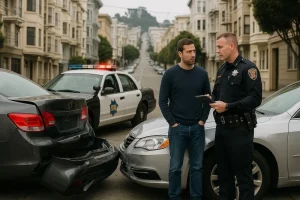
Reporting the accident to police is also essential. An official report documents the location, time, and circumstances of the collision. Pedestrians should gather as much information as possible, including driver details, witness contacts, and photos of the scene.
Avoiding discussions with the driver’s insurance company is important. Statements given early can be misinterpreted or used to minimize the claim. Protecting evidence and understanding your rights before engaging with insurers can make a substantial difference.
How Phoong Law Helps Injured Pedestrians Across California
Pedestrian accident cases require careful investigation and strong documentation. At Phoong Law, we examine every detail of the incident, from traffic patterns to lighting conditions and driver behavior.
Our team works quickly to secure surveillance footage, traffic camera recordings, and witness statements before they are lost. We analyze medical records and build a clear timeline that connects injuries to the accident.
We handle all communication with insurance companies and challenge attempts to blame pedestrians unfairly. When necessary, cases may involve testimony from a qualified expert witness to explain collision dynamics or injury impact. Our goal is to pursue full compensation for medical expenses, lost income, pain, and long term effects.
Final Advice: Pedestrian Safety and Protecting Your Rights in January
January may feel like a fresh start, but it is also a dangerous time for pedestrians in California. Faster traffic, reduced visibility, and distracted drivers create serious risks. Awareness and caution can help reduce accidents, but when a collision occurs, knowing your rights is critical.
If you were injured as a pedestrian, do not assume fault or delay taking action. Early medical care, proper documentation, and informed legal guidance can protect your future.
For help after a pedestrian accident, contact Phoong Law at (866) GOT-PAIN for a free consultation. Our team is committed to protecting pedestrians and holding negligent drivers accountable across California.
Disclaimer: This article is for informational purposes only and does not constitute legal advice. Always consult an attorney regarding your specific situation. Phoong Law serves clients across California.








 English
 Español de México