
 ES

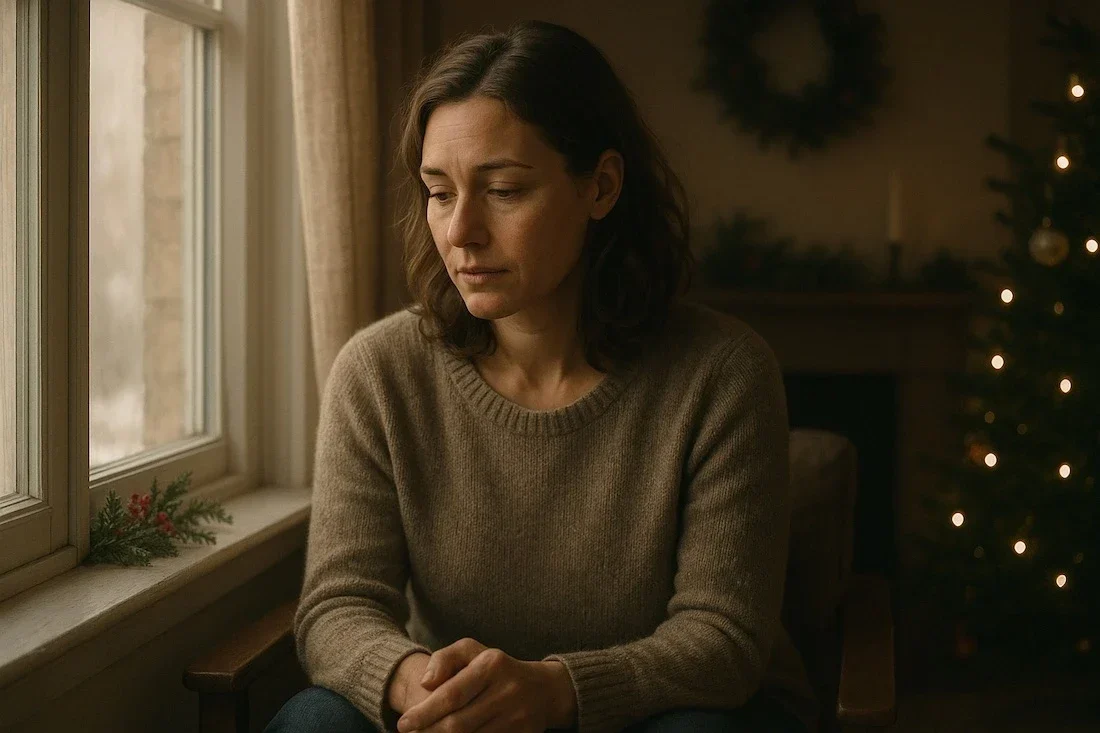
Why the Holidays Are Especially Difficult for Abuse Survivors
For many people, the holidays represent celebration, connection, and comfort. For survivors of abuse, the season often feels very different. December brings emotional intensity that can reopen old wounds and make past trauma feel closer than ever. The expectation to be joyful can feel overwhelming when the memories that surface during this time are painful, complicated, or tied to moments of harm.
Survivors may struggle quietly while others appear cheerful and relaxed. Family gatherings, traditions, and reminders of past experiences can create emotional strain. Even when life has moved forward, the holiday season has a way of bringing the past into sharp focus, often unexpectedly. Understanding this experience is important for survivors and their support systems, especially in California where many families gather, travel, and revisit old environments during the season.
Common Holiday Triggers That Resurface Trauma
Trauma triggers can appear in many forms, and the holidays are full of sensory, emotional, and situational cues that can activate memories. These moments can catch survivors off guard and make it difficult to remain grounded or present.
Common holiday related triggers include:
Family gatherings where survivors might see relatives connected to past abuse
Returning to childhood homes or locations tied to traumatic experiences
Holiday songs, scents, or decorations that bring back memories
Social pressure to reconnect with family even when those relationships are harmful
Increased alcohol use in social settings
Stories, movies, and conversations about family life or tradition
These triggers do not always present themselves as obvious or dramatic. Sometimes a simple phrase, holiday routine, or familiar smell can cause a flood of emotions. Survivors often struggle to understand why these reactions feel stronger in December, even if the trauma occurred many years ago.
Why These Triggers Feel Stronger in December
Triggers intensify during the holidays for several reasons. Throughout most of the year, routines and responsibilities provide structure and distraction. In December, that structure shifts. Schedules soften, workplaces quiet down, and reflection increases. This change creates space for memories and emotions that survivors may keep suppressed throughout the year.
The end of the year also brings symbolic weight. People often think about their past, their relationships, and what they hope to leave behind. This reflection can feel productive for some, but for survivors it may reopen unresolved pain.
Loneliness also plays a role. Even survivors who have built safe, healthy lives may feel isolated when surrounded by messages of family connection and celebration. The gap between expectation and reality can intensify sadness or anxiety, making old trauma feel closer than it really is.
How Trauma Impacts the Mind and Body During the Holidays
Trauma affects the brain and body in ways that can resurface unexpectedly. When triggers appear, the nervous system may shift into a fight or flight response, even when the person is physically safe. This response can bring on symptoms such as:
Rapid heartbeat
Sweating or trembling
Difficulty breathing
Sudden fear or panic
Anxiety that rises without a clear cause
Difficulty concentrating
Sleep disturbances
Emotional flashbacks
These reactions are not weaknesses. They are the body’s survival mechanisms activating in an attempt to protect the survivor from perceived danger. During the holidays, when triggers are more frequent and emotions are more intense, these symptoms may become more noticeable.
The Hidden Struggle: Survivors Who Feel Alone During the Holidays
The holidays can create an emotional conflict for survivors. On the outside, they may appear calm and participate in celebrations. Inside, they may feel overwhelmed, distant, or disconnected. Many survivors do not want to burden others with their feelings during a festive season, so they keep their struggles private.
This silence can make the experience even harder. Survivors may feel guilty for not feeling joyful or may question why past memories still affect them. These feelings can lead to withdrawal, emotional numbness, or a sense of isolation. Even surrounded by family, a survivor may feel deeply alone.
Recognizing this internal conflict is essential. Survivors deserve understanding and support, especially during a season that often magnifies the emotional challenges tied to past abuse.
When Holiday Triggers Reveal the Need for Support
For some survivors, holiday triggers become a signal that they may need additional emotional or professional support. Knowing when to reach out can make a meaningful difference in healing and stability.
Signs that support may be needed include:
Intense anxiety that interferes with daily life
Trouble sleeping or frequent nightmares
Avoiding gatherings or withdrawing from loved ones
Feeling overwhelmed or unable to cope
Panic attacks or emotional flashbacks
Sudden changes in mood or appetite
Reaching out to a therapist, counselor, or trusted support person can provide relief and connection. Healing is not a linear process, and it is normal for trauma to resurface at different stages of life, especially during emotionally heavy times like December.
How Civil Claims Help Survivors Seek Accountability
For some survivors, the holiday season may also bring clarity about seeking justice. When old memories return, survivors sometimes realize they are ready to take legal action against an abuser or an institution that failed to protect them.
California offers strong legal pathways for survivors to file civil claims even when the abuse occurred long ago. Civil cases can help survivors receive compensation for:
Emotional suffering
Therapy and long term counseling
Lost income
Medical costs
Long term effects of trauma
Civil claims also allow survivors to hold individuals or institutions accountable for the harm caused. Survivors often describe civil action as a step toward closure, empowerment, and acknowledgment of their experiences.
How Trauma Knowledge Supports Delayed Reporting
Many survivors delay reporting abuse for years or decades, and this is a well understood effect of trauma. California’s legal system acknowledges this reality by allowing extended time frames for civil claims. The discovery rule allows survivors to file within a period after recognizing that their emotional or psychological harm was caused by the abuse, even if that realization comes much later in life.
Phoong Law approaches delayed reporting cases with empathy and understanding. Survivors who come forward later in life often worry that they waited too long, but the law does not punish trauma responses. Instead, it recognizes that healing takes time, and justice should still be available.
How Phoong Law Supports Survivors With Compassion and Care
Survivors who choose to pursue a civil claim need legal support that is grounded in respect, patience, and trauma informed practices. At Phoong Law, our team provides a safe, confidential environment for survivors to share their experiences and explore their options.
Our attorneys understand the emotional complexity involved in abuse claims, especially when memories resurface during the holidays. We listen carefully, provide clear guidance, and handle every step of the legal process with sensitivity. Survivors are never rushed, pressured, or judged. Instead, we focus on building a path forward that aligns with each survivor’s comfort level and goals.
Final Advice: You Are Not Alone This Holiday Season
If the holidays bring back painful memories, it does not mean you are weak or failing. It means you are human, and your experiences matter. You deserve understanding, support, and protection. Whether you choose to seek emotional help, legal guidance, or simply need someone to listen, resources are available to you.
If you want to explore your civil rights as a survivor or ask confidential questions, contact Phoong Law at (866) GOT-PAIN. Our team is here to support you with compassion, respect, and dedicated legal guidance. You are not alone, and your voice deserves to be heard.
This article is for informational purposes only and does not constitute legal advice. Always consult an attorney regarding your specific situation. Phoong Law serves clients across California.

















 English
 Español de México