
 ES

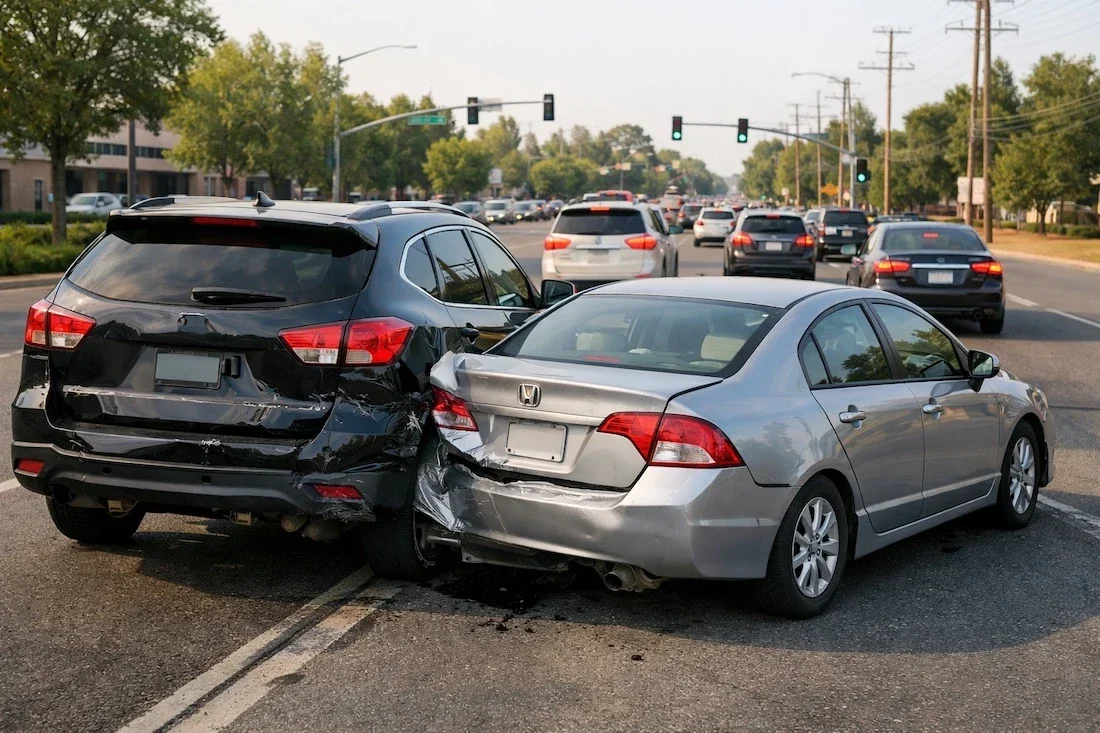
TL;DR: Here’s the Quick Take for Bay Area Drivers
- Rear-end collisions are one of the most common crashes across the Bay Area
- Most occur in stop and go traffic on familiar roads and freeways
- Distracted driving and following too closely are the leading causes
- California law usually places fault on the rear driver
- Even low speed impacts can cause serious injuries
- Medical documentation and early legal guidance matter
A Common Crash With Serious Consequences
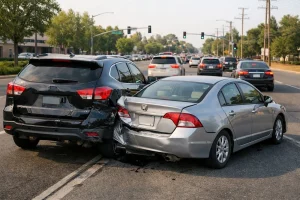
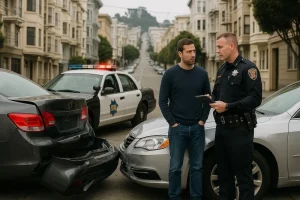
Rear-end collisions happen every day throughout the Bay Area. They occur at traffic lights, on congested surface streets, near shopping centers, and along heavily traveled freeways. Because they are so common, many drivers assume these crashes are minor and move on without seeking medical care or legal guidance.
That assumption can be costly. Rear-end accidents frequently cause injuries that develop slowly and linger for months or longer. Neck and back injuries, headaches, nerve pain, and mobility issues are common. Insurance companies are well aware of this pattern, which is why they often attempt to minimize rear-end injury claims early.
Understanding why rear-end collisions are so common in the Bay Area, who is usually at fault, and what steps protect you after a crash can make a significant difference in both recovery and compensation.
Why Rear-End Collisions Are So Common in the Bay Area
The Bay Area has some of the most complex traffic conditions in California. Dense populations, long commutes, and constant construction contribute to frequent stop and go driving. Several regional factors increase the likelihood of rear-end crashes.
Busy arterial roads such as Geary Boulevard, El Camino Real, Mission Street, and International Boulevard carry heavy daily traffic with frequent stops.
Freeway congestion on routes like I-80, I-280, US-101, I-880, and CA-24 creates unpredictable braking patterns, especially near on ramps and interchanges.
Shopping districts, transit hubs, and mixed use neighborhoods cause abrupt stops as drivers slow for pedestrians, delivery vehicles, and parking access.
Familiar routes lull drivers into complacency. People commuting the same roads daily may pay less attention and react more slowly.
Weather conditions such as rain, fog, and low light reduce visibility and increase stopping distances, even at moderate speeds.
These factors combine to make rear-end crashes a daily reality across the Bay Area.
The Most Common Causes of Rear-End Crashes
Rear-end collisions are usually preventable and often result from driver behavior rather than road design alone.
Distracted driving remains the leading cause. Looking at a phone, adjusting navigation, eating, or momentary inattention can be enough to cause a collision.
Following too closely leaves little room to react when traffic slows suddenly. Tailgating is especially dangerous in congested urban traffic.
Speeding for conditions is another major factor. Even driving below the posted speed limit can be unsafe in dense traffic.
Sudden stops are common near intersections, crosswalks, transit stops, and school zones.
Weather related conditions increase braking distance and reduce reaction time, making close following especially risky.
Despite these causes, insurance companies often attempt to shift blame, making fault determination an important part of any claim.
Who Is Usually at Fault in a Rear-End Accident
Under California law, there is a general presumption that the rear driver is at fault in a rear-end collision. Drivers are expected to maintain a safe following distance and remain attentive.
Insurance companies may still attempt to argue shared fault by claiming the front driver stopped suddenly or had malfunctioning brake lights. These defenses are common but often unsuccessful when evidence is properly documented.
California follows a comparative negligence system, meaning compensation can be reduced if fault is shared. Strong claims focus on showing that the rear driver failed to operate their vehicle safely given traffic and road conditions.
Injuries Commonly Caused by Rear-End Collisions
Rear-end crashes often happen at lower speeds, but the injuries can be significant.
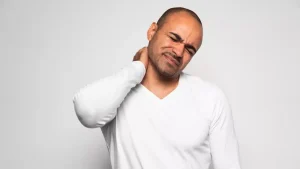
Whiplash and neck strain are among the most common injuries due to rapid forward and backward motion.
Back and spinal injuries such as herniated discs and nerve compression can result from impact forces.
Head injuries and concussions can occur even without direct head contact.
Shoulder, knee, and joint injuries often happen when occupants brace for impact.
Soft tissue injuries may worsen days after the crash and lead to chronic pain.
Because many of these injuries do not appear immediately, early medical evaluation is critical.
Why Rear-End Accidents Are Often Underestimated
Minimal vehicle damage often leads insurers to downplay injuries. This assumption is misleading. The force transmitted to the body during a rear-end collision does not correlate with visible vehicle damage.
Low speed crashes can still cause serious injury to muscles, discs, and nerves. Delaying medical care allows insurers to argue that injuries were unrelated or insignificant.
Prompt medical documentation protects both health and legal rights.
What to Do After a Rear-End Collision in the Bay Area
Taking the right steps after a crash helps preserve evidence and protect your claim.
- Ensure safety and move to a safe location if possible.
- Call law enforcement to create an official report.
- Document the scene with photos of vehicles, traffic, and road conditions.
- Exchange information with the other driver.
- Avoid discussing fault or apologizing.
- Seek medical care even if symptoms seem mild.
- Consult a personal injury attorney early to avoid costly mistakes.
How Phoong Law Helps Rear-End Accident Victims
Phoong Law represents injured drivers throughout the Bay Area who have been hurt in rear-end collisions. These cases may appear straightforward, but insurers often challenge them aggressively.
Phoong Law helps by establishing fault using traffic patterns and crash evidence, gathering medical documentation and professional evaluations, managing insurance communications, protecting clients from unfair blame, and pursuing compensation for medical expenses, lost income, and pain.
By handling the legal process, Phoong Law allows clients to focus on recovery while their case is built carefully and correctly.
Bay Area Locations Where Rear-End Collisions Are More Likely
Certain areas experience higher rates of rear-end accidents due to congestion and traffic flow.
- Urban corridors during commute hours.
- Freeway on ramps and off ramps.
- Transit heavy neighborhoods.
School zones during peak hours. - Retail and mixed-use access roads.
Even attentive drivers can be injured in these environments.
When to Contact Phoong Law
You should consider legal guidance if you were injured in a rear-end collision, symptoms appeared days later, fault is disputed, an insurer pressures you to settle quickly, or you are unsure what your claim is worth.
Phoong Law offers free consultations and does not charge fees unless compensation is recovered.
If you were injured in a rear-end crash in the Bay Area, call (866) GOT-PAIN to speak with Phoong Law and protect your rights.
Do Not Ignore a Rear-End Crash
Rear-end collisions may be common, but their consequences can be life changing. Early medical care, careful documentation, and experienced legal guidance make a meaningful difference.
If another driver’s negligence caused your injuries, you deserve accountability and fair compensation. Phoong Law is here to help Bay Area drivers move forward with clarity, confidence, and strong legal support.
Disclaimer: This blog post is for informational purposes only and does not constitute legal advice. Reading this article does not create an attorney-client relationship. For specific legal guidance regarding your accident or injuries, contact Phoong Law directly.











 English
 Español de México