
 ES
ES


TL;DR
Yes, you can often recover damages for a burn injury in Houston, Texas if someone else’s negligence caused it. Under Texas law you may claim economic losses like medical bills and lost wages, plus non-economic harm like disfigurement and pain. You generally have two years from the injury date to file a lawsuit, and your recovery can be reduced if you share fault.
Common Causes of Burn Injuries in Houston
Burn injuries in Houston most often result from vehicle crashes, fires in rental housing, faulty electrical systems, chemical exposure, and dangerous conditions on someone else’s property. When another party’s carelessness sets these events in motion, the injured person may have a valid claim.
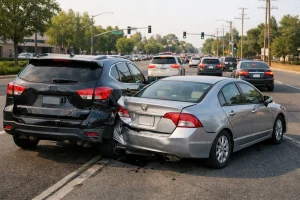
Car and truck accidents are a frequent source of serious burns. A high speed collision can rupture a fuel line, ignite spilled gasoline, or cause an engine fire that traps occupants inside. Large commercial trucks often carry flammable cargo, which raises the danger significantly when a wreck occurs on a Houston highway.
Apartment and residential fires are another common cause. Landlords in Houston have a duty to maintain reasonably safe premises. When a property owner ignores frayed wiring, disables smoke detectors, blocks fire exits, or fails to repair a known hazard, tenants and guests can suffer devastating burns.
Electrical, Chemical, and Premises Hazards
Defective wiring and overloaded electrical panels can spark fires or cause electrocution burns. In older buildings, deferred maintenance is often to blame. Chemical burns can happen when caustic substances are stored improperly or when a business fails to warn people about hazardous materials on site.
Unsafe premises conditions round out the list. Scalding water from a poorly maintained heating system, an unguarded industrial surface, or a fire caused by a negligent contractor can all lead to burn injuries. The common thread is that a person or company failed to act with reasonable care, and someone got hurt as a result.
Types of Damages You Can Recover
In Houston, Texas, burn injury victims can generally recover both economic and non-economic damages. Economic damages cover measurable financial losses, while non-economic damages compensate for the human toll of the injury.
Economic damages typically include past and future medical bills, the cost of hospitalization and surgery, rehabilitation, medication, lost wages, and reduced earning capacity if you cannot return to the same work. Burn treatment is expensive and often ongoing, so these numbers can grow substantially over time.
Non-economic damages address harm that does not come with a receipt. Under Texas law, this can include physical pain and suffering, mental anguish, disfigurement, and scarring. Severe burns frequently leave permanent scars and visible changes to the face or body, and Texas allows compensation for that disfigurement and the emotional impact it carries.
Scarring, Disfigurement, and Quality of Life
Burn injuries are unique because the physical evidence often remains for life. A jury or insurer may consider how visible scarring affects a person’s confidence, relationships, and daily functioning. Loss of enjoyment of life and the mental anguish of living with a permanent injury are recognized categories of harm in Texas personal injury cases.
Proving Negligence and Liability
To recover damages for a burn injury in Houston, you must prove that another party was negligent and that their negligence caused your harm. This generally means showing four things: a duty of care, a breach of that duty, a direct link between the breach and the injury, and actual damages.
The responsible party depends on how the burn happened. In a car or truck crash, it may be another driver or a trucking company. In an apartment fire, it may be a landlord or property management company that ignored a known hazard. On commercial property, it may be a business owner who failed to keep the premises reasonably safe.
Building the Evidence
Strong burn injury claims rest on solid evidence. Useful proof can include fire department and incident reports, photographs of the scene and the hazard, maintenance and inspection records, witness statements, and medical documentation connecting the burns to the event. Expert testimony from fire investigators or medical specialists often helps establish both cause and the full extent of the injury.
Acting quickly matters because evidence disappears. Burned materials get discarded, surveillance footage gets overwritten, and memories fade. Preserving the scene and gathering records early can make the difference between a provable claim and a weak one.
Texas Comparative Fault and Its Impact
Texas follows a modified comparative negligence rule, and it can reduce or completely eliminate your recovery. Under this rule, your compensation is reduced by your percentage of fault, and if you are found more than 50 percent responsible, you cannot recover anything.
Here is how it works in practice. If a jury decides your total damages are 100,000 dollars but finds you 20 percent at fault, your recovery is reduced by that 20 percent, leaving 80,000 dollars. If the jury instead finds you 51 percent or more at fault, Texas law bars any recovery.
Why Insurers Raise Fault
Because of this rule, insurance companies frequently try to shift blame onto the injured person. In a burn case, an insurer might argue that you ignored a warning, entered a restricted area, or failed to react safely. Countering these arguments with clear evidence is essential to protecting the full value of your claim.
The Statute of Limitations for Burn Claims
In Houston, Texas, you generally have two years from the date of the injury to file a personal injury lawsuit for a burn injury. If you miss this deadline, the court will likely dismiss your case and you lose the right to recover, no matter how strong the facts are.
There are limited situations that can change the timeline, such as claims involving a minor or cases where the injury was not immediately discovered. These exceptions are narrow and fact specific, so you should never assume they apply without confirming.
Acting well before the deadline is wise for practical reasons too. Investigating the cause, identifying every responsible party, and preserving evidence all take time. Waiting until the last moment can weaken an otherwise strong claim.
How the Long-Term Costs of Burn Injuries Are Valued
Serious burns often require care that lasts years or even a lifetime, and a full claim must account for those future costs, not just today’s bills. Valuing a burn injury case means looking forward, not only backward.
Future medical needs can include multiple reconstructive surgeries, skin grafts, physical and occupational therapy, and treatment for infections or complications. Many burn survivors also need mental health care to cope with trauma, anxiety, and the emotional weight of permanent scarring.
Life Care Planning
To estimate these long-term costs accurately, attorneys often work with medical experts and life care planners. These professionals project the frequency and cost of future treatment, adaptive equipment, and ongoing support. Economists may calculate lost future earning capacity if the injury prevents a return to prior work.
Capturing the full future picture is critical because a settlement is usually final. Once you accept it, you cannot go back for more if your condition worsens. That is why a careful, forward looking valuation protects you from being undercompensated.
How a Houston Burn Injury Attorney Can Help
A Houston burn injury attorney can strengthen your claim by investigating the cause, identifying every liable party, and presenting evidence that ties your injury to another’s negligence. Legal representation also levels the field against insurers who are focused on paying as little as possible.
An experienced lawyer handles the negotiation, documents your economic and non-economic damages, and pushes back when an insurer tries to blame you under the comparative fault rule. If a fair settlement is not offered, an attorney can file suit before the two year deadline and take your case to trial.
Phoong Law is a trusted Houston resource for people dealing with burn injuries and other serious harm caused by someone else’s negligence. Having a knowledgeable advocate can help you focus on healing while the legal details are handled for you.
Frequently Asked Questions
Can I recover damages for a burn injury if I was partly at fault?
Yes, as long as you are 50 percent or less at fault under Texas’s modified comparative negligence rule. Your recovery is reduced by your percentage of fault, and if you are found more than 50 percent responsible, you cannot recover.
How long do I have to file a burn injury lawsuit in Houston?
You generally have two years from the date of the injury to file a personal injury lawsuit in Texas. Missing this deadline usually means losing the right to recover, so acting promptly is important.
What damages are available for a burn injury in Texas?
You may recover economic damages like medical bills and lost wages, plus non-economic damages such as pain and suffering, mental anguish, disfigurement, and scarring. Future costs like additional surgeries and rehabilitation can also be included.
Who can be held responsible for a burn injury?
Liability depends on the cause and can fall on a negligent driver, a trucking company, a landlord, or a property or business owner who failed to keep the premises reasonably safe. Identifying every responsible party is key to full compensation.
The information in this article is for general educational purposes only and is not legal advice. Every case is different. Contact us for a free consultation about your specific situation.



















 English
  Español de México